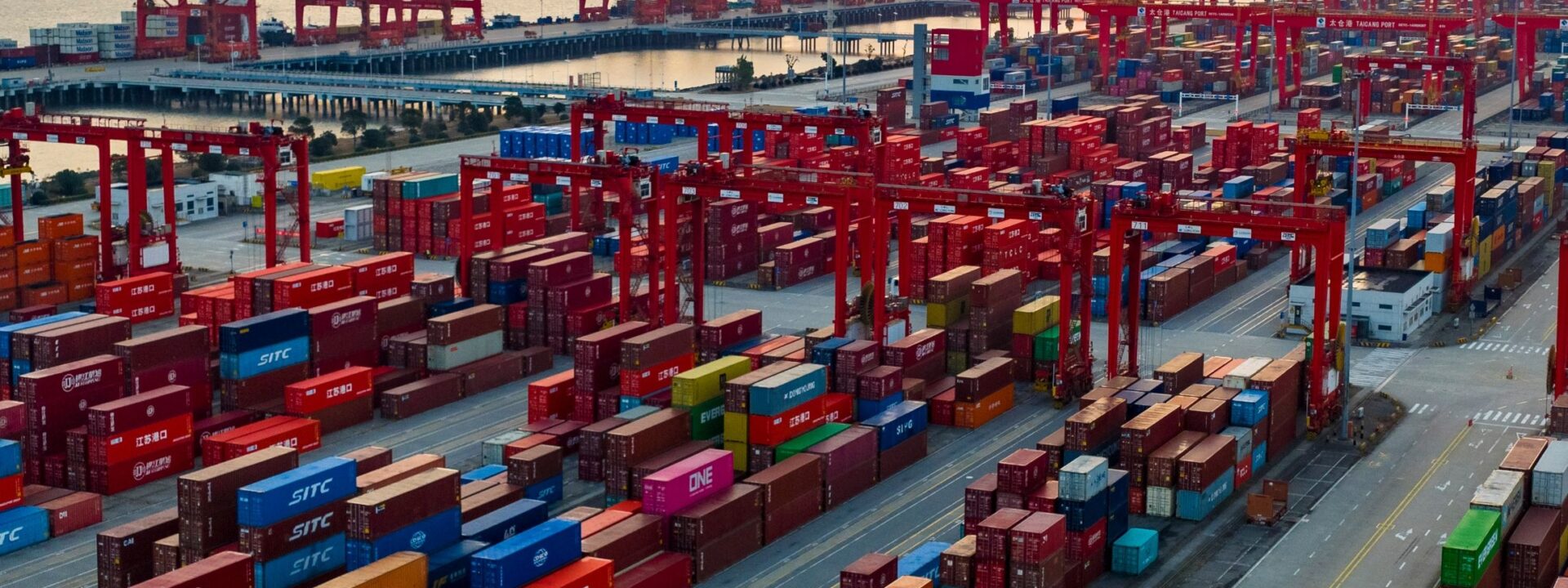
Unpredictability defined fashion’s supply chains in 2025, and the coming year looks set to bring similar turbulence. The key drivers of last year’s disruptions—climate events like floods and droughts, unpredictable tariffs under President Trump, and a host of looming regulations—are expected to continue reshaping the industry’s sourcing map down to the raw material level.
Apparel experts are entering the new year with cautious optimism, urging fashion businesses to build resilience by shifting from short-term reactions to long-term preparation and stronger partnerships. This means treating sustainability as a core business strategy, not just an occasional focus.
“Given the current state of the world, a prudent approach is to expect the unexpected,” says Ranjan Mahtani, founder and chairman of Epic Group, a Hong Kong-based manufacturer with facilities across Bangladesh, India, Ethiopia, Jordan, and Sri Lanka.
Full Tariff Impacts Are Only Just Emerging
Sweeping tariffs imposed by the Trump administration were a major story last year, affecting dozens of countries, including key apparel sourcing regions like India, China, Pakistan, and Vietnam. In a survey by supply chain platform Inspectorio, 95% of executives cited tariffs as the biggest disruptor of 2025, leading to greater supply chain diversification, production moves to lower-risk regions, and renegotiations with existing suppliers.
“In 2025, tariffs acted less like a static tax and more like a strategic variable that reshaped ordering patterns, inventory decisions, supplier allocation, and nearshoring conversations—because the risk of change became as important as the rate itself,” says Mark Burstein, Senior Vice President for the Americas at Inspectorio, who also sits on the board of the American Apparel and Footwear Association. “In 2026, even if specific rates shift, tariff-driven sourcing strategy will likely remain a core agenda item.”
Historically, sourcing decisions were financially driven, with brands seeking the most cost-effective producers to protect margins. Now, reliability is the top priority. “Countries like Indonesia and Vietnam, where tariffs have remained relatively stable since April 2025, are seen as safer sourcing options,” says Bernhard Riegler, Vice President of Marketing at Sappi, a leading wood pulp producer in the man-made cellulosic fiber supply chain. “Stability, more than cost, is becoming the decisive factor.”
Riegler believes the industry is only beginning to feel the effects of 2025’s “seesaw of tariff changes,” and increasing geopolitical tensions could worsen this instability in 2026. “Markets adjust to certainty, but they struggle when final landed costs change from month to month,” he says. “This uncertainty ripples through the entire value chain, from retailers hesitant to make early purchase commitments, to garment makers, fabric producers, spinners, and fiber suppliers unsure what to produce, when, or how much seasonal stock to hold to ensure supply.”
Climate Chaos and the Decline of Worker Rights
The World Meteorological Organization’s State of Climate Update, released ahead of COP30, listed 2025 as one of the hottest years on record. Extreme weather severely impacted fashion’s producing regions—from the worst flooding in 30 years devastating cotton crops in India and Pakistan, to air pollution and extreme heat making garment factories increasingly dangerous for workers.
According to reports from Climate Rights International, workers in Karachi, Pakistan, and Dhaka, Bangladesh lack basic necessities like clean water, adequate ventilation, and safe working conditions.To withstand increasingly common extreme temperatures, factories need better ventilation, hydration, and adequate breaks. “Extreme heat is stressing workers, which will require factories to upgrade their temperature management technologies,” says Epic Group’s Mahtani. “Pressure to do this is expected from some brands as early as 2026 and will continue to grow as the planet warms.”
While some brands are pushing suppliers to implement heat-adaptation measures, many are also looking to avoid high-risk regions altogether. “More companies are treating climate as a sourcing and logistics risk, not just a sustainability issue,” says Inspectorio’s Burstein. “The practical changes we hear about most often include spreading key production across more regions to avoid concentration in one area, allowing more flexibility in seasonal timing and backup capacity, and rating suppliers based on risk, where ‘resilient operations’ becomes part of the scorecard.”
This may give brands more flexibility, but what about the roughly 70 million workers who are the most vital yet vulnerable part of these increasingly unstable supply chains? Climate events force brands to make urgent order changes, like switching suppliers, which can disrupt workers’ incomes through fluctuating workloads. This may be one reason informal work is rising. Garment production and agriculture already have high rates of informality due to subcontracting and home-based work, but according to Pakistani trade unionist Zehra Khan, it’s becoming more common in factories too.
“Previously, factories were considered part of the formal sector because they had laws and workers could use grievance mechanisms,” says Khan. “But now most factories in Pakistan are hiring workers through third-party contracts. This means workers don’t have a direct relationship with the employer.” Khan says up to 95% of garment workers in Pakistan lack formal appointment letters. Without them, workers can’t unionize and have little protection or access to social security.
Could upcoming laws drive stronger protections?
Could incoming due diligence laws, like the EU’s Corporate Sustainability Due Diligence Directive (CSDDD), improve protections for these workers? “European regulations will require brands to understand and help minimize how extreme climate events impact apparel supply chains, which will affect sourcing strategies,” says Mahtani. “Failing to address the impact on workers’ health and well-being will expose brands to legal risk. Similar approaches haven’t yet reached most US brands, but they likely won’t be far behind.”
The European Commission’s 2025 Omnibus Package tried to simplify a range of complex laws covering everything from forced labor to greenwashing. The result was seen by many in the industry as a weakening of once-ambitious rules. Others viewed it as a necessary adjustment to help businesses through the transition. Either way, experts say fashion brands should not slow down their efforts to prepare for compliance in 2026. “EU sustainability reporting and due diligence timelines are shifting,””The trend is not disappearing,” says Burstein. “While the EU has delayed parts of the Corporate Sustainability Reporting Directive and the timing of the CSDDD, the overall direction is still toward greater supply chain transparency and controls.”
Over the past year, AI-driven traceability technology has become a crucial tool for fashion companies navigating these requirements. “From early 2025 to now, we’ve seen significant progress in how retailers are adopting AI and piloting various initiatives within their supply chains,” says Jess Dankert, vice president of supply chain at the Retail Industry Leaders Association, whose members include brands like H&M, Chanel, Lululemon, and Nike. “It ultimately comes down to technology enabling more responsive and intelligent supply chains. AI offers great potential to process vast amounts of data, leading to smarter, faster, and better decision-making.”
This shift is set to continue as companies refine their use of AI and traceability tools to tackle ongoing supply chain issues, collect compliance data, and enhance visibility. “Traceability will evolve from simply reporting for compliance to actively managing operations,” notes Burstein. “Companies investing in these platforms aim to quickly answer critical questions: What’s our risk exposure? Which purchase orders are affected? Can we verify origin? Can we change materials or suppliers without violating compliance rules?”
Looking ahead to 2026 with cautious optimism
Experts interviewed for this article express varying levels of optimism about the state of fashion supply chains in 2026. Adaptability, collaboration, and strategic investment will distinguish companies that merely cope with ongoing unpredictability from those that thrive. “The uncertainty that defined 2025 will persist into 2026, but the value chain is resilient and already adapting,” says Sappi’s Riegler. “That adaptation, in fact, presents an opportunity.”
To build more agile and resilient supply chains capable of weathering any disruption, fashion brands should invest in stronger supplier partnerships, which also benefits workers. “Brands and suppliers that invest together, move in sync, and share data will outperform in 2026,” says Mahtani. “For forward-thinking suppliers, there is tremendous opportunity to create an agile supply chain with global alternatives. While challenges will remain, companies that continue to push themselves and evolve have reason to stay optimistic.”
Frequently Asked Questions
FAQs The Forces Shaping Fashions Supply Chains in 2026
BeginnerLevel Questions
Q What exactly is a fashion supply chain
A Its the entire journey a piece of clothing takes from designing the idea and sourcing materials to manufacturing shipping and finally selling it in a store or online
Q Why is everyone talking about fashion supply chains changing by 2026
A Because the industry is under huge pressure to become faster more transparent and more environmentally friendly New laws customer demands and technology are forcing a major overhaul
Q Whats the biggest force for change right now
A Sustainability and new regulations Governments are starting to pass strict laws that hold brands legally responsible for environmental and labor issues in their factories even those far away
Q What does supply chain transparency mean
A It means a brand can track and share exactly where its materials come from who made its clothes and under what conditions Its moving from a vague Made in Country X to knowing the specific factory and farm
Q How will this affect the price of my clothes
A In the short term making supply chains more ethical and sustainable often costs more which could lead to slightly higher prices In the long term efficiency from new technology might help balance some of those costs
Advanced Practical Questions
Q Beyond sustainability what other key forces are at play
A Three other major forces are
1 Geopolitical Shifting Friendshoring Brands are moving production out of single regions to a mix of countries closer to home or in politically allied nations to reduce risk
2 Advanced Technology Adoption Using AI for demand forecasting blockchain for tracking materials and automation in factories to be more efficient and responsive
3 The Demand for HyperPersonalization Speed Consumers still want trends quickly pushing for agile smallbatch production and even madetoorder models
Q What is nearshoring or friendshoring and is it really happening
A Yes its a major trend Nearshoring means producing clothes closer to where theyre sold eg a US brand using factories in Mexico or