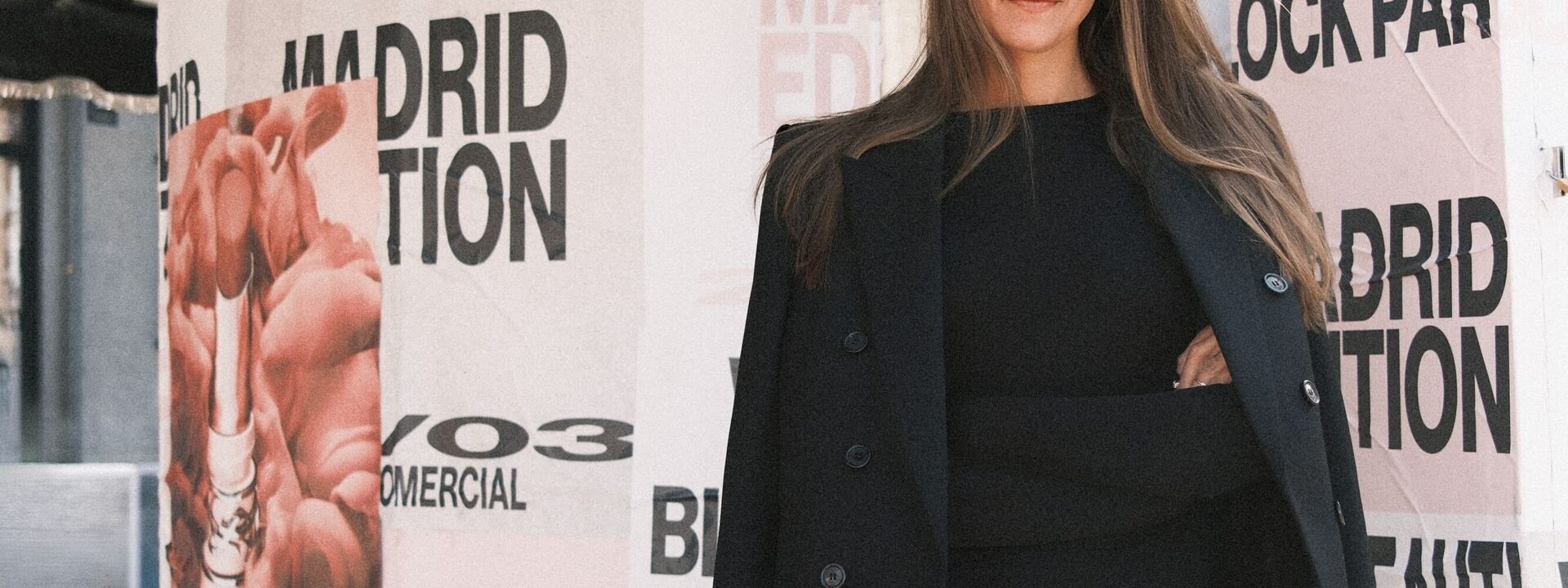
In just a few hours, Madrid’s historic Café Comercial will be filled with content creators, micro-influencers, and trendsetters attending the first in a series of YSL Beauty events designed like block parties. Unlike a typical brand launch, Friday’s event starts at 4 p.m. and ends at 10 p.m.—early by most standards, especially in Spain.
“We’re seeing a big shift in how young people socialize and connect,” says global communications and image director Mimmi Musiala, pointing to a rise in sober-curious, community-focused events that prioritize “cultural credibility” and “emotional connection” over follower counts and traditional photo opportunities.
This shift has become more noticeable over the past five or six years, and the data supports it. According to TikTok’s 2024 What’s Next report, content featuring “daytime parties” grew by 2,000% in the previous 18 months. Meanwhile, searches for “coffee shop parties” increased 480% year-over-year, per Pinterest’s 2024 trend report. As for the move toward wellness-aligned events, Musiala cites Global Web Index’s 2024 finding that one in two Gen Z consumers now prefer daytime or sober-curious events over typical nightlife.
But the rise of “soft clubbing” doesn’t mean events are disappearing—far from it. Participatory and authentic events clearly play a major role in building brand loyalty, even if they end before dark. Musiala references Eventbrite’s 2024 Consumer Trends report, which found that one in three consumers “feel closer to a brand after attending a cultural event.” Similarly, TikTok Business’s Gen Z Brand Discovery report states that 80% of Gen Z consumers discover brands through events, creators, and cultural moments.
In this spirit, the block party serves as a flexible framework, adaptable to any location with less focus on expensive decor and more on culturally integrated details. In Madrid, that includes vending machines featuring the new Loveshine Candy Glaze Lovenude Lip Blusher, a churros truck, and a traditional magazine kiosk covered in YSL Beauty posters outside the venue. In Ireland, Musiala explains, it might mean hosting a beauty launch in a pub; in London, a laundromat; in Shanghai, a karaoke bar.
The goal? To spark conversation and build anticipation for the next block party, not just push product placement. “You want to be part of it. You want to be in it. You feel like it’s a movement that’s happening,” Musiala says. “And you don’t want to miss it.”
When evaluating the event’s success, Musiala’s team won’t just track traditional metrics like impressions, brand mentions, reach, and press coverage—they’ll also consider the quality of feedback and discussion. “The way people talk about the event is super important,” she says. “The point isn’t to do what we and many other brands did in the past, which was to spend heavily and take over a space until it’s unrecognizable.” Unlike millennials—who popularized Instagrammable uniformity—Gen Z craves uniqueness, something a hyper-local event delivers better than the standard luxury brand pop-up.
To that end, YSL Beauty has relaxed the guest list, allowing some attendees to bring up to 10 guests in hopes they’ll come, create content, and genuinely socialize. Local DJs will perform, and the venue’s regulars—older customers unrelated to the beauty world—will also be there, sipping coffee as the event unfolds.
“Gen Z may be the most online generation in history, but that’s exactly why physical experiences matter so much to them. When brands create environments…””Events that feel culturally authentic and genuinely social, rather than staged purely for content, are where people stay, participate, and engage,” says Cora Delaney, founder of youth talent and creative agency EYC Ltd. “Traditional luxury beauty events have often centered on exclusivity and controlled guest lists. Formats that allow guests to bring friends, move freely, and engage with something embedded in local culture reflect how younger audiences socialize today.”
This approach is exemplified inside Madrid’s Café Comercial, where YSL Beauty will host a series of activations, each designed like a block party.
Annie Corser, Stylus’s senior trends editor for pop culture and media, agrees, noting that Gen Z does not respond to traditional luxury hallmarks like older generations. She points to “online movements pushing to remove gatekeeping from fashion and beauty,” or deinfluencers, as examples. “I think these indicate a distaste for events or brands too concerned with VIP credentials. ‘Community’ has become an elastic term, but it does mean something aspirational to Gen Z.”
The Community Conundrum
Part of the rationale for a more regionalized, site-specific strategy lies in the unique makeup of Gen Z. Above all, it’s the first digitally native generation, a trait its members both embody and challenge. A 2025 Euromonitor survey found that 35% of global Gen Z respondents believe internet use contributes to their daily stress, yet 50% claim they’d be lost without it.
Euromonitor’s global insight manager Marguerite Le Rolland suggests one effect is that Gen Z, as consumers, expects highly personalized real-life experiences on par with their online ones. Online, Gen Z shares an unprecedented amount of information to build connections, while their data is used to target them across various touchpoints. For this reason, shared and interactive physical experiences are a priority, with events acting like exchanges. “Cultivating self-expression through creativity and encouraging belonging are key to building Gen Z’s trust in a brand,” says Le Rolland. “Offering them community-driven engagements in real life increasingly matters to them.”
Le Rolland also highlights the impact of the cost-of-living crisis and inflation on Gen Z. Euromonitor’s report showed Gen Z was the most financially distressed generation last year, leading to cautious spending. This means marketers must tap into the other side of the dichotomy: a generational urge toward “living in the moment.”
“In this context, creativity, belonging, and a willingness to unplug are influential in appealing to Gen Z consumers,” notes Le Rolland, referencing the finding that 55% of Gen Z felt it was important to spend on experiences. “YSL Beauty’s block party in Madrid aims to capture the heart of this complex cohort in a place that is highly visual, Instagrammable, and personalized, while allowing guests to discover a new product in a local, familiar setting among friends.”
As Corser sees it, because Gen Z’s relationship with social media hinges on solo consumption through platforms that reward performativity over real connection, they are becoming increasingly vocal about the consequences of isolated living. Rather than backing down, Gen Z is demanding “rich experiences that provide offline opportunities to connect, tied to the passions and interests they’re used to sharing in digital environments.”
The Online-Offline Loop
The YSL Beauty block party rollout is well underway, with quick wins for the marketing team already in place. Ahead of the event, various guests—not just VIPs—are invitedAs part of a content strategy that blends brand, ambassador, and user-generated content, individuals have their makeup applied by the brand’s own artists. Global Gen Z makeup artist Sam Visser is among the in-house creatives involved. For this initiative, he collaborated with a team of YSL Beauty makeup artists, walking guests through the creative process—from inspiration to final look. “What makes this partnership special is that YSL Beauty doesn’t just have me apply makeup; they ask me to shape the culture around it,” he explains. “The in-person events are interactive spaces that turn a product launch into a cultural moment.”
Visser speaks with authority on Gen Z makeup trends, observing that today’s conversations in his chair focus less on perfection and more on self-expression. “We care about the process and the vibe just as much as the final result,” he says. “For us, a ‘good’ product isn’t something that hides you—it’s something that starts a conversation with who you are that day.” For a generation moving away from the polished perfectionism of millennials, this personalized approach to makeup is meaningful. “In the past, brands looked for one ‘nude’ shade to suit everyone. Gen Z has ended that. We now see nude as a personal shade of power.”
Low-fi, nuanced content has a particular aesthetic appeal for Gen Z. Micro-virality now rivals traditional virality, and the consumer experience is becoming an increasingly valuable way for brands to stand out in a market where loyalty is fragile. A standard, generically luxurious launch event no longer drives real product discovery or meaningful online conversation. Instead, modular events held in local venues, along with a shift toward a more relaxed, participatory message that celebrates self-expression over mere enhancement, are key. Gen Z seeks a clear value proposition rooted in participation and community—and they want it on their own terms. It seems YSL Beauty may have found the formula.
Frequently Asked Questions
Of course Here is a list of FAQs about Inside YSL Beautys Strategy for Reaching Gen Z designed to sound like questions from a real person
Beginner Definition Questions
1 What does reaching Gen Z even mean for a luxury brand like YSL
It means adapting their marketing product development and overall brand experience to connect with consumers born roughly between 1997 and 2012 For YSL its about staying relevant and prestigious for the next generation of customers
2 Isnt YSL Beauty too expensive for most Gen Z shoppers
While core products are luxurypriced YSLs strategy often involves creating hero products that are seen as an attainable entry point into luxury They also focus on the perceived value of prestige quality and brand identity over pure affordability
3 How is Gen Z different from Millennials for beauty brands
Gen Z is considered the first truly digitalnative generation They are more valuesdriven highly skeptical of traditional advertising and discover brands primarily through social media platforms like TikTok and Instagram Reels
Core Strategy Tactics
4 What is the main pillar of YSL Beautys Gen Z strategy
Digitalfirst communitydriven storytelling They focus on creating shareable platformspecific content and leveraging influencers and real users to build organic communities rather than just running traditional ads
5 How does YSL Beauty use TikTok specifically
They use TikTok for authentic trenddriven content This includes
GRWM videos featuring diverse creators
Soundon branding using trending audio
Duets and Stitches to engage with usergenerated content
Showcasing products in a real unpolished context that feels relatable
6 Do they still use big celebrity ambassadors
Yes but the role has evolved While they have megastars like Zo Kravitz they equally invest in micro and macroinfluencers who have high engagement and trusted voices within specific Gen Z niches
7 What about sustainability and values Is that part of their plan
Absolutely Gen Z demands action YSL Beauty highlights initiatives like refillable packaging eg