Fashion has long embraced the horse as a powerful symbol, with brands like Gucci, Loro Piana, Versace, Dior, Celine, and Stella McCartney frequently featuring equine motifs. In 2026, this fascination will be in the spotlight as China celebrates the Year of the Horse.
Brands have good reason to join the festivities: Chinese New Year is a major spending period in the region. Government data shows online retail sales grew 5.8% during the eight-day holiday in 2025. According to Mintel, 47% of Chinese consumers reported spending more on clothing during the previous Year of the Snake in February 2025.
This year’s Chinese New Year begins on February 17 and runs for 16 days until March 3. Brands are already participating. Horse motifs are appearing in collections from Burberry, Loro Piana, Sandro, and Tory Burch, while Fendi and Moynat are selling horse-themed trinkets and charms. Some brands are appointing Chinese ambassadors to maximize the celebrations: Emporio Armani has tapped TFBoys’s Jackson Yee, Loewe has hired actor Wang Yibo, and table tennis star Ma Long fronts Prada. Others are collaborating with local designers, such as Feng Chen Wang for Barbour, Jacques Wei for H&M, and Shuting Qiu for Galeries Lafayette, to capture the moment.
The last Year of the Horse was in 2014, and much has changed since then. Today’s consumers are more visually and culturally aware, having been exposed to global luxury storytelling, which has “raised expectations significantly,” says Alec Hou, founder and CEO of brand experience agency Essence Group. Back then, Chinese New Year campaigns in China were largely symbolic and literal. Hou notes a shift in expectations since: “In 2014, we relied heavily on red, zodiac animals, and overt festive cues. Consumers were impressed simply by receiving attention from a global luxury brand, rather than by the execution itself.”
Since 2014, China has seen a surge in consumption, followed by a post-pandemic leveling off amid an economic slowdown. Mintel points out that for 2026, Chinese New Year spending is shifting away from the less grounded, impractical purchases of previous years toward more rational choices. Shoppers now seek both practicality and cultural resonance in their buys. This means best practices have evolved, and striking the right tone is more important than ever. Restraint is key. Brands are encouraged to incorporate Chinese cultural elements and offer products that foster emotional connections, such as those tied to seasons or traditional wellness concepts.
According to senior analyst Gloria Gan, consumers are looking for personal comfort and genuine emotional connection. “Brands must find a balance between tradition and modernity, becoming trusted partners in consumers’ festive experiences through scene-based design, hassle-free services, and cultural resonance,” she advises.
As brands work to win back Chinese consumers, “campaigns in China today are about whether the brand can demonstrate cultural confidence and aesthetic restraint,” Hou says.
Old Money Brands Have a Natural Advantage
Interest in equestrianism has grown since 2014. Fashion curator Zhao Yun has taken several horse riding tours to places like Inner Mongolia, Xinjiang, Moganshan, Chongming, and Jiulongshan. She has also noticed an increase in the opening of stud farms and wild riding tours. “More people here want to try new experiences like horse riding; even parents want their children to enjoy upscale hobbies such as equestrianism and polo,” she explains. Travel platform Trip.com reports a 27% year-on-year increase in domestic bookings for horse riding-related products, including day tour packages, over the past 12 months.
Traditionally, brands that embrace equestrian style have performed well in China, such as Hermès, Ralph Lauren, Gucci, and Moynat. Ralph Lauren said…During its fourth-quarter earnings, the company highlighted its strong performance in China for 2025, standing out even as many competitors faced challenges. This year, the brand’s Polo line is celebrating the Year of the Horse with bear and horse designs, featured on a Lunar New Year wool jumper priced at £545.
“I think it makes sense that an animal symbolizing strength, freedom, and speed easily connects with ideas of wealth, prestige, and old money,” says Zhao. Hermès has been at the top of Chinese wish lists for years and reported signs of growing demand in its latest quarterly earnings. This season, Hermès told Vogue Business that while it doesn’t have a dedicated Lunar New Year campaign, it is promoting themed products through a horse-inspired animation on its Chinese website titled “Gallop To New Heights.” These include Tonnerre jewelry with a sleek horse-head outline in lacquered metal, Grand Gallop silk scarves, and a red lacquered-wood horse-head paperweight. For brands with equestrian heritage, the zodiac sign offers a natural advantage throughout the year.
“Brands like Hermès and Ralph Lauren have deep, authentic ties to the equestrian world, allowing them to engage with this cultural moment in a way that is both genuine and distinct,” says Jacques Roizen, managing director of consulting firm DLG China. Rather than a loud or festive celebration, the brand is using the occasion more subtly to reinforce its longstanding equestrian heritage. “It’s less about seasonal marketing and more about maintaining brand continuity, where Lunar New Year becomes a contextual layer rather than the main focus,” Roizen adds.
The horse is also a key motif for Burberry, which has launched its most extensive Lunar New Year collection yet, featuring 48 styles on its website. This year’s campaign, shot by AJ Duan on the streets of Shanghai, stars celebrities like Chen Kun, Tang Wei, Zhang Jingyi, and Wu Lei. According to Hou, Burberry’s strength lies in “working through existing brand codes—heritage, craftsmanship, and storytelling.” Given the horse’s significance to Burberry, he believes this year’s campaign naturally extends that narrative.
Additionally, as the Year of the Horse continues throughout 2026, this alignment allows brands to create relevant content for the entire year, not just during the Spring Festival period (February 15–23).
On Movement and Progress
If the 2014 Year of the Horse was about instant success, the theme for 2026 is about slowing down, says Sophie Coulon, managing director of digital consultancy VO2 Asia-Pacific. She notes that current campaigns portray the horse “less as a sprinter and more as a symbol of companionship or steady progress.” Coulon points to The North Face’s campaign, which highlights three locations along the historic Silk Road: Lanzhou, Tianzhu, and Shandan. “By grounding the story in real exploration—Silk Road journeys, museum collaborations, and outdoor experiences—the campaign lets culture lead and product follow,” she adds. Brands that simply emphasize “faster, stronger, better” are missing the mark.
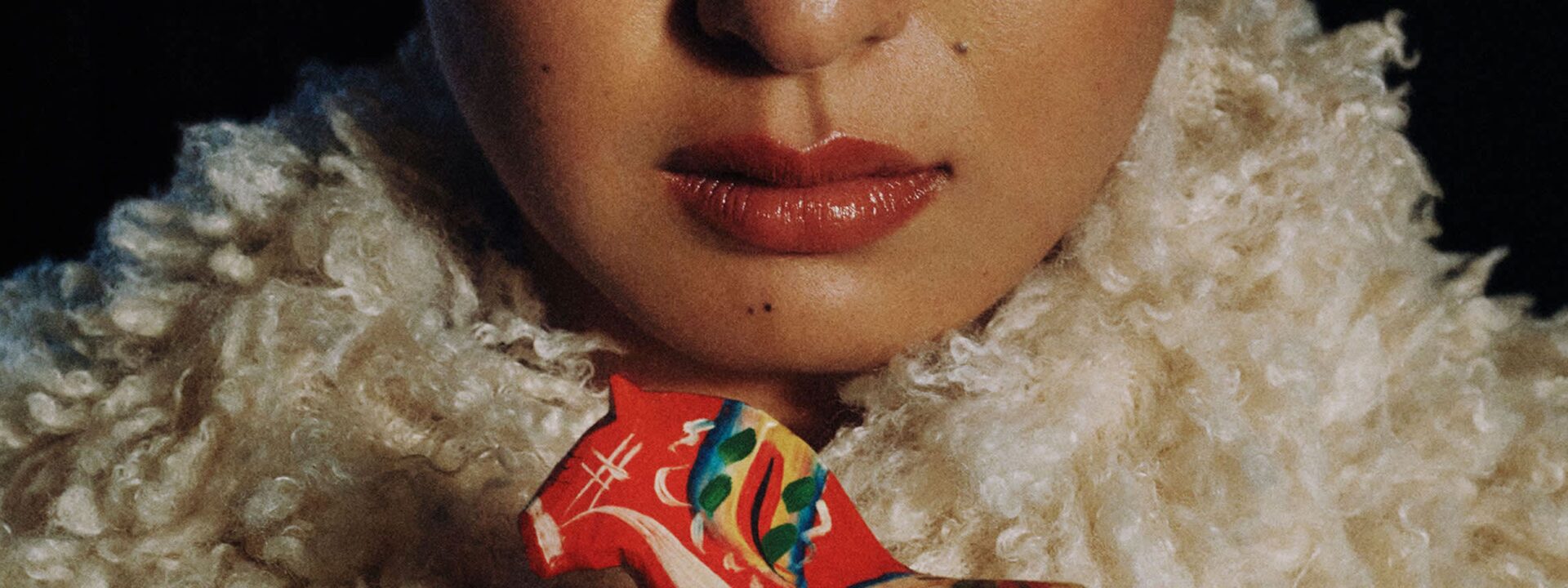
Another campaign centered on movement is Byredo’s “The Horse That Leads Us Home,” photographed by longtime collaborator Annie Lai and featuring model Xi Yi and his partner Wang Xuan. The collection includes limited-edition red packets, ceramic charms, and travel pouches available until the end of February. By rooting its Lunar New Year narrative in its own heritage (the Swedish…Using the hand-carved Dala horse as a metaphor for movement and return, Hou views Chinese New Year as a contextual moment within Byredo’s broader narrative. This makes the campaign feel “additive to the brand, not seasonal or opportunistic.”
Playing into Nostalgia
Traditional Chinese customs are becoming a new driver for the experience economy, offering brands a meaningful opportunity during the new year period. According to Mintel, 43% of high-income consumers wish to participate in temple fairs and folk parades during CNY—a space where brands can engage audiences by blending heritage crafts with modern art or traditions.
Loewe’s collaboration with the Shanghai Animation Film Studio features actor Wang Yibo honoring Peng Wexi’s literary classic Little Horse Crossing the River, a fable about self-belief and courage. “Using this popular Chinese children’s tale taps into nostalgia for those born from the ’70s to ’90s, while its message of self-belief resonates with Gen Z,” says Coulon. “It also creates a form of ‘warm luxury’ that feels culturally rooted.” The release includes special editions of the Puzzle and Amazona cropped bags with horse-inspired fringes and tassels, as well as leather overshirts.
Celine’s whimsical campaign draws from the folk tradition of wishing trees. While no horse is shown, the visuals feature an evergreen tree adorned with thousands of Celine scarves and ribbons swaying in the wind, accompanied by fashion photography from Zhong Lin. Those familiar with fashion history will recognize Celine’s subtle equestrian references, while audiences can connect with the emotions and traditions evoked.
“Chinese New Year campaigns like these, which aren’t restricted to the zodiac, can be very effective. Celine beautifully merges the brand’s visual language with traditional Chinese folk culture. It feels genuinely sincere,” notes Zhao.
Experts suggest this is the kind of approach brands should adopt to reconnect with Chinese consumers. With a more brand-friendly theme this year compared to, for example, the Year of the Rat, the Year of the Horse is expected to be a key entry point for luxury’s return to China.
Frequently Asked Questions
Of course Here is a list of FAQs about Galloping into the Year of the Horse designed to sound like questions from real people
General Beginner Questions
Q What does Galloping into the Year of the Horse even mean
A Its a festive phrase celebrating the Chinese Zodiacs Year of the Horse Galloping symbolizes the horses energy speed and the hope for a fastmoving successful year ahead
Q When is the next Year of the Horse
A The most recent was 2014 The next one will be 2026
Q I was born in a Year of the Horse What does that say about me
A According to tradition Horse signs are often seen as energetic independent cheerful and talented They love freedom have a strong sense of self and can be a bit impatient
Q Is there a difference between Wood Fire Earth Metal and Water Horses
A Yes The Chinese zodiac cycles every 12 years but each Horse year also has one of these five elements For example 2014 was a Wood Horse and 2026 will be a Fire Horse The element adds another layer of personality traits
Q What are some simple ways to celebrate the Year of the Horse
A You can wear red or green decorate with horse imagery set goals that require action and adventure or enjoy a meal with friends and family to harness the horses social energy
Deeper Meaning Application
Q Whats the best way to harness the energy of the Horse year for myself
A Focus on themes of progress and momentum Its an excellent year to start new projects pursue personal freedom travel network and take decisive action on goals youve been putting off
Q Are there any careers or goals the Horse year is especially good for
A Absolutely It favors careers in sales public relations travel sports entrepreneurship and any field that requires charm mobility and competitive spirit Its a great year for promotions changing jobs or launching a side hustle
Q What should I be cautious about during a Horse year
A