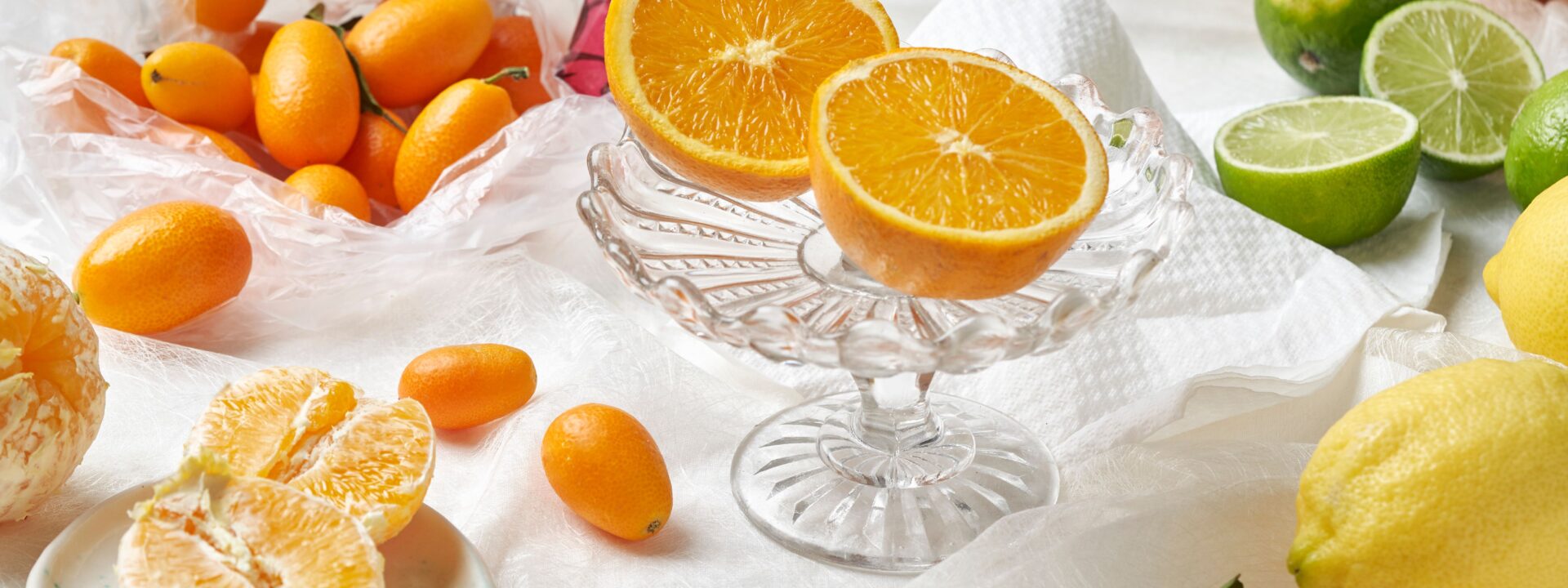
Do you bruise at the slightest bump, or even without any apparent cause? While this might seem more annoying than serious, it could point to a nutritional imbalance, explains Paris-based naturopath Lydie Palmieri. The culprit may be a significant lack of vitamin C, which is vital for strong blood vessels and healthy skin.
Why do I bruise so easily?
A bruise forms when tiny blood vessels under the skin break, allowing blood to seep into the surrounding tissue. Normally, these vessels are strong and resilient. But when they become fragile, even a minor bump can cause a hematoma, or bruise.
“On rare occasions, vitamin and mineral deficiencies can lead to skin bruising,” notes Dr. Howard E. LeWine, Chief Medical Editor of Harvard Health Publishing. “The most well-known is scurvy, due to vitamin C deficiency. Bruising can also signal a lack of zinc or certain B vitamins.”
Vitamin C for skin health
Vitamin C deficiency is one of the most common—and often overlooked—causes of easy bruising. This vitamin is crucial for maintaining strong vascular walls; without enough of it, the entire network of capillaries weakens.
Also called ascorbic acid, vitamin C is essential for producing collagen, a structural protein that holds skin, tissues, and blood vessels together. When intake is too low, capillary walls become more permeable and prone to tiny tears, making bruises appear more easily. As Palmieri points out, “the human body cannot produce or store vitamin C on its own.” That’s why a daily supply is essential—especially during times of stress, fatigue, or when your diet lacks fresh fruits and vegetables.
“A diet rich in fresh fruits and vegetables, or vitamin C supplements, is key to preventing deficiency,” states one scientific study on the link between vitamin C and bruising. “Symptoms of scurvy can appear in as little as four weeks on a diet devoid of vitamin C.”
Other signs of vitamin C deficiency
Easy bruising isn’t the only clue. Since vitamin C supports so many bodily functions, a shortage tends to show up in other ways too. “Vitamin C has strong antioxidant properties that protect cells from damage. It also aids in the growth and repair of skin, cartilage, bone, and teeth,” explains the National Institutes of Health. “Classic signs of deficiency include corkscrew-shaped hairs, bleeding around hair follicles, and gum bleeding.” Here are a few more symptoms to watch for:
1. Frequent illness
Catching colds often? Struggling with lingering infections or slow recovery? This could point to a weakened immune system due to low vitamin C, which is vital for proper white blood cell function.
2. Persistent fatigue
Feeling tired even after a full night’s sleep? Vitamin C helps produce energy and can reduce feelings of exhaustion.
3. Dull skin
While topical vitamin C is praised for glowing skin, don’t forget nutrition: eating enough vitamin C is essential for collagen production. A dull complexion, wrinkles, and loss of firmness can all signal a deficiency.
4. Bleeding gums
Sensitive or bleeding gums when brushing can be a warning sign. Historically, scurvy—a severe vitamin C deficiency common among sailors—often showed up as gum problems.
5. Irritability
Feeling unusually crabby or moody? While not widely known, irritability can be a symptom. Vitamin C helps regulate cortisol, the stress hormone, and low levels may increase nervousness and irritability.
How to get enough vitamin C
Contrary to popular belief, oranges aren’t the most concentrated source. Bell peppers, kiwi, and blackcurrants are actually richer in vitamin C.Strawberries, broccoli, and fresh parsley actually contain even more. To preserve their vitamin C and other nutrients, try eating them raw or lightly cooked.
According to the NIH, about 90% of the vitamin C in most diets comes from produce—whether fresh, frozen, or canned. Since vitamin C is heat-sensitive, cooking at high temperatures can break it down, and boiling can cause it to leach into the water. Generally, fresh fruits and vegetables have more vitamin C than frozen or canned versions.
For reference, adults need about 75 to 90 mg of vitamin C per day—roughly the amount in one cup of lightly cooked broccoli or one medium orange. Below is a list of some of the best vitamin C-rich foods for easy reference. Try to include them in your daily diet, and if you’re concerned about a possible vitamin C or nutrient deficiency, don’t hesitate to consult a doctor.
– Guava
– Bell Peppers (red, yellow, green)
– Strawberries
– Kiwi
– Broccoli
– Brussels Sprouts
– Citrus Fruits
– Papaya
– Potatoes
– Acerola Cherries
– Rose Hips
Curious about a beauty or wellness trend? We’d love to hear from you! Email Vogue’s senior beauty & wellness editor at beauty@vogue.com.
Frequently Asked Questions
FAQs Do You Bruise Easily You Might Need More of This Vitamin
BeginnerLevel Questions
1 What vitamin are we talking about here
The main vitamin linked to easy bruising is Vitamin C Vitamin K is also very important for proper blood clotting
2 Why would a vitamin deficiency cause bruising
Vitamin C is essential for building collagen the protein that strengthens your blood vessel walls Weak vessels are more likely to break from minor bumps causing bruises Vitamin K is crucial for the blood clotting process that stops bleeding under the skin
3 What does bruising easily actually mean
It means you develop bruises from very minor bumps or pressure that wouldnt typically cause one or your bruises are unusually large dark or take a very long time to heal
4 What are the best food sources of Vitamin C
Citrus fruits strawberries kiwi bell peppers broccoli Brussels sprouts and tomatoes
5 What are the best food sources of Vitamin K
Leafy green vegetables like kale spinach Swiss chard broccoli Brussels sprouts and also fermented foods like natto
6 Should I just start taking supplements if I bruise easily
Not necessarily Its best to first consult a doctor Easy bruising can have several causes including medications other health conditions or simply aging skin Selfdiagnosing can be misleading
Advanced Practical Questions
7 Can I get too much of these vitamins from food
Its very difficult to overdose on Vitamin C or Vitamin K from food alone The body regulates natural sources well The risk of excess comes from very highdose supplements
8 Are there any risks with Vitamin C or K supplements
Vitamin C Very high doses can cause stomach upset diarrhea and kidney stones in susceptible individuals
Vitamin K Can interfere with bloodthinning medications like warfarin People on these medications must keep their Vitamin K intake consistent and should never start a supplement without their doctors knowledge
9 Besides bruising what are other signs of a Vitamin C deficiency
Other signs include slow wound healing bleeding or swollen gums roughbumpy skin fatigue