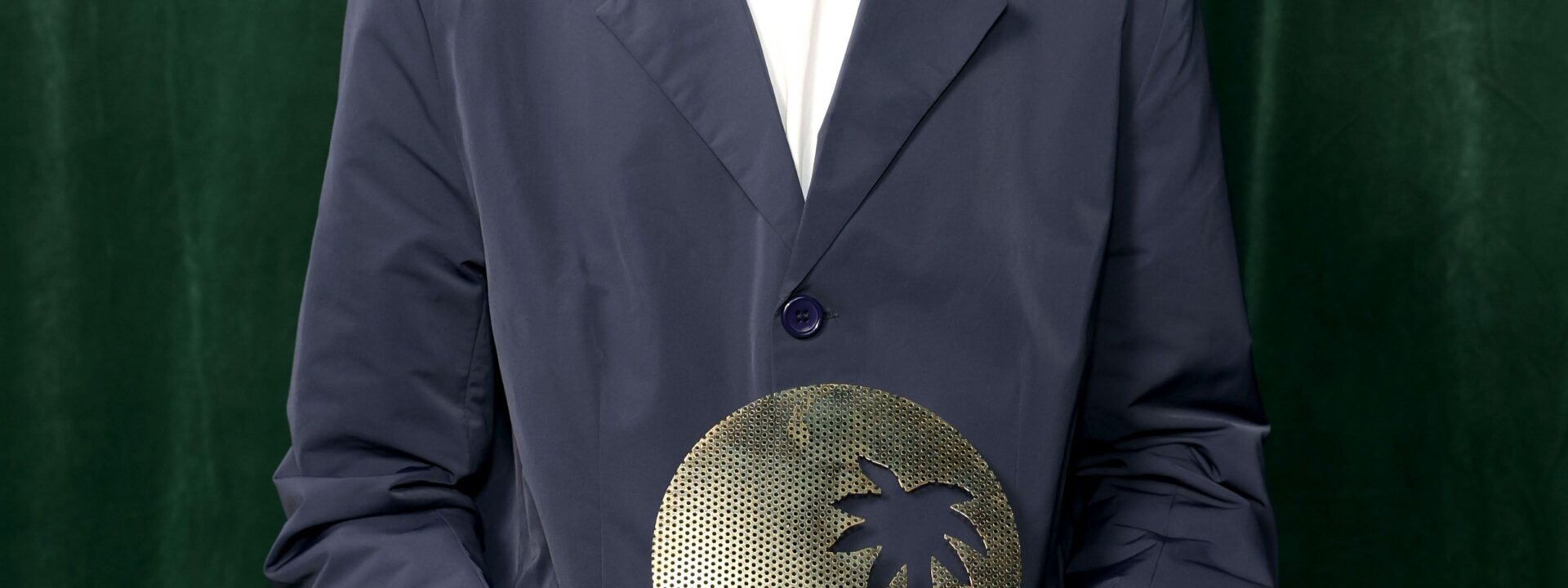
When Fashion Trust launched in the United States in 2022, ahead of its first ceremony in 2023, the landscape for independent designers was already challenging. An economic crisis was sending costs soaring, putting particular pressure on small brands. The initial group of Fashion Trust US (FTUS) finalists highlighted their need for more concrete support.
Now, four years later, building and sustaining a brand is even harder. Since 2023, major online retailers like Matches, Farfetch, and Ssense have all filed for bankruptcy. Just a year after Saks acquired Neiman Marcus and Bergdorf Goodman at the end of 2024 to form Saks Global, the group faced the same fate and is now restructuring to regain solvency. In these bankruptcies, it’s typically the small to mid-sized independent brands that are left unpaid. Then, in 2025, new tariffs reshaped the global fashion industry, forcing brands to manage rising costs for production, importing, and sales.
While cities such as Paris and Milan offer strong support programs for independent designers, institutional support in the U.S. is limited, with no government funding and few major awards. The annual CFDA/Vogue Fashion Fund is the most prominent, having awarded over $8 million in privately raised funds to emerging talent over the years.
Through FTUS, founder Tania Fares aims to expand the support available to American designers. “The system here is fast-paced and highly commercial, but support hasn’t kept up with that reality,” she says, reflecting on the nonprofit’s four-year journey. “There are strong initiatives, but not enough of them—especially given the size of the United States.”
Speaking at the fourth annual FTUS ceremony in Hollywood, Los Angeles, Fares noted, “We all know the fashion industry is demanding, competitive, and constantly evolving—yet it has the power to bring people together across backgrounds and differences, to create and move forward collectively.”
Zane Li of the New York-based brand Lii, founded two years ago, won the ready-to-wear award. He thanked Fashion Trust US, the judges, stylist Kara Welch for encouraging him to apply, and his husband, stylist Jason Rider.
Li’s fellow finalists were Ashlynn Park of Ashlyn, Keith Herron of Advisry, and Maxwell Osborne and Kristy Chen of AnOnlyChild. Except for Lii, all have been in business for at least four years, reflecting Fares’s approach with FTUS. “It was very important for me to set the limit at seven years, not three or four or five,” she explains. “So you’re not as young; you’re a bit more established.” The board also evaluates each brand’s business structure and finances to ensure they have a solid foundation for FTUS to build upon. Past ready-to-wear winners include Aisling Camps (2023), Charles Harbison of Harbison Studio (2024), and Rachel Scott of Diotima (2025).
The same criteria apply to FTUS’s other awards, except for the graduate award, which went to Marcelle Barbosa of Amaramara. Josefina Baillères won the jewelry award, Andrea Marron won the accessories award, and Maxwell Osborne and Kristy Chen of AnOnlyChild won the sustainability award, for which all sixteen finalists from other categories were considered.
This year’s total prize money is $600,000, to be divided among the four awards, with the split determined by the winners’ business sizes. This amount is up from last year’s total of $525,000 (FTUS did not disclose the breakdown by prize). Funding comes from donations by FTUS’s 22 patrons, gala table purchases by brands and organizations (which increased from last year), and sponsorship from Google.
Winners will also gain access to a mentorship program led by Leonardo Lawson.The founder of executive search firm Bond Creative MGMT explained that the program features a C-suite mentorship board composed of executives from various areas of fashion businesses, who provide customized guidance. “The biggest lesson has been that financial support alone isn’t sufficient. Designers need guidance just as much,” says Fares. This mentorship aspect strongly appealed to Rachel Scott of Diotima, last year’s RTW award winner. “The impact extends far beyond immediate support; it’s about being recognized and joining a community that actively fosters your growth,” she notes.
“It’s not about assigning one general mentor to address everything. We match them with experts for three-month periods to concentrate on specific areas like finances or merchandising, because it’s crucial for these businesses to grow, scale, and succeed,” Lawson explains. “We don’t want to award brands that will just put on a show and vanish the next year.” He emphasizes that the executives are skilled at working with young talent and small businesses. “I can’t assign someone who has only worked with billion-dollar brands to a business generating a hundred thousand in revenue. They need to know how to help founders scale.”
The mentorship opportunity motivated brands to apply for the 2026 program. Ashlynn Park is coming off a successful award year, having won the CFDA’s Google American Emerging Designer Award and the CFDA/Vogue Fashion Fund last November. “That was my major achievement last year, but recognition alone doesn’t pave the way forward,” she remarked at Tuesday morning’s showcase. “Since then, I’ve been focusing on building the business structure.” Park is dedicated to developing not only the clothing line but also her team and financial operations. Regardless of winning, she valued the chance to reach a new audience through FTUS’s Los Angeles location.
For AnOnlyChild’s Chen and Osborne, the brand presents a fresh challenge despite their industry experience (Chen has worked at several brands; Osborne co-founded Public School). “Even with our background, we’re approaching this differently, focusing on a non-traditional way of building a brand,” Chen said. “We start by sourcing small-batch fabrics and work backwards. Figuring out how to scale that process is a new and challenging endeavor for us.”
The decision to hold the FTUS Awards in Los Angeles again, rather than New York, helps establish its unique identity. “New York is very crowded,” Fares notes. Twelve of this year’s 16 finalists are based in New York, and many New York designers attended, from last year’s winner Rachel Scott to Tory Burch, who received the Designer of the Year award. Michèle Lamy also traveled from Paris to accept the Lifetime Achievement in Design & Culture award. However, many familiar faces from typical New York fashion events were absent.
While New York’s editorial set may not cross the country for the ceremony, FTUS leverages Los Angeles’s own fashion community—including designers like Mike Amiri and Jerry Lorenzo of Fear of God, as well as influential local stylists such as board members Jamie Mizrahi and Karla Welch—to build its industry credibility. “The stylists are a major attraction for FTUS,” Fares adds. As runway costs rise and online fashion watchers become more focused on celebrity styling, strategic placements can be a game-changer for emerging brands.
Fares acknowledges the power of celebrity influence, evident at events like FT Arabia. At the ceremony, stars were out in full force, with actors including Jodie Turner-Smith and Pamela Anderson, and musicians like Erykah Badu and Travis Scott presenting awards. These celebrities draw attention and lend significant visibility to the event.Can Fashion Trust US continue to establish itself as a key player in the American fashion scene?
Travis Scott and Michele Lamy attended the Fashion Trust US 2026 Awards.
Photo: Stefanie Keenan
Building Awareness and Credibility
Now in its fourth year, FTUS received over 650 applications from designers this year, up from 400 in its first year. Founder Tania Fares is pleased with this growth, seeing it as a sign of rising awareness. “At the beginning, not many designers knew about us. Without applications, there is no trust,” she says.
That awareness is clearly building. “Doesn’t everyone know Fashion Trust?” asked graduate finalist Deborah Won during the showcase. She noted it’s one of the few awards dedicated to emerging talent. Designer Lii’s Li, who is also a contender for this year’s LVMH Prize, applied after FTUS board member Rachelle Hruska MacPherson recommended it. AnOnlyChild’s Chen says she and her partner Osborne learned about the awards through peers.
However, within the broader fashion industry, FTUS still lacks the name recognition of its Middle Eastern counterpart, Fashion Trust Arabia, which Fares also founded in 2019. That event’s November 2025 edition drew fashion elites like Miuccia Prada and Daniel Roseberry. Fares believes the success of FTA is helping FTUS, just as the original Fashion Trust UK (founded in 2011) helped establish the Middle East edition. “I remember very well when I went to meet all the Middle Eastern designers; they were very suspicious and didn’t want to apply,” she recalls. The proven track record in the UK helped build trust. “It’s exactly the same in the US,” she says, adding that FTUS is now developing its own history, which also helps.
Fares is confident that with a solid foundation, everything else will follow. Her main focus is finding the right talent. “The scale here is big. The talent pool is incredibly broad, and making sure we’re reaching the right designers and supporting them in a meaningful way is time-consuming.” By building a platform that truly helps designers grow their businesses, Fares believes visibility will come naturally. “We’re focused on growing in a considered way rather than trying to accelerate too quickly,” she explains.
FTUS is gaining momentum. Diotima’s founder, Scott, first learned about the awards on social media. “As a brand, we’re always looking for opportunities that not only provide support but also align with our vision and values,” she says. “It felt like a program that genuinely understood the landscape for brands like Diotima.” Scott used the prize money to stage Diotima’s first runway show in September 2025.
“Winning was truly a turning point for us,” Scott says. “The support allowed us to invest in key initiatives we had been working toward—most significantly, our first runway show. That was a huge milestone. A runway show is more than a presentation; it’s a statement about where the brand is going and a powerful way to connect with a wider audience. Without the resources from the win, that moment might not have happened when it did. It gave us the visibility and momentum we needed at exactly the right time.”
Before the inaugural awards ceremony in 2023, Fares said she wanted to prove the non-profit’s necessity and value to the US fashion industry. Has FTUS achieved this?
“It’s a bit more recognized. The attendance is a bit more international. Designers want to be involved,” Fares says. “We sold more tables and have more sponsors. So yes, we are growing.” Still, she acknowledges there is more work to do. “Raising more funds is important to be able to give back more. It’s about continuing to strengthen the program and the level of support. I want to build something designers can rely on, not just for a moment, but as they grow.”The Love Story Effect
Frequently Asked Questions
Frequently Asked Questions about Fashion Trust US Independent Designers
Basics Definitions
What is Fashion Trust US
Fashion Trust US is a nonprofit organization dedicated to providing financial grants mentorship business support and industry access to emerging American fashion designers
Who qualifies as an independent designer
Typically this refers to a designer running their own small to mediumsized brand not owned by a large conglomerate They often have limited teams operate on tighter budgets and handle design production and business largely independently
What kind of unprecedented challenges are designers facing
This includes supply chain disruptions rising material costs the shift to digital and social media marketing sustainability pressures competition from fast fashion and recovering from the economic impacts of the pandemic
About Support from Fashion Trust US
What kind of support does Fashion Trust US actually offer
They offer a combination of financial grants oneonone mentorship with industry leaders educational workshops and networking opportunities with retailers and press
Is this just a competition or award
Its more than a onetime award While designers apply and are selected the support is often a yearlong program including mentorship and tailored guidance not just a cash prize
Do I have to give up equity in my company to get support
No Fashion Trust US provides grants not investments They do not take an ownership stake in the designers business
How can a designer apply for support
Designers usually apply through an open application process on the Fashion Trust US website which involves submitting a business plan lookbooks and financials
Benefits Impact
What are the biggest benefits for a designer who gets selected
The main benefits are 1 Funding to produce collections or invest in the business 2 Credibility and industry recognition and 3 Strategic guidance to navigate complex business challenges
Can this support really make a difference for a small brand
Yes For independent brands a grant can cover a full collections production while mentorship can help avoid costly mistakes The network access can open doors that are typically closed to emerging labels
Are there examples of designers helped by Fashion Trust US
Yes Past grant recipients include brands like