A new trend is emerging online: people are looking for ways to spend less time on their phones. Whether you call it a digital detox, logging off, or touching grass, marketers are thinking about how to connect their digital strategies with real-life experiences—and what that means for measuring success.
“The best thing to do online is to find things to do offline,” said Lee Brown, Pinterest’s chief business officer. Pinterest is seeing this trend develop in real time: users are searching for activities, like how to host a great barbecue or play mahjong. After exploring these ideas, they want to actually try the hobbies and parties they’ve saved and collected online. More and more—especially among Gen Z—people are valuing meaningful, in-person experiences: less doomscrolling, more doing. According to Brown, searches on Pinterest for phone-free ideas have gone up by 113%. “They’re literally actively looking for what they can do without their phone.”
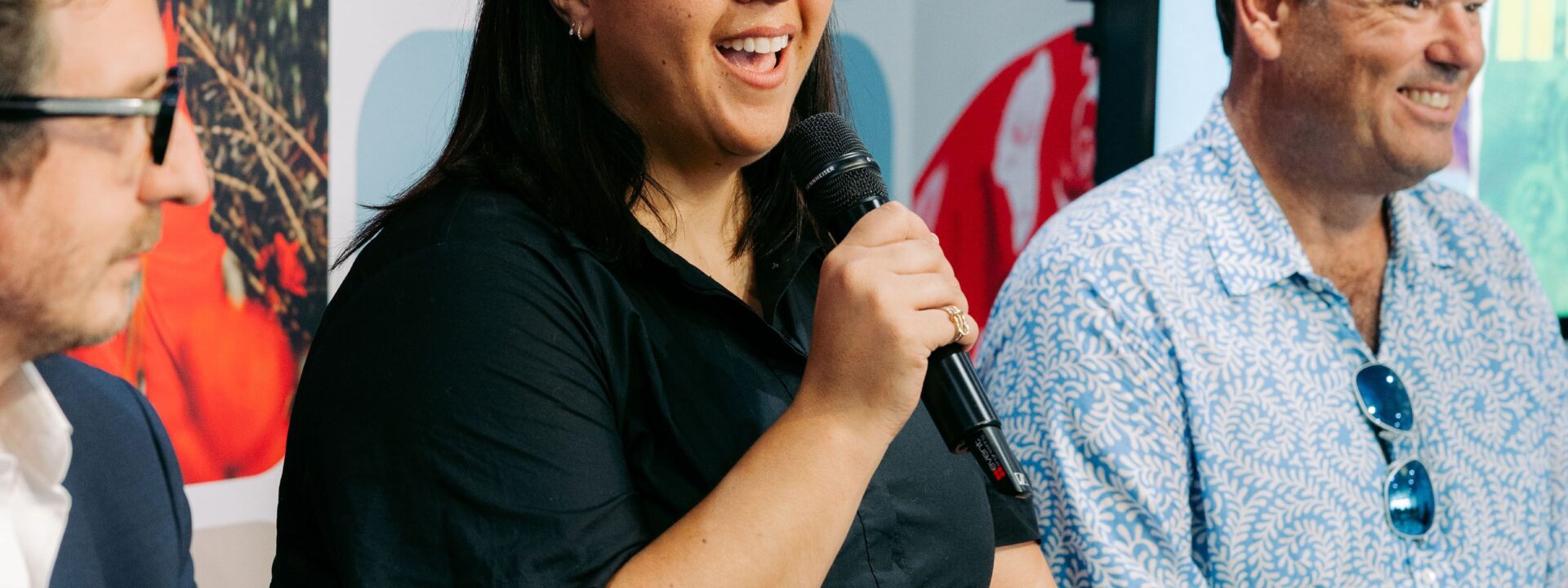
This was the topic of discussion at the Vogue Business x Pinterest brunch at Cannes Lions, called “From Attention to Intention: The Changing Face of Digital Consumption.” On Wednesday, June 24, during the festival, Brown was joined by Meena Anvary, CMO of Banana Republic, and Charles Georges-Picot, CEO of Publicis Groupe’s global luxury practice, for a panel discussion moderated by Vogue Business executive editor Hilary Milnes. The speakers shared their thoughts on digital fatigue and the importance of in-person connection during a sit-down brunch on Pinterest Beach.
“People are buying experiences more than products,” said Georges-Picot. “We’re living more of a digital life, so they’re trying to balance that with real-life experiences. Luxury is about more than just products.” In-person moments and high-touch customer service feel more special, especially for luxury clients, and leave a lasting impression on customers and audiences. They then carry the memory of that experience into their digital worlds—because, as Georges-Picot pointed out, it’s not like we’re all giving up our devices. We just want to look up from them a bit more, meet in person, and discover more interesting content that can be talked about offline.
“People still use social media, but the way they consume is slightly different. They like having private spaces to discuss things. They send DMs, they share content,” said Georges-Picot. “So, for brands, the conversation we have with them is: you need to create content that’s a bit more interesting. It’s not just about bombarding people with images every five seconds. It’s about what meaningful content you can create that people will engage with and share with their friends.”
How this translates into a marketing strategy, when so much customer acquisition happens online, is something brands are figuring out. For Banana Republic, it’s about balancing both digital and real-life experiences to make the most of the customer journey.
“The idea of real-life experiences is really relevant today, and making sure we’re creating meaningful experiences for Banana Republic,” says Anvary. “We’ve been on a brand reinvigoration journey over the last couple of years. We’ve been remodeling stores, opening new ones, and hosting events that focus on the experience. It’s really not about selling products—it’s about sharing meaningful stories and giving people a reason to connect.”
She points to the Banana Republic store in SoHo, New York, which has a speakeasy and hosts many events. The brand also invests in online video and prioritizes storytelling that goes beyond the screen, combined with in-person events and experiences.
Pinterest’s Brown said this is a trend the platform sees continuing with Gen Z, though it spans different age groups. “We’re really programming not just time spent on our platform, but time spent in the real world,” he said.Cesare Piaser
Hilary Milnes, executive editor of Vogue Business. Photo by Cesare Piaser.
Photo by Cesare Piaser.
Frequently Asked Questions
Here is a list of FAQs about the From Attention to Intention Inside the Vogue Business x Pinterest Cannes Brunch written in a natural conversational tone
General Definition Questions
1 What exactly was this From Attention to Intention brunch
It was a private inviteonly event cohosted by Vogue Business and Pinterest during the Cannes Lions Festival The focus was on a big shift in marketing moving from just grabbing peoples attention to understanding their real intent
2 Why was it held at Cannes
Cannes Lions is the biggest global festival for creativity and advertising Brands agencies and media leaders gather there to set the trends for the next year This brunch was a way to launch a major discussion about the future of marketing right at the center of the action
3 Who was the target audience for this event
Senior executives in marketing advertising fashion luxury and beauty Think CMOs brand strategists and creative directors from major global brands
4 Is this a public event I can attend
No It was a very exclusive inviteonly brunch However the key ideas and insights from the conversation are often shared publicly afterward in reports or articles by Vogue Business and Pinterest
Benefits Why It Matters
5 Why is intention better than attention for brands
Attention is fleetingsomeone might scroll past a cool ad but forget it instantly Intention captures what someone is actively planning to do This leads to higher conversion rates and more meaningful customer relationships
6 How does Pinterest specifically help with intention
Unlike many social platforms where people passively scroll people come to Pinterest with a purpose They use it to plan discover and shop Pinterest calls this highintent behavior making it a perfect place to reach people who are ready to act
7 Whats the main takeaway for a brand from this brunch
Stop obsessing over vanity metrics Start focusing on whether your marketing aligns with what people are actually