Your gut is home to trillions (yes, trillions) of bacteria. But it might surprise you that to keep your gut microbiome healthy—which is key for digestion, immunity, and more—you actually need to eat even more healthy bacteria, known as probiotics. “It’s important to follow a diet that promotes greater bacterial diversity,” says nutritionist Laura Parada.
Feeling unsure where to start? Keep reading to find out which probiotic foods you should add to your diet.
Yogurt
One of the most well-known probiotics is yogurt. Plain yogurt is made from milk fermented with Lactobacillus bulgaricus and Streptococcus thermophilus bacteria, both of which are good for your gut. To get the full nutritional benefits, choose a yogurt labeled with “live and active cultures” and no added sugar.
Kefir
Similarly, kefir is a drinkable yogurt made by fermenting milk with bacteria and yeast. Besides giving your gut healthy bacteria, it’s also a great source of calcium and protein.
Kombucha
Usually made from black or green tea fermented with bacteria, yeast, and sugar, kombucha is another excellent choice. According to the Cleveland Clinic, this tangy drink can help fight inflammation (it’s packed with antioxidants), support your immune system (hello, B vitamins), and more.
Natto
Popular in eastern Japan, natto is a traditional breakfast food made from soybeans fermented with Bacillus subtilis bacteria. It’s rich in protein, fiber, healthy fats, and various vitamins and minerals, all of which support bone, heart, and gut health.
Miso
Miso is also made from fermented soybeans, along with salt and koji (a beneficial fungus). Studies suggest it may help lower the risk of cancer and heart disease.
Sauerkraut
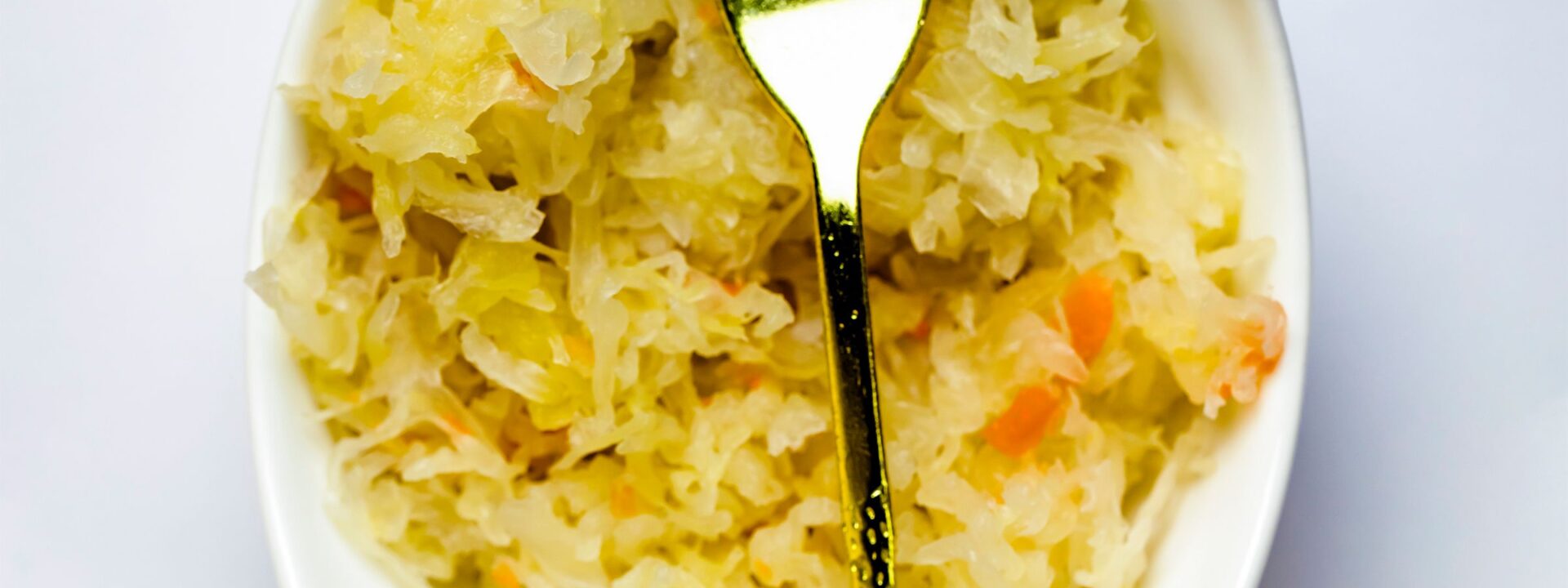
Made from fermented cabbage, sauerkraut contains lactic acid bacteria. The Cleveland Clinic reports that it’s also a good source of vitamin K, which supports heart and bone health.
Kimchi
Clearly, it’s time to jump on the cabbage bandwagon. Kimchi is fermented cabbage, often mixed with other vegetables like radishes, carrots, and celery, plus seasonings like ginger and chili. The fermentation process gives it good bacteria for your microbiome, and it’s also rich in vitamins A and C, which support your immune system.
Cottage cheese
Cottage cheese is traditionally made from milk and an acid, which forms the curds. To make sure your cottage cheese is a probiotic, UCLA Health advises checking the label for “live and active cultures.”
What’s the difference between probiotics and prebiotics?
“When we talk about probiotics, we mean the beneficial bacteria found in certain foods, especially fermented ones,” says Gena Hamshaw, MS, RDN, CDN, outpatient clinical nutrition coordinator at the Mount Sinai Kidney Center in New York City. Prebiotics, on the other hand, are types of fiber that feed the healthy bacteria in your colon. (Examples of prebiotics include flaxseeds, chickpeas, bananas, and mushrooms.)
When you eat a balanced diet with both prebiotics and probiotics, they work together in a helpful cycle. “The idea is to keep those good bacteria populations thriving in your gut, and to do that, you need to keep supplying them with energy,” she says.
Have a beauty or wellness trend you’re curious about? We want to know! Send Vogue’s senior beauty & wellness editor an email at beauty@vogue.com.
Frequently Asked Questions
Here is a list of FAQs based on the topic of 8 probiotic foods a nutritionist recommends to help support your gut health
BeginnerLevel Questions
1 What exactly are probiotic foods
Probiotic foods contain live beneficial bacteria that are good for your digestive system Eating them helps add more good bugs to your gut
2 Why would a nutritionist recommend eating these foods instead of just taking a supplement
Foods provide a wider variety of bacterial strains and often come with prebiotics and other nutrients Whole foods are usually more effective for overall gut health than a single pill
3 What are the 8 probiotic foods the nutritionist is talking about
While the specific list can vary a nutritionist typically recommends Yogurt Kefir Sauerkraut Kimchi Miso Tempeh Kombucha and Pickles
4 Can I eat these foods if I am lactose intolerant
Yes many are dairyfree Kefir is often low in lactose and welltolerated but safer options for lactose intolerance include Kimchi Sauerkraut Miso Tempeh and Kombucha
IntermediateLevel Questions
5 How much of these foods do I need to eat to actually see a benefit
You dont need a lot A good starting point is one serving per day Consistency over quantity is key
6 Do all pickles and sauerkraut in the grocery store contain probiotics
No Only fermented pickles and sauerkraut contain live probiotics Shelfstable versions are made with vinegar and heat which kill the bacteria Look for live cultures or raw on the label
7 What is the difference between yogurt and kefir
Kefir is a thinner drinkable fermented milk that contains a much wider variety of bacteria and yeast strains than yogurt It is often considered a more potent probiotic source