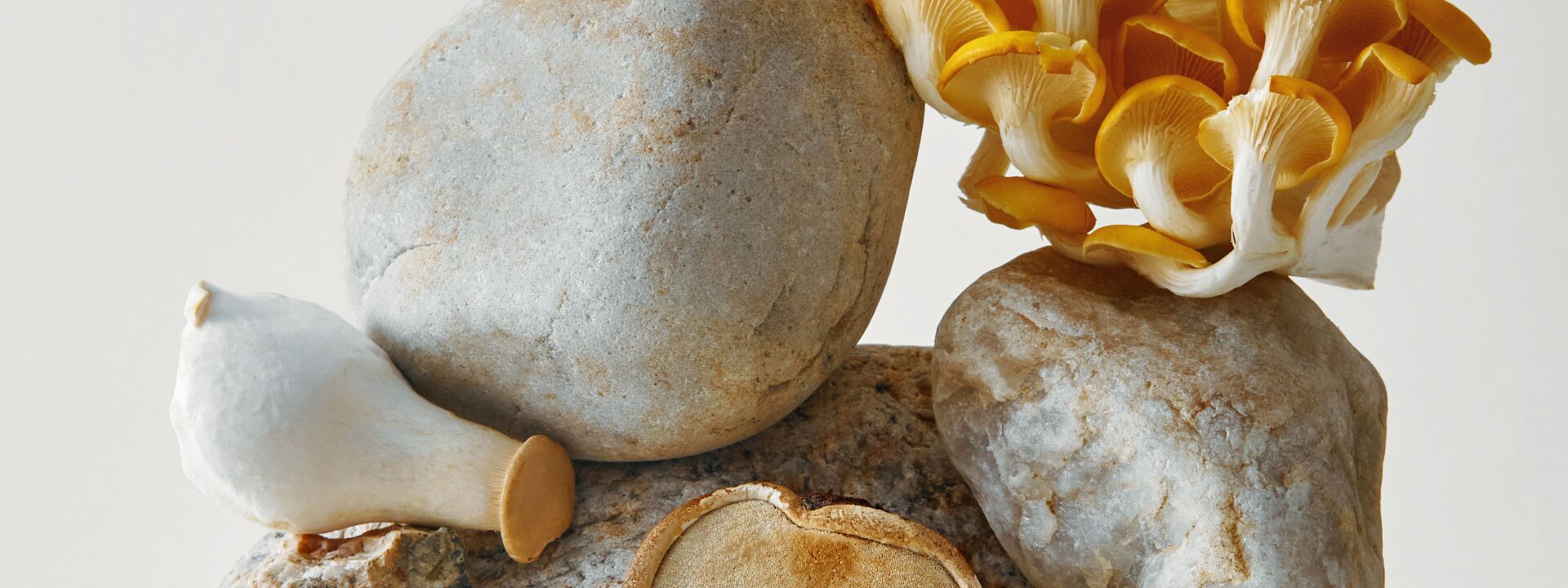
Before I started focusing on healthy eating, I saw mushrooms as little more than a garnish—something to sprinkle on risotto or top a pizza. That changed when I heard integrative health and nutrition coach Karen Cummings-Palmer say we should actually be eating mushrooms every day.
Every day? It sounded like a lot, but I was curious. What I learned completely shifted my perspective. These longevity-promoting fungi are packed with beneficial nutrients, including some that are rare in the plant world: vitamin D, minerals like selenium and potassium, and antioxidants that help slow cellular aging.
It turns out that eating mushrooms regularly offers a wide range of benefits for your health, hair, and skin. Plus, they add a delicious umami flavor and a satisfying, meaty texture to dishes. Here’s a closer look at why you might want to make them a daily habit.
What exactly are mushrooms?
Mushrooms grow from the ground, but they aren’t vegetables or fruits. They belong to their own biological kingdom: fungi. Unlike plants, they don’t have leaves or flowers, produce seeds, or use photosynthesis. Instead, they feed on decomposed organic matter, breaking it down themselves.
Mushrooms come in many shapes and colors, but they all share the same basic structure: a hidden underground network called mycelium that absorbs nutrients from the soil, and the fruiting body—the part you see above ground. They’re rich in protein, though not made entirely of it.
There are many types of mushrooms, including edible, medicinal, functional, parasitic, poisonous, and of course, the “magical” varieties. While functional or medicinal mushrooms like Chaga, Reishi, and Cordyceps often get attention in wellness circles, everyday edible mushrooms—such as button, porcini, chanterelle, maitake, shiitake, portobello, cremini, and oyster—also have their own healing properties. (Fun fact: Lion’s Mane mushrooms are both functional and edible.)
“Functional mushrooms have a stronger effect, but even common mushrooms are excellent sources of selenium, B vitamins, and beta-glucans—a soluble fiber that supports gut health, boosts the immune system, and can improve skin conditions like eczema,” explains Cummings-Palmer. “Mushrooms are also incredibly versatile and, like our skin, can absorb vitamin D. To increase your intake, try placing sliced mushrooms near a sunny window for about an hour.”
How many mushrooms should I eat per day?
A standard serving is about 3 ounces (84 grams) of raw mushrooms. Even eating just a few mushrooms a day can provide benefits. Keep in mind that nutrient levels vary by type; most nutrition data is based on common varieties like button, cremini, and portobello (all part of the Agaricus bisporus species).
Most edible mushrooms are safe for the general population, with no major restrictions. However, pregnant people should avoid raw or undercooked mushrooms. If you have liver, kidney, or intestinal issues, consult your doctor first. Those with yeast or mold allergies should also be cautious.
10 reasons to eat mushrooms every day
1. Packed with antioxidants
Mushrooms are rich in antioxidants like vitamin C, polyphenols, and beta-glucans, which help neutralize free radicals and support disease prevention. They also contain ergothioneine, an amino acid that promotes cell turnover and collagen production—an ingredient now popular in skincare. Additionally, they’re high in glutathione, a powerful antioxidant that protects against oxidative stress and supports liver detoxification.
2. Immune system support
Mushrooms are a great fall and winter staple, loaded with immune-boosting antioxidants that help fend off seasonal illnesses. Their beta-glucans have been shown to enhance immune function.Mushrooms help activate key immune cells like macrophages and natural killer cells, boosting the body’s frontline defenses. Just toss a handful—even dried—into soup for a warming, anti-inflammatory bowl.
They’re also a great source of B vitamins, with one serving providing up to 20% of your daily needs. These include biotin (B7), niacin (B3), and pantothenic acid (B5), which support energy, skin health, and cell function. Some varieties even contain a little vitamin B12, which is important for brain and nervous system health and often lacking in vegan diets.
Like our skin, mushrooms can produce vitamin D when exposed to sunlight. Placing them in the sun for 15 to 60 minutes significantly increases their vitamin D content, making them a rare plant-based source of this nutrient that supports bones, muscles, immunity, and mood.
Research suggests mushrooms may support brain health as we age. A study from Singapore found that adults who ate more than two cups of mushrooms per week had about a 50% lower risk of mild cognitive impairment, a condition that can precede Alzheimer’s disease.
Low in calories but rich in flavor, mushrooms are a satisfying choice for weight management. They average just 25–30 calories per 3.5 ounces (100 g) and are about 90% water, making them hydrating and filling. They’re also naturally low in sodium, fat, and sugar.
Mushrooms contain beta-glucans, a soluble fiber linked to lower cholesterol, better heart health, and improved blood sugar control. They also provide about 4 grams of protein per 3.5 ounces, which is why they’re often used in veggie burgers or as a meat substitute.
They offer essential minerals like potassium for heart and nerve function, phosphorus and calcium for bones, and iron and sulfur for cellular processes. Mushrooms are especially rich in selenium, which supports thyroid and immune function, and copper, important for oxygen transport and healthy skin, hair, and nails.
Thanks to antioxidants and anti-inflammatory compounds like beta-glucans and ergothioneine, mushrooms may help reduce cardiovascular risk and support heart health.
The polysaccharides in mushrooms act as prebiotics, feeding good gut bacteria and supporting a balanced microbiome. Simply adding a handful of basic mushrooms to salads, eggs, or soups can benefit your heart, immune system, digestion, and even your skin, hair, and nails—contributing to overall well-being.
Have a beauty or wellness trend you’re curious about? Let us know! Email Vogue’s senior beauty & wellness editor at beauty@vogue.com.
Frequently Asked Questions
Frequently Asked Questions About Making Mushrooms a Daily Part of Your Diet
Beginner Definition Questions
1 Whats so special about mushrooms Arent they just a vegetable
Mushrooms are unique because they are fungi not plants This means they have a different nutritional profile offering nutrients like vitamin D selenium and compounds not found in typical fruits and vegetables
2 What are the main health benefits of eating mushrooms daily
Daily consumption can support your immune system provide essential vitamins and minerals contribute to heart health offer antioxidants and may help with weight management due to their low calorie and high fiber content
3 Are all mushrooms equally good for you
While most edible mushrooms are healthy their nutrient profiles differ For example shiitake are known for immune support cremini are high in selenium and maitake are studied for their potential metabolic benefits Eating a variety is best
Practical HowTo Questions
4 How many mushrooms should I eat per day to see benefits
A common serving size is about one cup of raw mushrooms or a halfcup cooked Incorporating this amount daily is a great way to add their benefits to your diet
5 Whats the best way to cook mushrooms to keep their nutrients
Sautéing grilling or roasting are excellent methods Avoid boiling for long periods as some nutrients can leach into the water Cooking actually helps break down tough cell walls making some nutrients more available for your body to absorb
6 Can I just take a mushroom supplement instead
While supplements are popular for targeted benefits eating whole mushrooms provides dietary fiber texture and a broader spectrum of nutrients Think of whole mushrooms as food first and supplements as an extra
Safety Common Concerns
7 Are there any risks or people who should avoid mushrooms
Most people can safely eat common culinary mushrooms However those with a specific mushroom allergy should avoid them Always consume mushrooms from reputable sources to avoid poisonous varieties
8 What about the rumor that mushrooms are toxic because they absorb heavy metals
Commercially cultivated mushrooms grown in regulated substrates are safe The concern is more relevant for wild mushrooms growing in contaminated