To be Dua Lipa, eating cherries on the beach during your Italian honeymoon. No surprise—the pop star has great taste (literally). Harvard recently listed cherries as one of the best anti-inflammatory fruits. Even if cherries aren’t your thing, there are plenty of other fruits that fight inflammation and support your gut, thanks to powerful antioxidants (like polyphenols and vitamin C) and fiber.
To help prevent blood sugar spikes—which can cause inflammation—pair your fruit with a little protein, like nuts, cheese, or hard-boiled eggs, says Ashley Oswald, RDN, LD, IFNCP, CLT, founder of Oswald Digestive Clinic in Minnesota. “We always say eat a variety of colors,” Oswald says. “What we know from the microbiome data is to eat a variety of fibrous foods.” Keep scrolling for some of the best options to add to your plate, whether you’re snacking on vacation or at your desk.
Berries
Blueberries, strawberries, raspberries, and blackberries are all great anti-inflammatory choices. Berries are rich in an antioxidant called anthocyanin, which gives them their color. According to a 2020 scientific review, anthocyanin may help increase the amount of probiotic bacteria in your gut, which is good for maintaining a healthy microbiome.
Apples
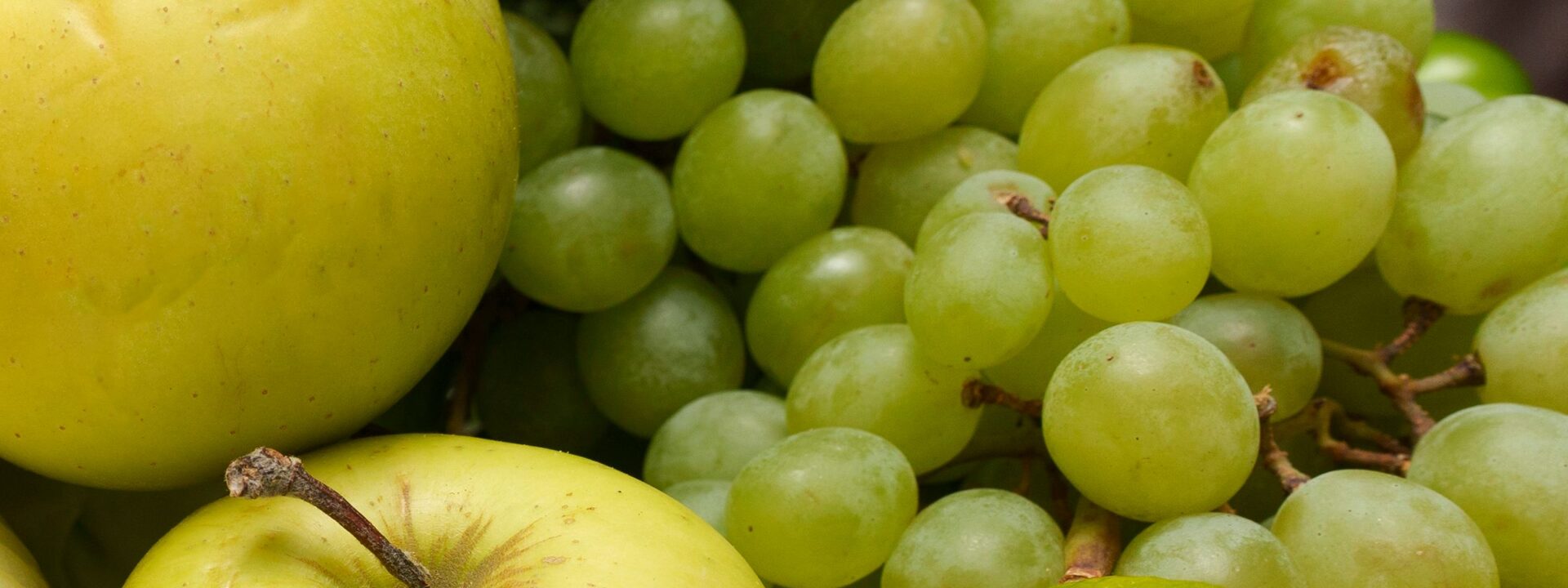
Apples are rich in a soluble fiber called pectin, Oswald says. This fiber is eaten by bacteria in your gut and fermented to create butyrate, “which is a really powerful anti-inflammatory nutrient.” However, Oswald warns that while apples can offer amazing benefits, if you have a sensitive gut or deal with IBS and react to fermentable fibers, they could make your symptoms worse.
Citrus fruit
Citrus fruits like oranges and lemons are especially high in flavanones. These are antioxidant compounds that give the juice and peels a bitter taste, according to a 2016 scientific review. They have “anti-hypertensive, lipid-lowering, and anti-inflammatory properties,” says nutritionist Laura Parada. Of course, citrus is also a well-known source of vitamin C, a powerful anti-inflammatory that can help with constipation, Oswald adds. A 2021 study in the journal Antioxidants found that “supplementation of high-dose vitamin C can manipulate the gut microbiota composition, leading to shifts of bacterial populations in the gut,” which could help treat various diseases, pending more research.
Pomegranates
According to an article from UCLA Health, pomegranates are an excellent source of polyphenols. When digested, they turn into a fermented compound called urolithin, which moves through the body and “can lead to positive outcomes such as reducing age-related decline, halting inflammation, and preventing cardiac dysfunction,” the university notes. It adds that the fruit may also support a healthy gut microbiome by fighting harmful bacteria.
Grapes
“Resveratrol is what people largely know grapes for,” Oswald says. It’s a compound that fights harmful bacteria and fungi, is anti-inflammatory, and has “very high antioxidant potential,” according to a 2018 scientific review.
Cherries
In addition to being packed with vitamins A, C, and E (all great antioxidants), cherries—both sweet and tart—are rich in polyphenols. According to the Cleveland Clinic, one cup of pitted sweet cherries also has about 2.5 grams of fiber, which is about 9% of the recommended daily value, and helps feed the good bacteria in your gut.
Kiwis
“Kiwis are really great for constipation and motility,” Oswald says. According to a 2022 scientific review in the journal Advances in Nutrition, kiwis help increase bowel movement frequency, reduce straining, and improve stool consistency. They’re also rich in vitamin C, dietary fiber—one cup contains about 5 grams of fiber—folate, potassium, and antioxidants.
Prunes
Oswald also highlights prunes as being great for gut issues. One reason is that they’re rich in fiber—according to the USDA.A 100-gram serving of dried plums (prunes) provides about 6.3 grams of fiber, which is roughly a quarter of the daily recommended intake. A 2022 study on postmenopausal women who took prune supplements for 12 months found that the fruit can also positively affect gut microbiota. Plus, prunes are good for bone health because they’re rich in vitamin K.
Is there anyone who should be careful with fruit intake?
Of course, there’s no one-size-fits-all solution for inflammation and gut health issues. “If you have a gut imbalance, keep in mind that fruit can sometimes make your symptoms worse,” Oswald warns. She suggests working with a dietitian trained in gut health for more personalized treatment.
Curious about a beauty or wellness trend? We want to hear from you! Email Vogue’s senior beauty and wellness editor at beauty@vogue.com.
Frequently Asked Questions
Here is a list of FAQs about the 8 fruits that help fight inflammation and support gut health written in a natural tone with clear answers
Beginner Questions
1 What exactly are antiinflammatory fruits and how do they help my gut
Antiinflammatory fruits are rich in antioxidants and fiber They help calm down chronic inflammation in your body and feed the good bacteria in your gut improving digestion and overall gut health
2 Can you name the 8 fruits that are best for fighting inflammation and gut health
Yes The most commonly cited ones are Berries Cherries Oranges Pineapple Papaya Apples Avocados and Pomegranates
3 Is it better to eat these fruits whole or drink them as juice
Whole fruits are much better Juicing removes most of the fiber which is the key component for feeding your gut bacteria Eating the whole fruit gives you both the fiber and the antiinflammatory compounds
4 How many servings of these fruits should I eat each day to see a benefit
Aim for 23 servings per day A serving is about one medium fruit or one cup of berries Consistency is more important than eating a huge amount at once
Intermediate Advanced Questions
5 Why are berries specifically so good for inflammation compared to other fruits
Berries are packed with anthocyanins and flavonoids These are powerful antioxidants that reduce inflammatory markers in the blood and also act as prebiotics meaning they selectively feed good gut bacteria while starving harmful ones
6 I have IBS Are these fruits safe for me since some are high in FODMAPs
It depends on the fruit and your sensitivity For example apples and avocados are high in FODMAPs and can trigger bloating in some people with IBS Berries oranges and pineapple are generally lowFODMAP and better tolerated Start with small portions and see how you react
7 Does cooking or freezing these fruits destroy their antiinflammatory benefits
Surprisingly no Freezing actually locks in the nutrients making frozen berries just as good as fresh Cooking can reduce some vitamin