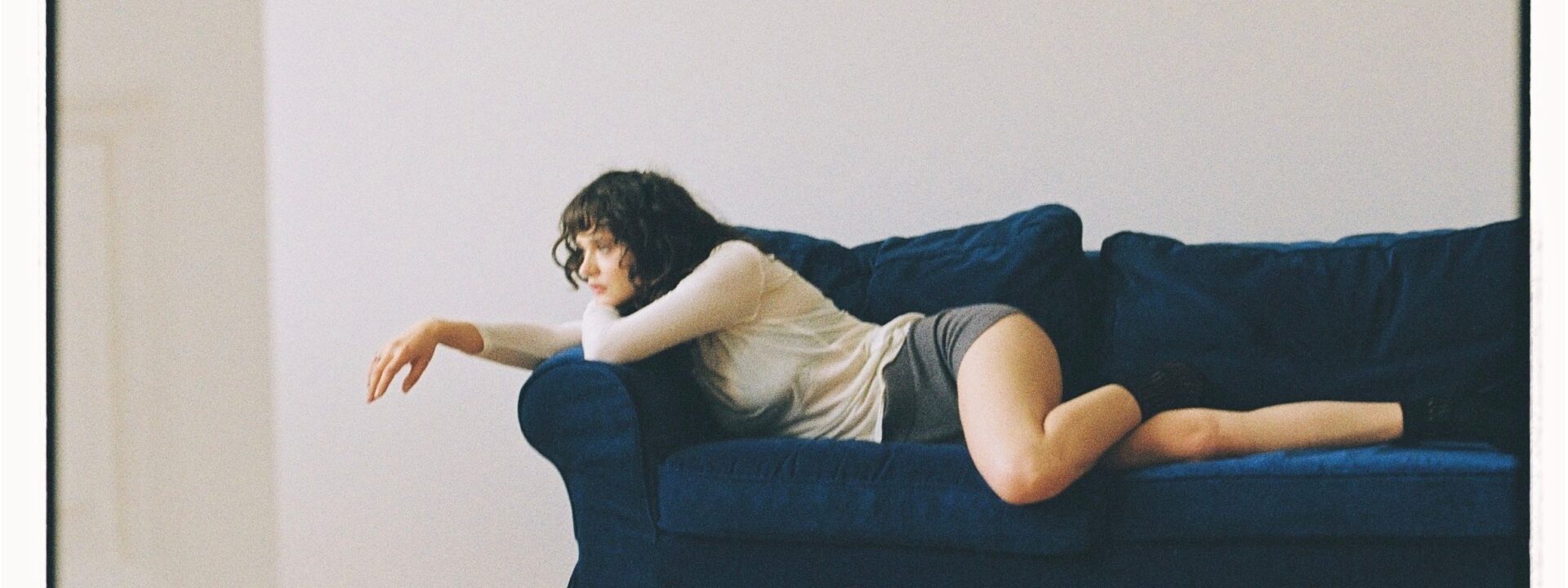
When people find out I was an only child, they usually ask the same question: “Weren’t you lonely?” It’s a pretty heavy question for a casual chat, but I’ve learned to give the answer they expect: “No, I loved it!” The truth is more complicated. I did enjoy getting all my parents’ attention and never having to fight a sibling for the remote. But as a bookish kid who was always on the edges of school social circles, I sometimes wished for company. It wasn’t that I couldn’t keep myself busy—that’s what Lemony Snicket books and Lizzie McGuire were for—but I sensed, on some level, that spending so much time alone wasn’t entirely normal.
I think about the difference between being lonely and being alone pretty often now, since I’ve been living solo after a big breakup with my live-in partner almost a year ago. I share my studio with a feisty little Maltipoo named Frank about half the time, but when he’s with his dad, it’s just me, my books, my RHONY reruns, my collection of vintage martini glasses, and my slow-burning incense sticks. I do like this life—when I’m soaking in a bubble bath with a glass of orange wine, I’d even say I love it—but there are times when I’m less sure. I wonder if I’m somehow failing, or if I’m just fulfilling my only-child destiny by not sharing my home with a partner or roommates anymore. And those are the moments when I tend to open TikTok and catch up with the group of “loneliness influencers” I follow—or, as I like to think of them, my LonelyGirls.
The first loneliness influencer I ever discovered (through my friend Sarah, another single mom of a little white dog who also lives alone) was Lana Isa, or @lanasololife. She calls herself a “friendless girl” and often films herself doing ordinary things—making waffle fries for dinner, returning Amazon packages to the post office, journaling—made a bit less ordinary by the pride she seems to take in her complete independence and her comfort in the solo-living silence I’ve come to know all too well.
There’s something intriguing to me about how unpretentious Isa’s daily routine is. I’ve always tried to follow Nora Ephron’s example from an essay in I Feel Bad About My Neck, making myself a proper dinner, sautéing and chopping and treating myself like a guest even (or especially) when I’m eating alone. But Isa’s oven-ready waffle fries—which feel spiritually similar to the “pathetic container of yogurt” Ephron criticizes—might be an even bolder way of being alone. They reject the idea that you have to wine and dine yourself to be happy in your own company.
I’ve also started wondering if there’s something quietly radical about women—like Isa, Devon, and Paulina Cee—who build their public personas around privacy. When I start feeling down about my single, solo-living life, I think about how few women in my family ever really got the chance to experience life without a (male) partner. Sure, there are predictable Cathy-comic moments (usually at 11 p.m. on Sunday nights, for some reason) when I wonder if I’ll ever find someone I actually want to live with again. But there are just as many moments when I celebrate my self-determined life.
Still, when you live or spend a lot of time alone, it’s hard not to feel like you need to defend your life choices, especially as your friends and family start getting married and building their own families while you’re googling “how to set up IKEA shelf one person.” What I really love about my LonelyGirls is that they’re not always smiling or praising their lifestyles. Their friendlessness doesn’t always make them happy, their planless Friday nights sometimes make them miserable, and they open up about all of it, reminding me that it’s okay to feel both ways.This reminded me, in turn, that I don’t need to be completely at peace with the life I’m living in order to enjoy what it has to offer.
I now have the kind of social life I dreamed of back in my miserable early 20s. I’m surrounded by friends here in LA and across the country, and if I don’t have plans on a Friday night, it’s usually because I chose not to. But that doesn’t make me better than my LonelyGirls. At the end of the day, we’re all just women living alone, cooking dinner, returning packages, and doing our best to fill—or simply sit still inside—the silence.
Frequently Asked Questions
Here is a list of FAQs about why loneliness influencers might be making you feel less lonely
Beginner Questions
Q What is a loneliness influencer
A Its a content creator who openly shares their struggles with loneliness isolation or social anxiety Instead of a perfect life they show the messy quiet or awkward parts of being alone
Q Why would watching someone be lonely make me feel better
A It creates a feeling of me too When you see someone else eating alone crying or struggling to make friends it validates your own experience You realize you arent the only one feeling this way
Q Isnt this just sad content How is that helpful
A It can be surprisingly comforting It normalizes a painful feeling Instead of feeling broken for being lonely you feel like part of a community It turns a private shame into a shared experience
Q Is this a new thing
A The term is new but the idea isnt People have always found comfort in art music or books about loneliness Social media just makes it more direct and personal
Intermediate Questions
Q How is a loneliness influencer different from someone just venting
A A loneliness influencer usually creates a consistent theme or brand around the experience They often offer gentle advice humor or aesthetic visuals that make the loneliness feel less harsh Venting is usually just an emotional outburst
Q Can watching these influencers actually help me make friends in real life
A Indirectly yes They often give practical tips More importantly they reduce the shame making you more likely to try social situations without the fear of being judged for being alone
Q I feel a bit guilty Am I just using someone elses pain for my own comfort