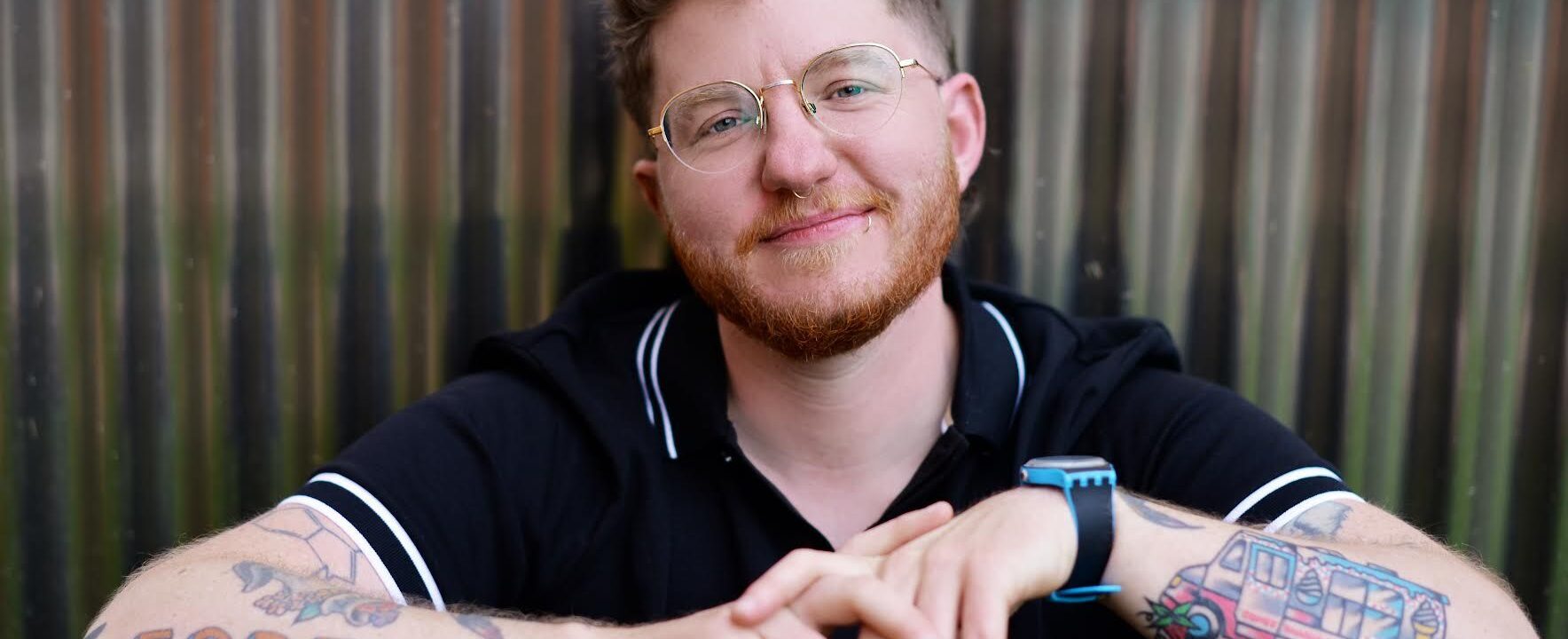
If Krys Malcolm Belc’s first memoir, The Natural Mother of the Child (2021), was about planting the seeds of LGBTQ+ family-making, his latest, What I Made for Dinner, focuses on what it means to keep that family fed while also nourishing yourself.
In What I Made for Dinner, Belc explores his complicated but often romantic relationship with cooking throughout his life. Like many of us, he cooked his way through the early days of the COVID-19 pandemic. Reading his clear and thoughtful take on being the main person responsible for feeding himself, his wife, and their four kids is a beautiful reminder of how simple and sacred a home-cooked meal can be.
This week, Vogue spoke with Belc about celebrating his book release day with (maybe) baked ziti, his strongest opinion on cooking for kids, the pros and cons of the “trans memoir” genre, and more.
Vogue: First things first: What are you cooking or eating to celebrate your book release day?
Krys Malcolm Belc: This morning, I made a banana chocolate-chip snacking cake, kind of adapted from a Melissa Clark recipe. Honestly, I’m not sure what I want for dinner. It feels like a big deal, but I also don’t want to do anything, which is very me. [Laughs.] I don’t know, maybe I’ll make a baked ziti or something.
That sounds great. Are any of your kids old enough to be interested in cooking?
They’re very interested, but they get a little annoyed because I’m kind of territorial. Teaching someone to cook is actually a huge amount of work—which I should know, since I wrote a whole book about it. But in practice, I hadn’t realized how hard it is even to teach a kid to fry an egg. It’s on my summer to-do list to work with them on learning a few basic dishes each.
How does publishing your second memoir compare to your first?
I feel a lot calmer and happier this time. The first time, I felt a lot of anxiety because I didn’t know what would happen. The narrator of a memoir is the person who wrote it, but I felt like the first book had a very different voice and was more about making interesting art out of life experiences. The second one felt more about trying to get to the core of emotional truth. That felt like a project where I could tell if it worked or not, so I’m more straightforwardly happy with how it turned out. Before my first book came out, I’d never really spent time with writers; I didn’t have any writer friends, so I didn’t know what to expect or how it would feel. Now I have a lot more writers in my life. It’s not that I lacked support the first time—I just have more targeted support now.
Do cooking and writing feel linked for you now, or are they separate processes where you can set one aside for the other?
They feel very different to me. Sometimes I’ll make something really ambitious that takes a few days—like the first time I made croissants, which is a whole big process—but I feel like cooking is something I do to get that dopamine hit of accomplishment. It’s something you can decide to do at any moment that day. Writing feels a lot more tortured. It takes a really long time to even figure out what you’re doing, and I’m not someone who creates my own recipes. I’ll tweak something I’ve made many times, but I use the kitchen to feel accomplished, and I use writing for communication and emotional satisfaction.
Feeding young kids feels like such a stressful topic, especially online. Do you have any advice you often share with other parents?
I do think it’s central to my parenting to help kids develop a positive relationship with eating, food, and pleasure in general.Think about what it really means to live a happy, fulfilled life and to enjoy the things we have access to. If I had to give a hot take, it’s that it’s okay if young kids have a limited diet. I’ve been lucky—my kids are pretty easygoing and will eat whatever’s in front of them, even at friends’ houses. But I’ve thought about this a lot because I’m married to someone who grew up in a place with limited food options: one brand of everything, only seasonal produce. My wife Anna grew up eating potatoes, beets, and meat, and now as an adult, she has a very adventurous palate. So I think a lot of parenting advice suggests that if you don’t introduce something to a kid when they’re young, you’ve missed your chance forever. That’s a really bleak view of what it means to be a person. People can always have new experiences and develop a taste for things they haven’t tried before. The idea that they can’t seems ridiculous to me.
How do you feel about the “trans memoir” label these days, and where do you think What I Made for Dinner fits—or doesn’t—into that category?
I think a lot of the early trans memoirs—like those by Jan Morris, Janet Mock, and many others from the 1950s through the early 2000s—tell similar stories in different ways. I feel like I don’t have to do that, so I want to take advantage of that freedom. I see it as a way to honor someone like Jennifer Finney Boylan by writing a memoir that isn’t about that at all. I think the same goes for novels with trans characters. Right now, there are a lot of interesting novels that play with what it means to include trans characters, and that’s possible because we’re allowed to do it and can get those books published. That’s something I keep in mind when I’m writing. In my first book, I went back and forth about how much to explain myself or my sense of self. For this book, I wanted to explain even less about the mechanics of being myself and see if people would still connect with it or recognize it for what it is.
This conversation has been edited and condensed.
Save to wishlist
What I Made for Dinner: A Memoir
$27 BOOKSHOP
Frequently Asked Questions
Here is a list of FAQs about Krys Malcolm Belcs memoir focusing on food identity and his writing
BeginnerLevel Questions
Q Who is Krys Malcolm Belc
A Krys Malcolm Belc is a writer and professor He is known for exploring themes of gender family and the body through personal essays and poetry
Q What is his new memoir about
A His memoir The Natural Mother of the Child examines his experience as a transmasculine parent who gave birth to his son It looks at how his body identity and role as a parent are perceived by the world
Q Why does food come up so often in his work
A For Belc food is a powerful symbol of care family history and the physical body He uses cooking eating and feeding to explore how we nurture others and how our bodies change
Q Is the book only about being trans
A No While being trans is central to his experience the memoir is also about parenthood partnership class and the strange ways society defines motherhood and fatherhood
Q Is the book hard to read
A Its very readable The writing is poetic but direct It blends personal stories with broader cultural observations making it engaging for a wide audience
Advanced Deeper Questions
Q How does Belc use food to complicate the idea of natural motherhood
A He contrasts the idealized natural image of a breastfeeding mother with his own experience as a transmasculine person lactating Food becomes a way to show that nurturing is not tied to a specific gender or body type
Q Can you give a specific example of food and identity in the book
A Yes He writes about the pressure to cook homemade baby food which is often seen as a marker of good motherhood He questions why this labor is gendered and how it makes him feel both included in and excluded from parenting culture
Q How does the memoir address the idea of the before and after transition