Welcome to the Scoop: a weekly email series where I ask fashion insiders about the stories of the week. It’s a way for the Vogue Business community to catch up on the latest headlines and get a little inside scoop every Friday.
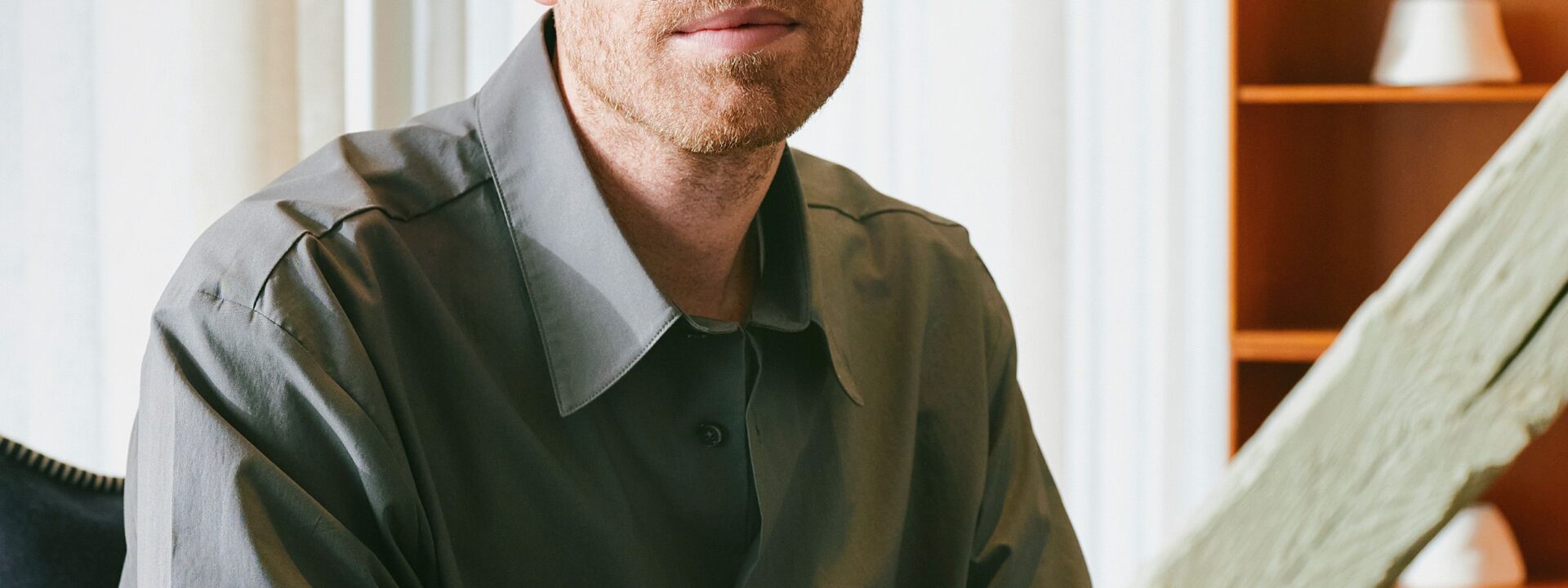
This week’s Scoop is a cozy one, perfect for a relaxed weekend after the Met Gala and Europe’s May bank holidays. Kristoffer Juhl is the co-founder and managing director of Tekla, a Danish homeware brand you might know if you follow quiet luxury influencers on Instagram.
Kristoffer was in London this week for a board meeting and to launch Tekla’s new twill pajama collection. I don’t know much about homeware (though it’s a growing category), so I thought this was a good chance to learn more through a chat.
Hi Kris, what’s the scoop?
I’m in London right now to celebrate the launch of our twill collection. We just had a lovely in-store event with our community, where we explored the history of home clothing and its role in people’s wardrobes.
Are community-driven events a regular part of your launches?
When people feel they’ve learned something, we consider the event a success. But our London store only opened in December, so we’re trying out different ways to connect with our audience here.
Why twill?
Poplin has been a key fabric for us—it makes sleepwear more durable. A few years ago, we also launched satin, which looks beautiful but is heavy. So we wanted something lighter for the warmer months. I think twill is the most comfortable of the three fabrics in our sleepwear line.
How do you know when it’s the right time to expand your product range?
We’re not a trend-driven business. Most of what we offer is for the home, so expanding a category isn’t about dropping everything to rush into something new. Usually, a product has been in development for years, or at least a long time. The twill we launched today was in development for quite a while. We put a lot of work into the quality and details, so when we release something, it’s meant to last.
How often do you introduce a new product or category?
Early on, our collections didn’t follow seasons. Over time, we’ve become more comfortable with certain times of the year that make sense for seasonal items. Summer is a good example—it’s become an important moment for us. We offer a nice range of beach towels, beach bags, and relaxed home clothing, and it’s been well received. This year, we’re actually launching swimwear, which felt like a natural next step for that seasonal focus.
I don’t know much about homeware. What should I know about the category in 2026?
The idea of home is becoming more important to people—it’s a private, safe space. For years, activewear dominated the shift from work to home. Now, people want something more refined. They want clothes that are good enough to wear outside, and they want to express their personality at home too. We’re confident we can help with that.
The twill launch is the first time we’re openly talking about home clothing as a big part of our business. But this is really just the start of a journey that will see many new products over the next 12 to 18 months. We have an exciting roadmap ahead, and we’re also thinking about personal curation.
What are some of the biggest challenges in your supply chain right now?
I’m pretty proud of how we’ve managed our supply chain over the years. We’ve built a foundation by working with preferred partners.We focus on our materials and making sure our products are highly traceable. The challenge now is how to improve from here. Basically, we have a few key constraints to work with. Since our products aren’t seasonal and customers expect them to last 10 years—through washing at 90 degrees, wearing, carrying, and sleeping in them for eight hours a day, week after week—innovation is crucial. Recycled fibers just aren’t advanced enough yet for us to use them confidently while guaranteeing our products’ durability.
So there’s a quality constraint. And there’s also the educational side, which is just as important. As brands, we need to take more responsibility in teaching consumers what’s good and what’s not. There’s a lot of new regulation aimed at stopping greenwashing, but even if that works, customers are still inexperienced. For example, there are many biases about where products are made.
Tell me about 3 Days of Design (3dod), which you’re taking part in this June. Is it like Salone but in Copenhagen?
Oh, it’s wonderful, honestly, you should go. Yes, it’s a design fair similar to Salone. It’s very unique to Copenhagen and easy to access. We’ve been involved almost from the start, when only a handful of brands participated—now, I think it’s around 400 or 500. We put a lot of effort into showing up at 3dod because it can be a very meaningful moment for us; we can reach many people and share beautiful stories. This year, we’re honoring craftsmanship in a more artistic way. We’re in the same space as last year, a museum called Charlottenborg. We feel the exhibition we’ve designed fits perfectly with the space.
How do you define luxury today?
For us, luxury has always been about your personal space and yourself. People are putting more and more effort into their well-being, their home, their sports, their hobbies… It’s all about comfort and well-being, and I don’t think old-school luxury can offer that anymore.
You can catch up on last week’s Scoop with Lucy Delius here.
Frequently Asked Questions
Here is a list of FAQs based on Kristoffer Juhls perspective on the home as the new definition of luxury
BeginnerLevel Questions
1 What does Kristoffer Juhl mean by the home is the new luxury
He means that true luxury is no longer about expensive cars or exotic vacations Instead its about having a home that feels like a sanctuarya place that supports your wellbeing comfort and mental health
2 Why is this idea becoming popular now
The pandemic made us spend more time at home than ever before This shift revealed that a homes quality directly affects our happiness making comfort space and functionality more valuable than material status symbols
3 What makes a home luxurious in this new sense
Its not about marble floors or gold faucets Luxury now means things like natural light quiet rooms for focus cozy zones for relaxation good air quality and a layout that fits your daily life
4 Is this just about expensive renovations
No Juhl emphasizes that even small changeslike decluttering adding plants or improving lightingcan create a sense of luxury Its about intentional design not budget
5 Who is Kristoffer Juhl
He is a design expert and thought leader at Tekla a company known for highquality minimalist home textiles He often speaks about how design affects our daily lives
AdvancedLevel Questions
6 How does this idea change how we should invest in our homes
Instead of spending on flashy decor invest in durable materials ergonomic furniture and flexible spaces For example a highquality mattress or soundproof windows give more daily value than a statement chandelier
7 Whats the biggest mistake people make when trying to create a luxury home
They try to copy a showroom or Instagram aesthetic Juhl argues that true luxury is personal it should solve your problems like creating a quiet corner if you work from home not just looking perfect
8 Can this concept apply to small apartments or rental spaces
Yes Luxury is about experience not square footage In a small space focus on multifunctional furniture good storage and textures that feel soft or warm like wool throws or linen curtains