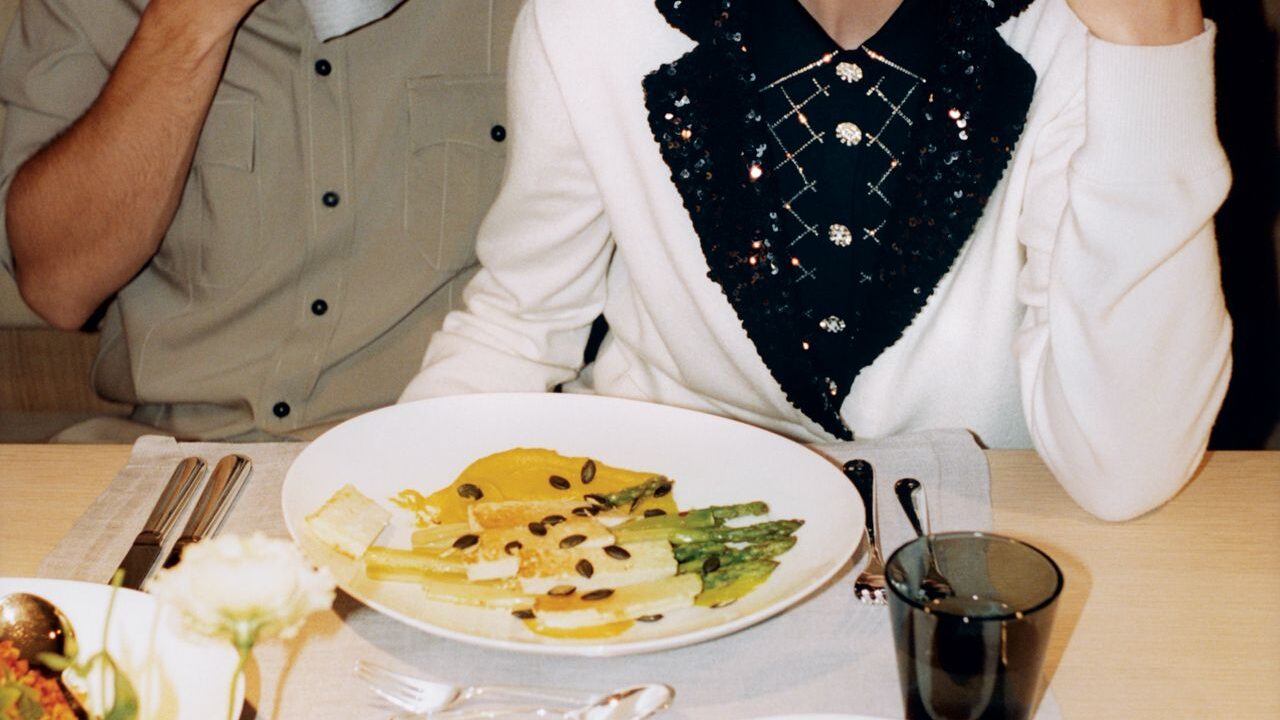
Has any food group ever been rebranded as dramatically as protein? Once associated mainly with gym enthusiasts gulping down egg whites and blended chicken, this macronutrient has now become a favorite for practically everyone—from nutritionists to Gen Alpha TikTokers to parents making protein shakes for their toddlers. The protein craze has grown so intense that it feels like the traditional food pyramid has been flipped upside down, with protein sitting right at the top.
Even in 2026, amid buzzwords like “fibermaxxing” and “ear seeds,” protein remains inescapable. And there’s good reason: experts highlight its role in tissue repair, skin health, aging well, hormone balance, muscle recovery, and keeping you full longer. “Most of us don’t get enough protein,” says biochemist Jessie Inchauspé, also known as the Glucose Goddess. “We need roughly a gram of protein per pound of body weight.”
That all sounds convincing, but I prefer to test things myself before evangelizing (see also: drinking 2.5 liters of water daily, going all-in on aloe vera). So, to start the year, I tried a high-protein diet for two weeks. While I didn’t track protein religiously, I aimed for about 75–90 grams per day. Here’s what happened.
Days 1–5
The first week was the easiest. I happily began each day with two eggs on buttery whole-wheat toast topped with cheese, and looked forward to dinners featuring chicken in all forms—Gochujang chicken with rice, lemon-herb chicken with butterbean mash, jerk chicken with green beans and more rice. By day five, though, I’d had enough chicken and treated myself to a dinner out: one of the best beef burgers I’ve had in ages (around 20g of protein), followed by a giant profiterole (not exactly high-protein, but it contained dairy!).
Days 5–10
Two things became clear at this stage. First, I couldn’t face another piece of chicken or egg (the latter started to give me the ick—what even are they?). Second, I began to feel… solid. Like a human rock. And bored. I realized I’d fallen into a repetitive, uninspired routine.
So, I started choosing meals centered on other proteins: salmon, prawns, chickpeas, feta with lentils, and plenty of Greek yogurt (you won’t catch me eating cottage cheese, no matter how healthy it is). At one point, I made a Malaysian curry packed with cockles—an underrated protein source. I realized a high-protein diet doesn’t have to feel like something out of the “manosphere.” It can be colorful and fiber-rich, too. Thank goodness.
Days 10–14
With more variety on my plate, the diet became easier and more enjoyable. I also started noticing benefits: I literally never felt hungry between meals, had steady energy through the workday, slept through the night, and didn’t experience any new breakouts. I was eating less overall but more efficiently, which meant no late-night fridge raids or 2 p.m. slumps fueled by gummy candy—in fact, that afternoon slump never showed up.
One caveat: aside from some brisk walks, I wasn’t exercising much during this period, which felt a bit odd—loading up on muscle-building foods without actually building muscle. There were also moments when all I really wanted was a simple plate of pasta with olive oil, or a small treat.I was tired of salads and didn’t want another meal centered around meat, cheese, or beans (sometimes a girl just needs her chips and salsa!). Still, after everything, I’m actually feeling convinced to keep up a somewhat high-protein diet from now on—just not as strictly as the last two weeks. Oh, and I should probably get a bit more exercise, too. But one thing at a time.
Is there a beauty or wellness trend you’re curious about? We’d love to hear from you! Email Vogue’s senior beauty and wellness editor at beauty@vogue.com.
Frequently Asked Questions
Of course Here is a list of FAQs based on the topic I tried a highprotein diet for two weeksheres what happened to my skin and body written in a natural conversational tone
Getting Started Basics
Q What exactly is considered a highprotein diet
A Its a way of eating where you intentionally increase your protein intake often aiming for 2535 of your daily calories or 1220 grams of protein per kilogram of body weight It usually involves eating more meat fish eggs dairy legumes and protein supplements
Q Why would someone try a highprotein diet for their skin
A Protein is essential for building collagen and elastin which keep skin firm and supple Some people try it hoping for clearer more hydrated or plumperlooking skin
Q Is two weeks long enough to see any real changes
A Two weeks is enough to notice some initial effects like changes in energy digestion or skin texture but major body composition changes take much longer
Effects on the Body
Q Whats the most common thing people feel in the first week
A Many people report feeling fuller for longer and having fewer cravings especially for carbs and sweets Energy levels can feel more stable
Q Can it help with weight loss
A Yes often Protein increases satiety and has a high thermic effect meaning your body burns more calories digesting it This can naturally lead to eating less and a calorie deficit
Q What are the common side effects or downsides
A In the short term constipation bad breath headaches and feeling unusually thirsty Some people also feel sluggish initially as their body adjusts
Q Will I gain muscle just from the diet
A No A highprotein diet supports muscle growth and repair but you need to do resistance training to actually build significant muscle
Effects on Skin
Q Can a highprotein diet really improve your skin
A It can but its not a magic cure Adequate protein supports skin repair and hydration Some see reduced breakouts by