After six months of waiting for regulatory approval, Prada Group has officially acquired Versace in a $1.25 billion deal, bringing together two of Italy’s most iconic fashion houses, the group announced today.
“We’re ready for this journey,” Prada Group CEO Andrea Guerra told investors on a call following the initial acquisition announcement in April. Lorenzo Bertelli, Prada heir and head of corporate social responsibility, will become Versace’s executive chair.
Analysts say Prada will now finalize financing, complete closing conditions, and formally transfer ownership. Then the real work begins: reviving Versace, a brand rich in history and cultural influence that has struggled commercially in recent years. Here’s what to expect.
Turning Versace Around
Versace has faced significant financial challenges over the past five years. Its revenue fell 15% to $193 million in fiscal 2025, according to former owner Capri Holdings. The brand has actually reported quarterly losses in both revenue and profit since the third quarter of 2024. Capri put Versace up for sale in February after its planned merger with Tapestry was blocked by the U.S. Federal Trade Commission.
Following speculation about a buyer, Prada announced its plan to acquire Versace in April 2025. At the time, CEO Andrea Guerra stated the goal was “sustainable revenue growth in the long term.”
Analysts agree this will require significant effort. “Versace is a big name, but still a relatively small business that should be bigger,” said Neil Saunders of GlobalData, outlining a potential to-do list for the new owner.
Before the sale, at a Capri investor day in February, Versace CEO Emmanuel Gintzburger—who is staying on—highlighted four key focus areas: reinforcing the brand’s core identity, growing accessories sales to $600 million, expanding footwear to $250 million, and increasing men’s market share. Analysts also see potential in new categories like fine jewelry, watches, and homeware.
Prada Group—which owns Prada, Miu Miu, and Church’s—is one of the few luxury players to have largely avoided the recent industry slowdown, positioning it well to strengthen Versace. Group sales rose 9% year-on-year to €4 billion in the first nine months of 2025. While other major conglomerates have seen sales drop over the past two years, Prada has reported 19 consecutive quarters of growth.
Prada’s operational expertise, creative capabilities, and shared Italian heritage make it a strong candidate to steer Versace back on course.
“It’s clear that Versace will now have the opportunity to fully step into our world of industrial production,” Lorenzo Bertelli told Vogue Business during a recent visit to Prada’s artisan academy in Scandicci. “This means not only accessing a more structured manufacturing ecosystem, but also benefiting from processes and expertise that can elevate the brand’s craftsmanship and operational strength.”
However, analysts agree the turnaround cost will impact Prada in the short term. “I do expect early pressures on [Prada’s] margins, given that Versace is currently unprofitable, needs reinvestment, and revenue needs to pick up,” said Morningstar senior equity analyst Jelena Sokolova in early October, noting this recovery will take time. On Prada’s recent earnings call, many analysts cautiously asked about the acquisition’s financial impact, but executives could not comment until the sale was finalized. Based on past schedules, Prada’s next earnings call in March 2026 should provide a clearer outlook.
A New Era Under Dario Vitale
Strategically, analysts hope Prada will re-establish Versace’s authority, wiWith a focus on strong, high-end ready-to-wear, Versace could be on the right track following the appointment of chief creative officer Dario Vitale in March 2025. Vitale was hired just before the Prada Group sale in April, becoming the first non-family member to lead the house, succeeding Donatella Versace. His powerful debut was one of the season’s most talked-about shows, perhaps only overshadowed on the final day of Paris Fashion Week by Matthieu Blazy’s presentation for Chanel.
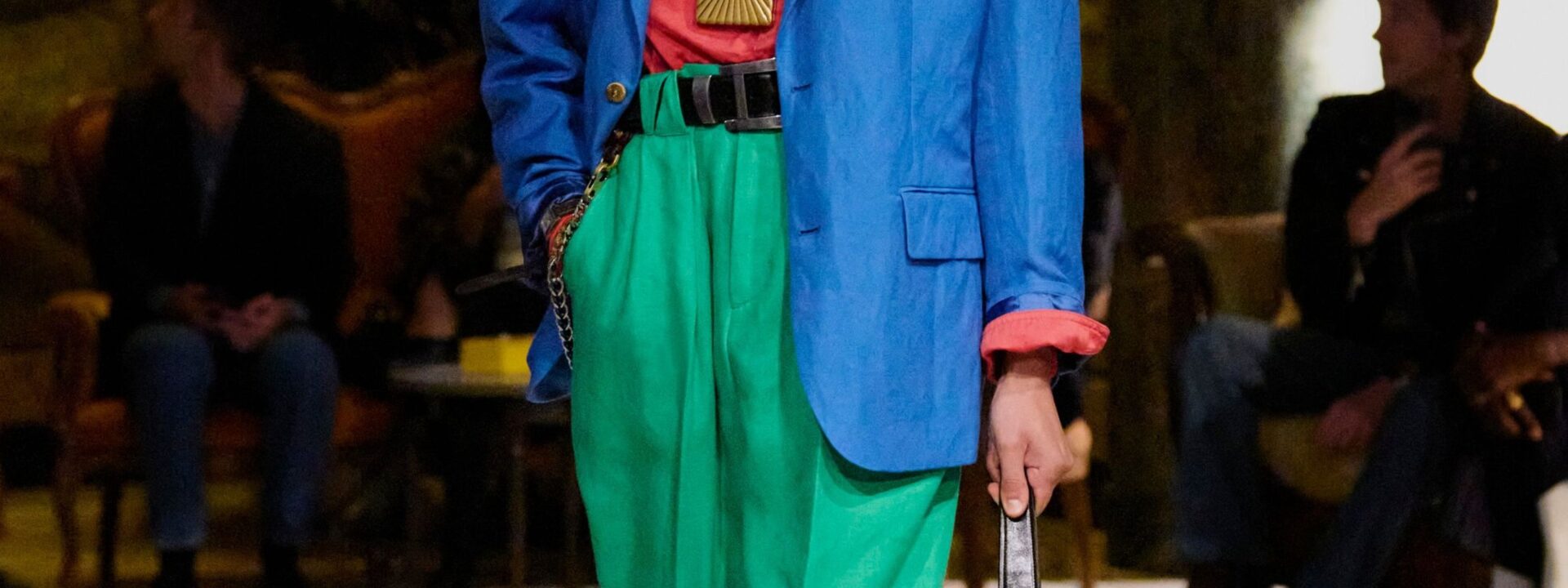
The collection—an ’80s-inspired fever dream of tight, brightly colored denim, separates, and embellished bras and waistcoats (already seen on celebrities like Addison Rae)—was hailed as a season highlight by nearly every buyer Vogue Business spoke with at the end of fashion month, from Mytheresa to Dover Street Market. Vitale’s Versace is also firmly positioned in the luxury category, with prices ranging from €900 for belts to over €26,000 for special gowns, based on early insights from the Moda Operandi trunk show. While one collection alone cannot save a brand, there is strong momentum behind Vitale’s vision as Versace begins its next chapter.
Donatella, who was crucial to maintaining the brand’s cultural relevance even as sales struggled, remains a global ambassador. When the Prada sale was announced in April, she celebrated on Instagram, writing: “I am absolutely delighted for Versace to become part of the Prada family. Gianni and I have always had a huge admiration for Miuccia, Patrizio, and their family. I am honored to have the brand in the hands of such a trusted Italian family business, and I am ready to support this new era for the brand in any way that I can.” Donatella did not attend Vitale’s Spring/Summer 2026 show, which was a late addition to the calendar.
Bertelli sees potential in Versace’s cultural capital—its history and sensibility are what attracted the Prada Group to acquire the house. “Gianni [Versace] was the man who made a traditionally bourgeois, ultra-elite sector suddenly pop. He brought aspiration into a world where aspiration didn’t even exist. In my view, it was a revolution comparable—dare I say—to what Michael Jackson did in music: he took something aspirational and made it wildly popular, glamorous, and culturally magnetic. Versace still has that fascination today,” he said. “It’s completely complementary to the other brands in our group—there’s no overlap in identity, no risk of one stepping on the other’s toes. It’s a universe of its own. That’s why it stood out in a sea of options.”
Vitale’s first Versace collection will arrive in stores early next year as the designer prepares for his second show in February. As Versace aims to firmly reposition itself in luxury, its proximity to Prada and Italian manufacturing will be an advantage.
Frequently Asked Questions
Of course Here is a list of FAQs about the completed PradaVersace deal designed to answer questions from basic to more advanced
Basic Questions The Deal Definitions
1 Wait Im confused Did Prada buy Versace
No Prada did not buy Versace The deal was about Versace buying back a 20 stake in its own company from Blackstone a private equity firm Separately Prada bought the historic building that houses Versaces flagship store in Milan
2 So what was the actual PradaVersace deal
It was two separate simultaneous transactions
Versace Deal The Versace family bought back a 20 stake in their company giving them full 100 ownership again
Prada Deal The Prada Group purchased the Galleria Vittorio Emanuele II building in Milan where Versaces flagship store is located Prada now owns the real estate and Versace will continue to operate its store there as a tenant
3 Why is this such a big deal in the fashion news
Its significant for two reasons Versace is now fully familyowned again a rare move in an industry dominated by large luxury groups and Prada made a major strategic real estate investment in one of the worlds most iconic shopping locations
Intermediate Questions What Happens Next Implications
4 What does full family ownership mean for Versaces future
It gives the Versace family complete control over the brands creative direction business strategy and longterm decisions without needing approval from external financial partners
5 Does this mean Versace wont ever be sold or go public
Not necessarily but it makes it less likely in the short term The family now has the flexibility to choose their own timeline and terms for any future sale or IPO if they ever decide to pursue one
6 What does Prada get out of buying the building
Prada makes a savvy investment in prime luxury real estate generating stable rental income from Versace and other tenants It also strengthens Pradas own presence and prestige in the Milan Galleria right next to its own historic store