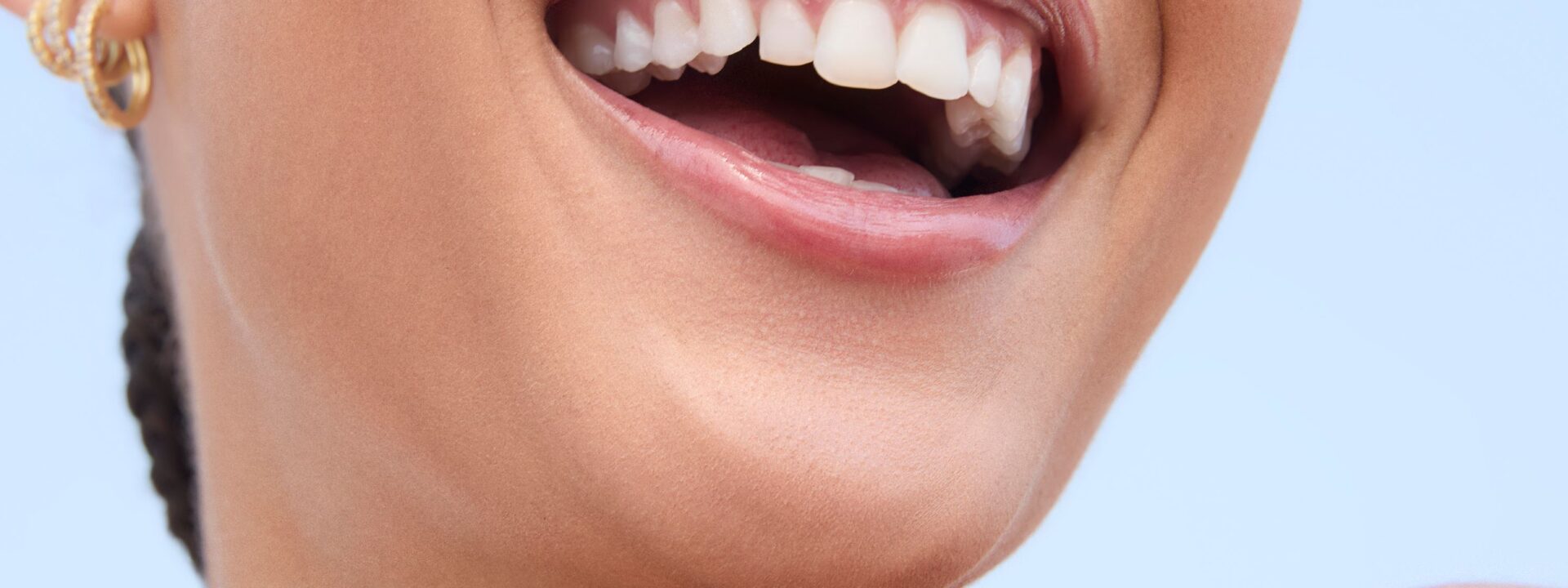
Over the last few months, my skin and I haven’t been getting along. I’ve been dealing with pimples, red spots, and an uneven texture that just wouldn’t clear up, no matter what I tried. I wasn’t sure why it was happening—I just knew I needed help. So when I got the chance to try microdermabrasion at Beautery Munich, I didn’t hesitate. And it completely transformed my skin.
What is microdermabrasion?
“Microdermabrasion is a noninvasive treatment that uses aluminum oxide crystals to exfoliate the outer layer of skin,” explains board-certified dermatologist Dr. Maryam Safaee. “It works on both the surface and deeper layers by boosting collagen production and thickening the skin.”
In the U.S., microdermabrasion is one of the most popular nonsurgical treatments at medspas and dermatology offices. It was first introduced in 1985 as a gentler alternative to chemical peels. A 2023 review of its benefits notes that it’s minimally invasive and can help even out skin tone, brighten complexion, reduce dark spots and wrinkles, clear out pores, and improve skin smoothness.
What are the benefits?
“Right after the treatment, skin looks smoother and fresher. Fine lines, small imperfections, and slightly enlarged pores are visibly reduced, and the skin’s overall appearance is refined,” says Evi Weidel from Beautery Munich, who performed my treatment. She adds that skin usually feels much softer afterward and absorbs skincare products better. “Over time, regular treatments can stimulate collagen production and sustainably improve the skin’s appearance.”
According to the same review, microdermabrasion can also help with uneven tone and texture, sun damage, stretch marks, melasma, and scars—including acne scars. Many patients notice a healthier glow.
The treatment is safe for all skin types. “It’s great for anyone looking to improve pigmentation, signs of sun damage, or uneven texture,” says Dr. Safaee. “Because there’s little downtime and low risk of complications, it’s a popular choice for overall skin rejuvenation.”
How long do results last?
“The immediate ‘fresh’ feeling usually lasts a few days to a week,” Weidel explains. For longer-lasting results, she recommends repeating the treatment every two to four weeks, depending on your skin type. “With consistent care, skin texture can stay refined.”
What’s the treatment like?
My session took about an hour and was quite relaxing. First, my skin was thoroughly cleansed, then prepped with a gentle enzyme peel that tingled slightly as it loosened dead skin cells.
Next came the microdermabrasion itself. “A special handpiece applies fine crystals to the skin and immediately suctions them away. This removes the top layer of dead skin cells in a controlled way and boosts circulation,” Weidel explains. I felt a mild tingling and light suction as the handpiece moved across my face, but it was comfortable.
Afterward, my skin was soothed with a cooling mask left on for several minutes, followed by skincare products and, of course, sunscreen.
Microdermabrasion aftercare tips
There’s no downtime after microdermabrasion, but aftercare is important. Keep these points in mind:
1. Sun protection is essential: “Skin is more sensitive to UV rays after treatment. Use a high-quality sunscreen with at least SPF 30 every day, even in winter or on cloudy days,” advises Weidel.
2. Use gentle skincare: Avoid harsh products like retinoids or strong acids for a few days after treatment. Stick to mild, hydrating formulas to help your skin recover.After your microdermabrasion treatment, follow these tips for the best results:
1. Avoid harsh products: Skip aggressive peels, acids, or retinol for the first 24 to 48 hours. Opt for soothing, moisturizing skincare instead.
2. Be gentle when cleansing: Don’t rub your skin. Cleanse gently with lukewarm water or a mild cleanser.
3. Skip intense heat: Avoid hot showers and saunas, as heat can irritate the skin. Stick to lukewarm water.
4. Go light on makeup: Let your skin breathe right after the treatment. If you must wear makeup, choose light, non-comedogenic products.
5. Moisturize thoroughly: Use hydrating creams, serums, or masks to soothe the skin and support its recovery.
6. Use a clean pillowcase: Change your pillowcase after your treatment to avoid exposing your skin to bacteria and help prevent new breakouts.
How Microdermabrasion Changed My Skin
The treatment itself was pleasant and completely painless. I had no plans for the rest of the day, so I didn’t need makeup—but I really didn’t need it anyway. My skin was radiant and even-toned immediately after, with no redness. That evening, I gently cleansed my face and applied my usual moisturizer, and of course, changed my pillowcases.
By the next morning, I saw the full results: my pores looked finer, my skin more even, and it had a beautiful glow. With just a little makeup, my pores were almost invisible and I hardly needed foundation. It was as if someone had put a soft-focus filter on my skin.
A week later, I did an at-home fruit acid peel using Drunk Elephant’s T.L.C. Framboos Glycolic Night Serum to enhance the effect. My skin tolerated it perfectly and the glow intensified even more.
In fact, my skin has been better overall since the treatment. I typically get a breakout during my cycle, but I haven’t had one in the two months since. My updated skincare routine has also helped—I now use Skinceuticals C E Ferulic Serum in the morning and their Advanced RGN-6 Cream morning and night. Combined with the microdermabrasion, my skin is in the best shape it’s been in for a long time. I will definitely be getting this treatment again.
Who Is Microdermabrasion Suitable For?
Microdermabrasion is generally recommended for anyone wanting to refresh dull, tired skin. According to Weidel, it can also benefit those with slight pigmentation irregularities, sun damage, coarse texture, or mild scars. People with normal to slightly sensitive skin and no active inflammation are good candidates.
However, the treatment is not suitable for everyone. Weidel advises against it if you have:
* Active skin infections, inflamed acne, or open wounds.
* Severe rosacea, eczema, or highly inflamed skin.
* Skin that has recently undergone an aggressive chemical peel or laser treatment.
* Very sensitive or thin skin that is prone to irritation or redness.
* Pregnant women and those with conditions like psoriasis or severe vascular issues should consult a doctor first.
Have a beauty or wellness trend you’re curious about? Let us know! Email Vogue’s senior beauty & wellness editor at beauty@vogue.com.
Frequently Asked Questions
Frequently Asked Questions About Microdermabrasion
Basics Getting Started
What is microdermabrasion
Its a noninvasive inoffice skin treatment that uses a special device to gently exfoliate the top layer of dead skin cells revealing smoother brighter skin underneath
What does it feel like Is it painful
Most people describe it as a mild gritty vibrating sensationlike a deep vacuuming of the skin Its generally not painful though you might feel some mild sensitivity especially on thinner skin areas
How long does a session take
A typical treatment on the face takes about 30 to 60 minutes making it an easy lunchtime procedure
Who is a good candidate for microdermabrasion
Its great for people looking to improve skin texture reduce dullness minimize fine lines lighten mild hyperpigmentation or unclog pores Its generally safe for most skin types
Who should avoid it
People with active acne breakouts rosacea eczema open wounds sunburn or very sensitive skin should avoid it or consult a dermatologist first
Benefits Results
What are the main benefits I can expect
Common benefits include smoother texture reduced appearance of fine lines and enlarged pores a more even skin tone diminished dark spots and a healthy radiant glow
How quickly will I see results
Youll see an immediate glow and smoother texture right after the first session For more significant lasting improvements a series of treatments is typically recommended
Will it help with acne scars
It can help improve the appearance of very superficial mild acne scars by smoothing texture For deeper scars other treatments like laser resurfacing are usually more effective
Can it get rid of wrinkles
It can soften the look of fine lines and superficial wrinkles by removing dead skin and stimulating collagen but it wont erase deep wrinkles
The Process Aftercare
What should I do to prepare for a treatment
Avoid sun exposure tanning and using strong exfoliants for about a week beforehand Arrive with a clean makeupfree face