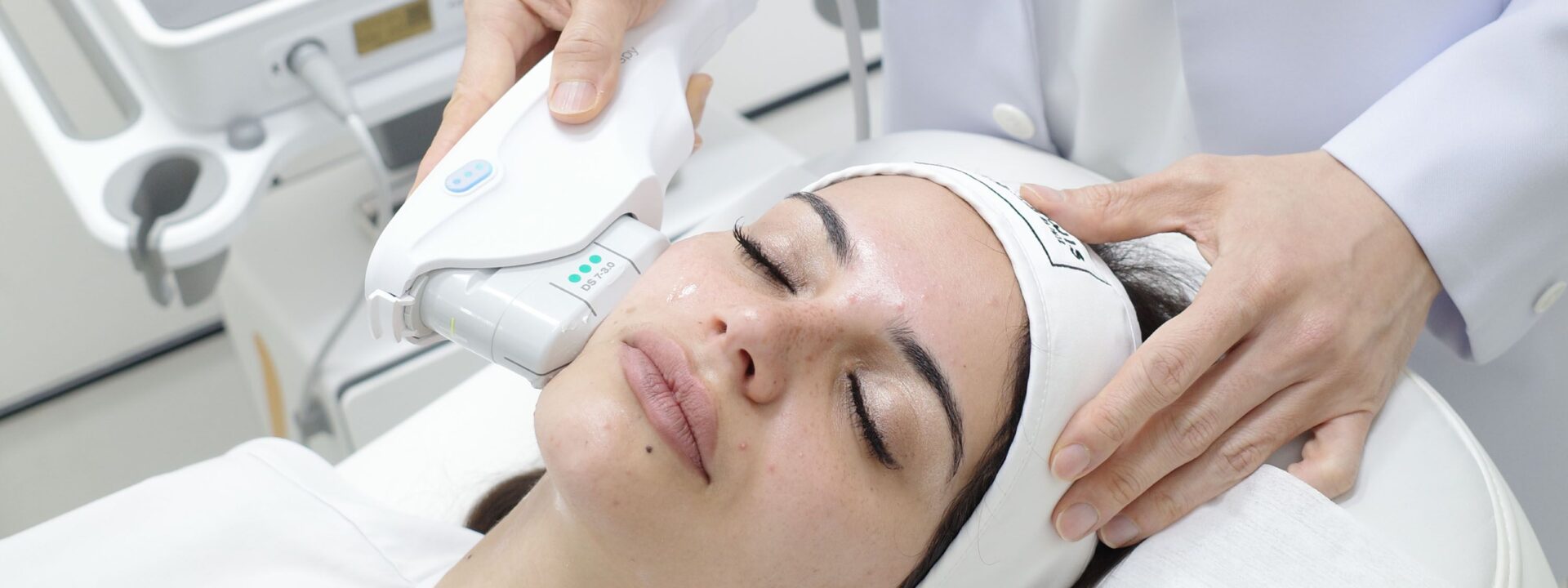
When Kim Kardashian recommended Dr. Dissapong Panithaporn, known as Dr. Joe, and his Bangkok aesthetic clinic, The Demis, to her 350 million Instagram followers last October, it marked a turning point. Her endorsement sent Western beauty enthusiasts searching online and confirmed what industry insiders already knew: Thailand’s beauty and aesthetics industry is entering a major growth phase.
With over 6,600 government-registered aesthetic clinics, Thailand is now Asia’s second-largest hub for aesthetic medicine after South Korea. The Thai Medical Hub Board predicts the market will be worth $7.51 billion by 2027. Following the boom in South Korea’s “glow-up trips,” Thailand is increasingly seen as the next top destination. Foreign patients now make up nearly 30% of The Demis’s clientele, up from just 10% two years ago, with demand expanding from Asia to Europe, the U.S., and the Middle East.
“Japan and South Korea have long been recognized as leading destinations for beauty and aesthetic medicine,” says Hiromi Yamaguchi, a research manager at Euromonitor International. “However, Thailand has emerged as a powerhouse in medical tourism, accounting for 44% of total medical tourism in Asia-Pacific.” This is due to its cost competitiveness, strong healthcare infrastructure, and reputation as a holistic wellness destination. Many hospitals and clinics hold Joint Commission International accreditation, further reinforcing Thailand’s image for quality and safety.
Cultural influence is also growing. Thai actors, such as KinnPorsche stars Phakphum Romsaithong and Nattawin Wattanagitiphat, along with pop figures like Blackpink’s Lisa, have become more influential globally in fashion. During the Spring/Summer 2026 season, Thai talent dominated the earned media value (EMV) rankings across the four major fashion capitals, making up six of the top 10 influencers, up from four the previous season. (EMV is calculated as $1 per Instagram like on fashion week content.)
This visibility has helped globalize swai meiku, a distinctly Thai beauty ideal characterized by luminous, bronzed skin, softly sculpted features, and polished soft glam. “Thailand is evolving from a trend follower to a trendsetter, developing a unique T-beauty identity that blends global influences with local styles,” says Marian Pagulayan, a researcher at Mintel. “Gen Z is leading this shift, increasingly supporting local brands inspired by global trends,” she adds, pointing to beauty brands like Cathy Doll, Oriental Princess, and 4U2.
However, unlike K-beauty, which has been fully integrated into Western markets, Thai beauty has not yet achieved the same scale. Korean brands are so dominant globally that Sephora recently partnered with Seoul’s leading beauty store, Olive Young, while retailers like Cult Beauty feature permanent K-beauty sections. Thai beauty remains largely absent from Western shelves, despite growing recognition of its clinics and stars. What will it take for T-beauty to become a truly global category?
What makes T-beauty distinct?
If K-beauty is defined by innovation and technology, T-beauty sets itself apart through heritage and a holistic approach. Rooted in Thailand’s tropical climate and wellness traditions, it combines advanced aesthetic medicine with herbal botanicals, natural oils, and an inside-out philosophy that views beauty as preventative rather than corrective. Ingestible beauty is a key part of this approach, with collagen drinks, vitamin C shots, functional jellies, and nutraceutical snacks widely available in convenience stores, pharmacies, and clinics.
This holistic mindset shapes the entire patient experience,At The Demis’s Siam Square One branch, a cosmetic appointment feels more like a luxury hospitality experience than a medical visit. Upon arrival, I was offered food, a massage, a cup of coffee with my face printed on it, and a complimentary cryo facial during my stay. “We pay attention to every detail—not just for your face, but for your mind and soul,” says Dr. Joe. “As Buddhists, we believe that inner calm reflects outward in your beauty.” Each appointment at The Demis comes with personalized coffee, massage, and food.
This holistic approach extends beyond clinics to Thailand’s massage culture, which has long been central to its wellness economy. Traditional Thai massage incorporates herbal compresses, oil therapies, and pressure-point techniques, viewed more as functional than indulgent—supporting circulation, lymphatic drainage, and stress regulation. Increasingly paired with aesthetic procedures, these therapies reinforce T-beauty’s core idea: beauty as an interconnected system, not a single step.
“It always comes back to history,” says Ash, general manager of the Pañpuri Spa at Park Hyatt Bangkok. “These practices have been passed down for generations.” Founded in Thailand, Pañpuri has grown into one of the country’s leading luxury wellness brands, with multiple spa and retail locations across Bangkok and key resort destinations, where its products and treatments are woven into soothing massage experiences. “Wellness culture is deeply ingrained here. For many Thai consumers, products like ours are first discovered in spa settings. That’s why we partner with hotels like Park Hyatt,” he adds, noting that international guests are increasingly seeking out Thai-specific treatments and wellness brands.
Pañpuri’s products use locally sourced botanicals—from jasmine grown in the northeast to mint and bergamot from Chiang Mai—handpicked and blended in Thailand. The brand’s approach reflects a broader Thai strategy: leveraging local origins and botanical knowledge as both cultural capital and a commercial edge.
That strategy is gaining relevance. The global herbal market was valued at $60 billion in 2024 and is projected to reach $78 billion by 2029, according to the Thai Ministry of Commerce. Here, ingredients like turmeric, centella asiatica, mangosteen, and tamarind—long staples of Thai traditional medicine—are being repositioned as science-backed actives in skincare and wellness. Local brands such as Gravich, Fyne, Dr. Pong, and Snail White are translating these principles into Gen Z-friendly formats, pairing botanical heritage with TikTok-savvy branding. Butterfly pea flower, traditionally used in herbal teas and hair rinses, has also resurged as a TikTok favorite for its antioxidant and soothing properties, appearing in hair and scalp treatments from heritage pharmacy brand Abhaibhubejhr and in calming skincare and aromatherapy lines from Pañpuri.
In-clinic treatment prices further set the market apart. Thailand’s affordability allows aesthetic businesses to serve much higher patient volumes than their Western counterparts, honing expertise through repetition. “We have a huge outpatient database,” says Dr. Joe. “We photograph every patient and regularly review outcomes to improve our techniques.” The Demis’s image archive for its most popular treatment, Ulthera Prime, now holds over 300,000 results.
What would it take for T-beauty to scale?
Despite growing cultural visibility, most T-beauty brands remain relatively underrepresented in Western markets.What makes this moment particularly resonant is timing. T-beauty’s focus on balance, botanicals, and inside-out wellness coincides with a surge of interest in traditional healing systems on TikTok. Western audiences are embracing rituals like ear seeding, somatic practices, herbal tonics, and routines that respect natural circadian rhythms. As ingredients such as mugwort and centella gain popularity, the platform is effectively re-educating consumers—preparing global audiences for a beauty philosophy Thailand has been refining for decades.
Still, cultural alignment alone doesn’t guarantee commercial success. Many of Thailand’s most recognizable ingredients are already familiar to Western consumers but aren’t yet strongly linked to Thai beauty. Centella asiatica, for example, has become ubiquitous through K-beauty and dermatological cosmetics, leaving Thailand without clear ownership of the ingredient in the global mind. Meanwhile, ingestible beauty products face much stricter regulatory scrutiny and education barriers in the UK and US compared to Asia.
This has led some Thai brands to adopt hybrid strategies. “The fusion of Korean technology with Thai ingredients is creating world-class hybrid products for the region,” according to Mintel’s 2026 Thai Consumer report. “Thailand is positioning itself as an innovation and export hub for beauty in Southeast Asia, leveraging local success stories for global recognition.” Brands like Srichand illustrate this approach in practice. While deeply rooted in Thai heritage and ingredient knowledge, the brand has increasingly collaborated with Korean laboratories and formulation partners to refine textures, stabilize active ingredients, and meet international testing standards.
One obstacle to gaining a more global footprint is awareness. Western retailers, key to international expansion, are still heavily invested in the K-beauty wave. While they are always looking for the next big trend to attract customers, multi-brand beauty stores remain hesitant to invest heavily in a new movement right now, says Suzanne Scott, global associate beauty director at Seen Group.
However, Scott believes there is a clear opportunity for growth. As global temperatures rise and city living intensifies, demand is shifting toward products that feel lighter on the skin and maintain comfort throughout the day. “As the rest of the world warms, there’s growing interest in products that wear well in challenging environments,” she says. “Texture and sensory performance are areas where Thai beauty can really excel. Domestic products are designed for climates the rest of the world is now experiencing more frequently—technologies that deliver hydration without heaviness, SPFs that stay put, and makeup that holds up in high heat and humidity are exactly what Western markets are looking for.”
That performance-led appeal is complemented by playful branding that aligns with current consumer behavior. “Brands like Gentle Colors and Cathy Doll have cute, collectible aesthetics,” Scott adds. “With the recent hype around toy-driven culture and ‘kidult’ consumption, I can see brands like these resonating strongly with Western consumers.”
Thailand might not replace Seoul as the world’s most technologically advanced beauty capital, but it doesn’t need to. Instead, it is carving out a parallel center of influence—one rooted in heritage and holistic wellness, yet distilled into globally scalable products backed by aesthetic science.
Frequently Asked Questions
FAQs Could Thailand Become the Next Global Hub for Beauty and Cosmetics
BeginnerLevel Questions
What does it mean to be a global hub for beauty and cosmetics
It means a country becomes a central internationally recognized leader in the industryknown for manufacturing innovation research trendsetting and exporting products worldwide similar to how South Korea is known for Kbeauty
Why is Thailand even being considered for this
Thailand has a strong foundation a wellestablished spa and wellness tourism industry a reputation for highquality natural ingredients and a growing domestic market passionate about beauty and personal care
What are Thailands main advantages in this industry
Key advantages include
Rich Biodiversity Access to unique natural ingredients
Tourism Wellness Reputation Millions visit for spa and medical tourism creating a builtin testing and marketing ground
Strategic Location A gateway to the fastgrowing ASEAN market
CostEffective Manufacturing Competitive production costs without major sacrifices in quality
Cultural Creativity A strong aesthetic sense seen in design fashion and traditional herbal knowledge
Are there any popular Thai beauty brands now
Yes Brands like Mistine SnailWhite Oriental Princess and BSC have strong regional followings and are expanding internationally
Advanced Strategic Questions
What are the biggest challenges Thailand faces in becoming a global hub
The main hurdles are
Brand Recognition Building global brand prestige to compete with French luxury or Korean innovation
Regulatory Hurdles Navigating different international safety and certification standards for export
RD Investment Moving from traditional knowhow to cuttingedge sciencebacked cosmetic research and innovation
Intense Competition Competing with established giants and rising players like China
How does Thailands biocirculargreen economic model help
The BCG model promotes using natural resources sustainably This aligns perfectly with the global clean and sustainable beauty trend allowing Thailand to market ecofriendly products from upcycled ingredients with a compelling story
Is Thailand focusing on a specific niche within beauty
Thailand is strategically positioned