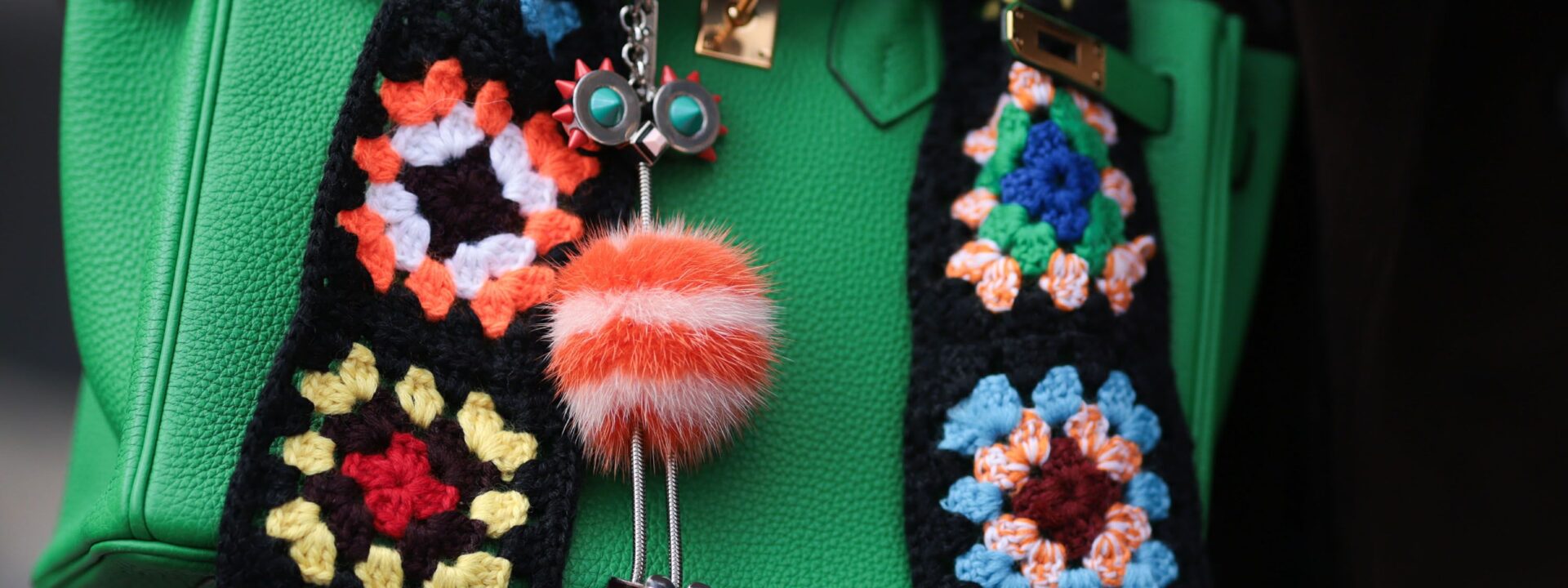
TikTok Shop wants shoppers to know they can buy used Birkins, mini Kelly bags, Rolexes, or even ultra-rare Air Force 1 sneakers directly on its platform. The question is: will they?
The social media company first launched a pre-owned luxury category in the UK in 2023, expanding to the U.S. a year later. Now, in an effort to compete with established luxury resale platforms, TikTok is partnering with creators to position itself as a credible destination for secondhand shoppers willing to spend thousands. So far, TikTok reports selling more than 20 Birkins on its platform in 2025, with that number continuing to grow.
A major challenge will be authenticity. On TikTok Shop, individual sellers and businesses pay fees to operate but handle their own shipping. They can sell through shoppable in-feed videos, live streams, the TikTok Shop tab, or creator collaborations. To combat counterfeits, TikTok requires sellers of pre-owned luxury bags, luggage, accessories, and footwear to upload a Certificate of Authenticity from an approved third-party or in-house service within 24 hours of an order—otherwise, the order is canceled. However, as other resale platforms have shown, such measures alone don’t always convince buyers.
“As more resale activity moves to a platform like TikTok, it’s really going to come down to trust in the seller and who they are,” says Sky Canaves, a principal retail and e-commerce analyst at Emarketer.
The potential payoff is significant. U.S. social commerce sales are projected to surpass $100 billion next year and reach nearly $140 billion by 2028, according to Emarketer. A recent report from Boston Consulting Group and Vestiaire Collective also notes that the secondhand fashion and luxury market is growing three times faster than the primary market. While estimates vary, confidence in the sector’s long-term growth remains strong. Affordability is the top driver, cited by nearly 80% of respondents in the report as a key reason for buying secondhand. As luxury brands continue raising prices, they are pushing aspirational shoppers toward resale competitors, Canaves adds.
Gen Z’s love for resale—driven by a desire for variety, uniqueness, and the thrill of the hunt—aligns well with TikTok’s strengths. Given TikTok’s dominance of the generation’s screen time, its move into luxury resale feels like a natural next step.
With the broader resale industry projected to reach $360 billion by 2030, can a platform once known for dupes build real credibility in the competitive luxury resale market? And how might TikTok Shop, and social commerce more broadly, reshape how we buy and value pre-owned luxury in the years ahead?
Creators as Credibility Builders
To build trust, TikTok is turning to its most powerful resource: content creators. “From a psychological standpoint, a familiar content creator may function as a trust proxy,” says Dr. Carolyn Mair, a fashion business consultant and author of The Psychology of Fashion. “Consumers often feel they ‘know’ the creator and may transfer that trust to the product or platform being promoted. On TikTok, where informal, personable videos create a sense of immediacy and honesty, this effect can be especially strong.”
Over the past few months, TikTok Shop has been reaching out to creators to collaborate with in-app luxury resellers. Miriam Young, a talent manager at influencer firm Digital Brand Architects, spoke with a TikTok Shop representative who was looking for smaller, fashion-focused creators with strong conversion rates to host 30-minute live streams with secondhand luxury retailers. In these sessions, creators show and discuss their favorite items from the stores and earn a commission on any sales made.Those items typically sell for between 20% and 30% off. Combining TikTok Shop with TikTok Live streams can be highly profitable. Melissa Bohm, a luxury reseller from Philadelphia known as Melissa Loves Bags, started live streaming on TikTok after the platform reached out to her in 2022. This was two years before TikTok Shop officially launched pre-owned luxury as a category in the U.S., indicating the company had been planning this expansion for some time. Since switching to TikTok Shop from Tradesy—which was acquired and quickly shut down by Vestiaire Collective in 2022—Bohm has grown her following from 200 to over 60,000, with many regularly engaging with her content and purchasing her products. She says the biggest difference between TikTok Shop and other platforms is its sense of community. “It feels like you’re a group of friends hanging out and discovering designer bags together,” Bohm explains.
TikTok reports selling more than 20 Birkins on its platform in 2025.
Shopping alongside hundreds or thousands of online peers can serve as a form of social validation. “It’s like social proof that an item is popular,” says Ben Gallagher, director of brand marketing at Fashionphile and former co-founder of Luxe Collective. The live streams also have an educational or customer service element. Gallagher and Bohm have noticed users frequently ask questions about brands, the selling process, and returns, which deepens the trust buyers place in the creators they follow.
Challenges Ahead
TikTok Shop still faces an uphill battle to become a leading player in luxury resale. The same community atmosphere that drives its live streams can also encourage impulse buying. “TikTok collapses the discovery and decision-making process, so you see the item, hear the story, feel the emotions, and then buy it—all in one window,” notes fashion psychologist Jennifer Heinen. Impulse buying, in turn, leads to more returns—an issue the resale industry already struggles with due to its unique inventory, and one that TikTok Shop actively discourages.
The one-of-a-kind inventory also creates operational challenges. “TikTok is all about freshness,” says Gallagher. “If I need to show 150 products in each live session, that’s quite tough for a business model with single-SKU products.”
In terms of perception, some still view TikTok Shop as a mix of cheap dupes and knock-off products. This reputation is fueled by a recent wave of AI-driven scammers attempting to list fake brands and products on the platform. A November report from TikTok claims the company rejected 70 million products and removed 700,000 sellers for policy violations in the first half of 2025. As TikTok Shop enhances its luxury resale features and technology evolves, there’s a risk these scams could become more frequent and sophisticated.
To combat counterfeiting, TikTok requires sellers of pre-owned luxury bags, luggage, bag accessories, and footwear to upload a Certificate of Authenticity from an approved third-party agency or its own authentication service within 24 hours of an order being placed.
Geographic limitations may be the most frustrating hurdle for entrepreneurs. Accounts can only sell domestically, which restricts their customer reach and raises questions about how tariffs will be handled if and when the marketplace expands internationally. All of this points to a shifting luxury resale ecosystem that is trying to define its next phase.
Experts believe TikTok Shop is likely to boost consumer awareness and engagement with resale. “TikTok content as a whole feeds into the resale boom because more content is being created around resale,” says Emarketer’s Canaves. “Not just people selling products, but also posting content that gives others ideas on how to become sellers themselves.” More sellers, of course, strengthen the resale ecosystem.By expanding product availability and making it easier for buyers to find what they’re looking for, the future of luxury resale will be defined by the luxury experience itself. While technology and broader economic trends are changing how we shop, that experience may differ from what it once was. For Gen Z, fashion is both entertainment and a form of self-expression—they enjoy the thrill of the hunt and value a great deal. Luxury resale naturally appeals to these desires, and so does TikTok Shop.
Frequently Asked Questions
FAQs Is TikTok Shop Prepared for the HighEnd Resale Market
BeginnerLevel Questions
What is the highend resale market
Its the buying and selling of preowned luxury goods like designer handbags watches jewelry and highfashion clothing often at a lower price than brandnew items
What is TikTok Shop
TikTok Shop is a feature within the TikTok app that allows creators and businesses to sell products directly to users through live streams videos and a product showcase tab
Why would anyone sell luxury items on TikTok Shop
Sellers go where the audience is TikTok has a massive engaged user base especially among younger demographics who are increasingly interested in luxury and sustainable shopping It offers a dynamic way to showcase items through video
Is it safe to buy expensive things on TikTok Shop
It requires caution While TikTok has buyer protection programs the platform is still new to highvalue transactions Theres a higher risk of counterfeits or scams compared to established luxury resale platforms Always research the seller thoroughly
How can I tell if a luxury item on TikTok Shop is authentic
Look for sellers who provide detailed clear videos of the item including closeups of logos serial numbers stitching and materials Reputable sellers often have authentication certificates or mention their authentication process Be very skeptical of prices that seem too good to be true
Advanced Practical Questions
What are the biggest challenges for highend resale on TikTok Shop
Key challenges include 1 Trust Authentication Building consumer confidence for 1000 purchases is difficult 2 Platform Mechanics The fastpaced entertainmentdriven vibe doesnt naturally align with considered highvalue purchases 3 Seller Expertise Many sellers are new to luxury commerce and its complexities 4 Search Discovery Its harder for buyers to consistently find specific luxury items compared to dedicated resale sites with robust filters
How does TikTok Shops buyer protection handle highvalue items
TikTok Shops policies generally cover items up to a certain value but these limits may be lower than the price of many luxury goods The dispute process for a 2000 bag is untested at scale which is a significant concern for buyers