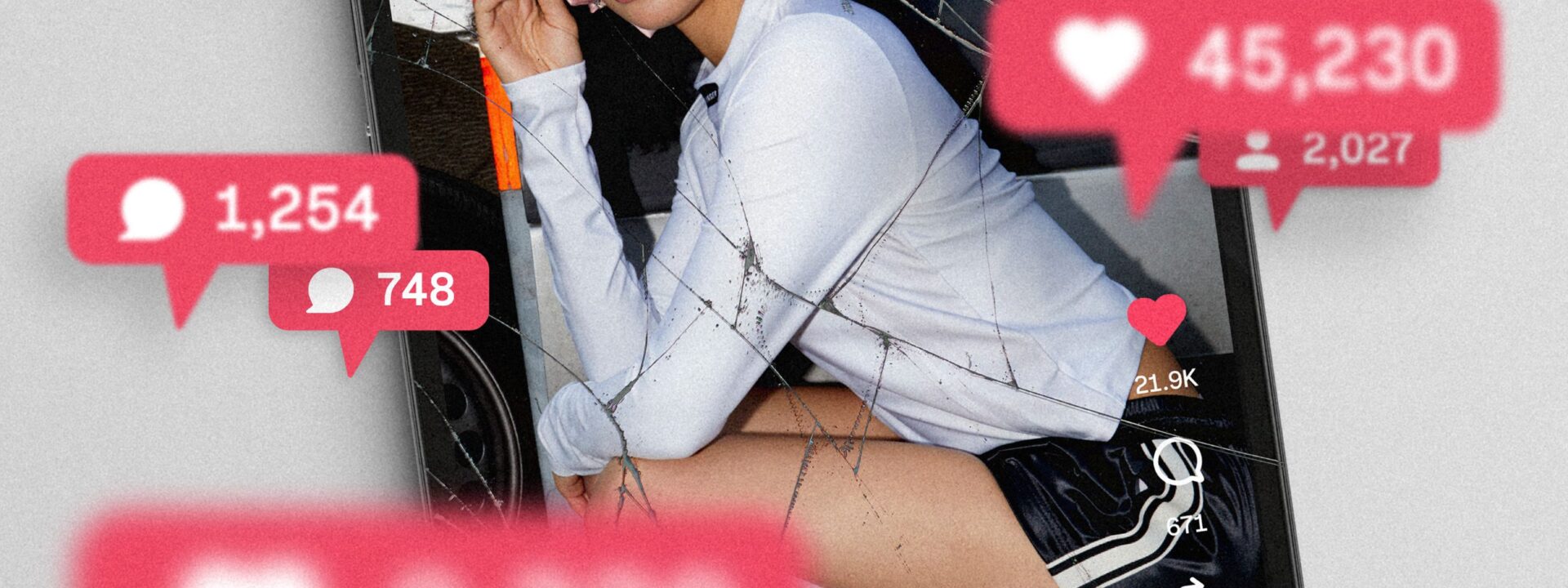
In 2026, content is everything—and that’s a bit unsettling for both influencers and the people consuming it. Even though the urge to engage or be engaged is still strong, standing out is tougher than ever, and the competition among creators has never been more intense. We’re constantly feeling like we’re being sold to, or that we need to sell ourselves, which has become a normal part of daily life in this hyper-online age. At the same time, what counts as “good content” keeps shifting as culture evolves.
That said, creators are still a smart investment in 2026, with big potential payoffs. Right now, the global creator economy is worth around $250 billion, and Goldman Sachs predicts it could hit $480 billion by 2027. In the US alone, ad spending on creators is expected to reach $44 billion this year, according to the Interactive Advertising Bureau (IAB). Measuring return on investment (ROI) is still notoriously tricky for brands, but on average, every $1 spent on creators brings in $5.78 in revenue, per CreatorIQ.
For fashion brands, working with creators is no longer just a side note to media budgets—it’s become one of the most valuable channels. A recent CreatorIQ study found that across the US and UK, 77% of marketers say creator content performs better than traditional branded ads. Over the past decade, the creator space has shifted from static outfit photos to video, and from polished looks to raw, low-fi styles. Meanwhile, micro-influencers have thrived in a crowded market by focusing on specific niches. On paper, the future looks promising, but the risks are high.
“Lately, it feels like going to a brand with a full creative plan already mapped out works better than just pitching yourself as a creator who wants to make content for a new launch,” says creator Sara Camposarcone.
But what’s the reality on the ground? CreatorIQ reports that the average annual income for creators worldwide in 2025 was $44,293—below the US average salary of $64,505. The agency also found that only 11% of creators earn six figures, and the top 10% take home 62% of all creator payments. In other words, most people struggle to gain market share, so being a full-time influencer is only realistic for a small few. “Many creators are still piecing together income from multiple streams rather than relying just on sponsorships,” says CreatorIQ CEO Chris Harrington.
Beyond juggling different income sources, influencers are increasingly treated as on-call cultural advisors, expected to go through strict approval and feedback loops. The role has grown into a broader, all-consuming lifestyle where anything can be turned into romanticized content, blurring the line between work and personal life. This makes burnout a constant worry.
“I think brands now care more about the community you’ve built around you and how much of a cultural staple you are.”
The biggest hurdle for creators trying to break through, though, is consumer fatigue. “There’s definitely a risk that people get overwhelmed by the sheer number of creator ads in their feeds, and the spark that makes creators such valuable partners to brands gets lost,” says Vera Sidlova, global creative director at Kantar. She notes that for every 10 posts that seem like hits on a platform, about eight won’t make much of an impact. As a result, brand expectations have gone up too.
Leo Mandella, an influencer who rose to fame during the early fit-pic days, highlights this change. “Back in 2015, it was more about looking up to someone. Now, I feel like followers want to be alongside the creators,” he says. “I think brands now care more about the community you’ve built around you and how much of a cultural staple you are.” Cora Delaney, Mandella’s longtime manager and founder of the creator and creative agency EYC LTD, agrees: “It used to be all about follower counts. Now, it’s about influence that actually influences.”Consumers are growing tired of inauthentic or copy-paste content, so brands are changing how they measure success, while influencers are feeling the strain and burning out under pressure. Experts agree that getting it right requires taking risks, and the winners will go beyond the old playbook.
A new set of demands
“I see the current moment as a reset rather than a decline,” says Haley Ferrini, tech and media analyst at Mintel. “Consumers are not turning away from creators themselves. They are rejecting content that feels generic, overly scripted, or disconnected from real life.” According to Mintel, consumers are more likely to trust creators who don’t constantly try to sell them something (29%), show relevant expertise (26%), and share a similar background or interests (26%). In this context, real opinions, lived experience, humor, messiness, and taste thrive, with personal stories being the most enjoyed content format (44%), followed by product reviews and recommendations (40%).
US-based influencer agency Billion Dollar Boy knows this well. “When every video feels like a disguised TV commercial interrupting their feed, viewers swipe away,” says CEO Edward East, pointing to proprietary research that shows a 42% drop in organic view rates on Instagram when content leads with a product pitch.
In this way, brands working with influencers need to give more creative control to the talent, and the talent needs to step up, acting more like a creative marketer, armed with insights that prove their approach works. “The demand over the next few years, I believe, comes down to how well a creator’s worldview matches their commercial acumen,” says Eve Lee, founder of marketing agency The Digital Fairy. “This is what we call ‘creator intelligence’. We’re currently bringing creators to the table to build brand strategies, so we move from ‘Can you make content?’ to ‘Can you sit upstream, in front of a client, and share ideas and consumer insight with real, defensible rationale?'”
“The demand over the next few years, I believe, comes down to how well a creator’s worldview matches their commercial acumen.”
As well as balancing commercial know-how with relatability, the modern influencer is also expected to work in a consulting role, not just as talent. “Now, we’re seeing more that creators can’t get away with just shooting on iPhone, doing one edit round, and then submitting content,” says Isabella Boreman, co-founder of boutique creator agency Push Button Generation. “Creators are being asked to work like art directors. They’re asked to shoot in different mediums, edit for out-of-home advertising, multiple formats, and screen-size ratios. It’s the kind of output we would see at magazines a decade ago from an entire team put to one talent.”
Content creator Sara Camposarcone has experienced this firsthand. “I’ve been asked to shoot a few collabs ‘more professionally’ where I have had to hire a videographer, a makeup artist, a stylist, and photographer externally just to appease the brand,” she says. “There is a greater expectation today for creators to deliver movie-like content instead of just simply advertising a product online.”
Brands also expect a more dedicated effort from contracted creators beyond just posting on social media. “Clients value talent who are genuinely invested in the relationship and who engage with the brand beyond the deliverables, where it feels authentic,” says Jessica Crabe, an agent at talent agency WME. “That might mean showing up for clients by attending events or naturally incorporating products into their everyday lives and content. Spending time together in-person, reviewing successful campaigns, and discussing future opportunities helps strengthen those relationships.”
Paige Desorbo and Hannah Berner are cast members of the reality show Summer House, co-host the ‘Giggly Squad’ podcast, and are both represented by talent agency WME.
Photo: Getty Images
Staying afloat
As well as adapting to a more active, creative director-In their work with brands, influencers have also—often out of necessity—expanded the scope of their personal brands. “When I first started in this industry, the conversation was almost entirely about content and partnerships,” says Shana Davis, CEO of US influencer agency Ponte Firm. “Today, creators are thinking about launching consumer products, writing books, starting podcasts, building businesses, licensing their IP, exploring television, and creating revenue streams they actually own.”
In fact, experts predict that, over time, creators will shift from being content producers to cultural architects, building spaces, communities, and experiences for their audience as part of a broader subscription-based model. Platforms like Patreon and Substack, along with other paywalled services, will lead this change, supported by exclusive in-person events. “Whether through events, memberships, products, or digital communities, the most successful creators will build ecosystems that go beyond social media feeds,” says Raeesa Brey, an insight strategist at WGSN.
By diversifying their businesses in these ways, influencers can avoid being dependent on a single platform or brand budget, which may be seasonal or inconsistent, as well as the basic pay-per-post model that often isn’t profitable on its own. Similarly, when it comes to content volume, creators should plan strategically. Instead of constantly posting forced content, they need to adapt and prepare for the busy periods (like fashion week) and slower times (like summer) of their industry.
Banking content ahead of time and repurposing previously successful posts is the best approach here, says Chlöe Gibbions, founder of Ours Agency, speaking to Vogue Business. “You shouldn’t be waking up every day and posting something subpar just so your audience doesn’t forget about you,” she says. Staying in tune with how your audience evolves is also important. “What worked for creators two years ago, or even two months ago, may not be relevant today.”
“I think the sheer amount of output required of a creator these days can be exhausting. The demand is huge! It’s no longer enough to just be aspirational, dress well, or show off a certain lifestyle. Consumers want to learn something,” says Chlöe Gibbions, director of Ours Agency.
Photo: Courtesy of Ours Agency
More broadly, influencers should review their work, both in terms of quality and the type of clients they take on. What’s the consensus among industry experts? Influencers should be selective about which jobs they accept, making sure the content expectations match their natural style and that the gig offers fair compensation. “Brands are moving away from transactional, high-volume campaign briefs toward multi-month ambassador retainers,” says Edward East. “Retainers provide steady cash flow, easing the financial pressure that leads to overwork, while giving talent the room to focus on what they do best.”
Shifting Metrics
All of this ensures that creators can produce content that isn’t just widely seen, but, crucially, is convincing. In the past, follower counts, views, and impressions were the most important measures. Now, says Mintel’s Ferrini, brands are looking at whether creators can drive meaningful interactions, such as saves, “useful comments,” follower loyalty, direct sales, conversions, and desired search behavior.
The wider adoption of affiliate marketing, in-platform shopping, and monetization tools like subscriptions encourages creators to aim for long-term value rather than quick viral hits. Terms like “product intent” and “positive sentiment” are becoming the new, harder-to-measure indicators of impact. Building loyal communities that show ongoing engagement is now the gold standard.
But it’s tough, especially since the largest group of creators’ audiences—Gen Z—is known for being disloyal. Across the board, consumer patience is low. Data from Mintel shows that 73% of social media users believe influencers promote a lifestyle that’s unrealistic for most people, and 71% have unfollowed…When influencers stop feeling relatable, 58% of people quickly lose interest and move on to new ones. Disclosure rules have only made this worse by giving consumers a clearer view of the commercial side of what they’re seeing. After all, is there anything less appealing than the “AD” label?
“While [disclosure] has helped build trust, it has also made audiences more aware of how often creators push products, raising expectations for authenticity and making the quality and relevance of partnerships more important than ever,” says WGSN’s Brey. She notes that many creators are picking up on this fatigue with short-form sponsored content and, in response, are turning back to long-form storytelling platforms like YouTube, Substack, and Patreon, as well as in-person events such as hyper-local book clubs, running groups, and live tours.
WGSN’s new research highlights the “human premium” as a key consumer trend for 2028. “As AI-generated content and polished brand messaging become the norm, audiences will look for creators who feel genuinely human,” Brey says. “Those who build real communities, share the ups and downs of life’s changes, and communicate with honesty and transparency will stay most relevant in an increasingly crowded media landscape.”
Frequently Asked Questions
Here is a list of FAQs based on the topic Consumers are tired and influencers are exhausted So what comes next
BeginnerLevel Questions
1 What does it mean when people say consumers are tired
It means people are getting overwhelmed by the constant flood of ads sponsored posts and perfect lifestyles on social media They are tired of being sold to 247 and are becoming skeptical of polished inauthentic content
2 Why are influencers exhausted
Influencers are exhausted because they are trapped in an algorithm rat race They have to constantly post engage and create new content to stay relevant which leads to burnout They also feel pressure to maintain a fake persona to keep brand deals which is mentally draining
3 What is the next big thing after influencer marketing
The shift is moving away from highgloss perfection toward Authentic Community and MicroCommunities This means brands are focusing less on celebritystyle influencers and more on real customers niche experts and interactive formats rather than broadcaststyle posts
4 Is influencer marketing dead
No its not dead but it is evolving The old stylewhere a big influencer just posts a photo of a productis losing effectiveness Instead we are seeing a rise in advisor roles where creators are seen as trusted experts or friends rather than celebrities
5 What is deinfluencing
Deinfluencing is a trend where creators tell their followers what not to buy It gained popularity as a rebellion against the endless cycle of consumption It feels more honest because it helps people save money and avoid bad products which builds trust
AdvancedLevel Questions
6 What specific economic factors are driving this exhaustion
Inflation and stagnant wages are major drivers Consumers are cutting back on wants and focusing on needs When money is tight they no longer have patience for aspirational luxury content They want practical value durability and transparency about pricing making flashy ads feel tonedeaf
7 Why are engagement rates dropping for big influencers specifically
Algorithms have shifted to favor relatability over reach Big influencers often have a parasocial relationship with their audience but