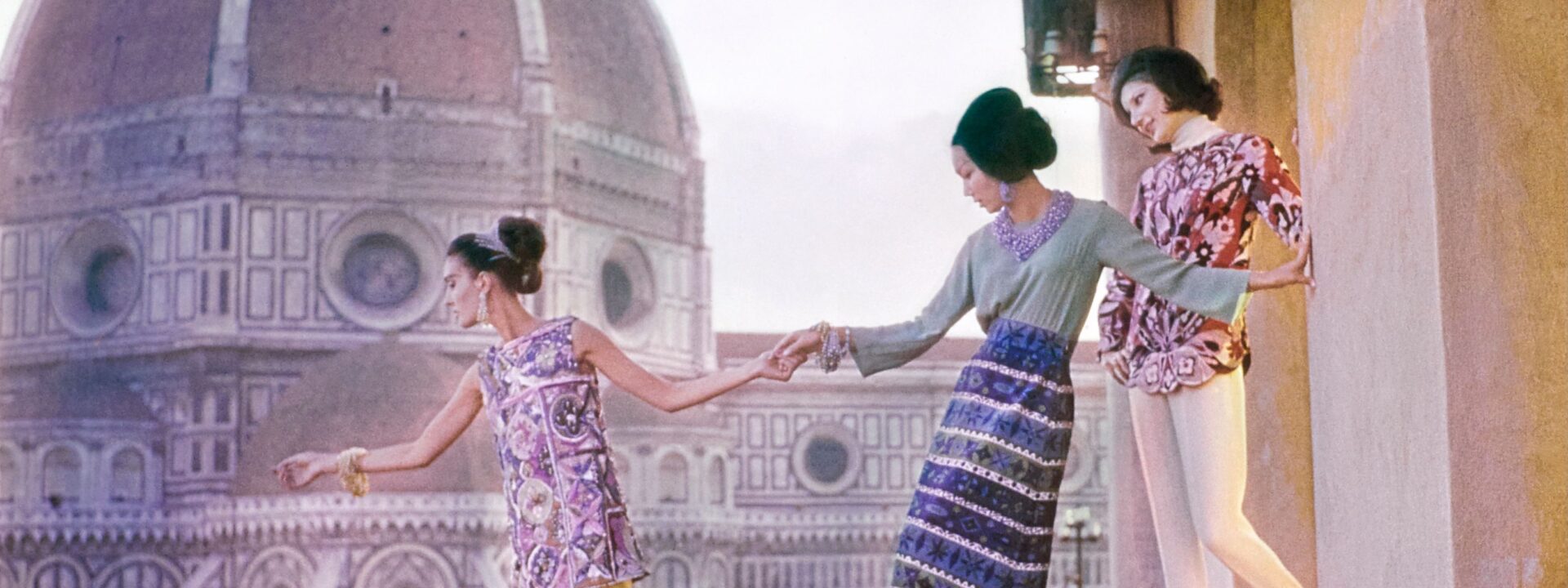
To the casual tourist, Florence might seem like a city frozen in time. Stroll through the historic center, where grand Renaissance palaces line the streets and Brunelleschi’s dome towers overhead, and you could easily think you’ve walked onto a film set. But Florence is very much alive and always evolving. Change may come slowly here, but it certainly happens.
When you visit Florence, keep in mind that this city has weathered countless highs and lows. It has endured plagues, wars, and floods. Founded as a Roman settlement, it faded during the Middle Ages, then blossomed again in the Renaissance. It even served briefly as the capital of the newly united Kingdom of Italy from 1865 to 1871. Over the centuries, it attracted writers, artists, and aristocrats on the Grand Tour, and today it draws endless streams of visitors—perhaps too many at times.
Crowds can feel overwhelming, and summer heat can be brutal. Yet Florence remains one of the most captivating cities not just in Italy, but across Europe. There’s truly no place like it. No matter how often you return, there’s always something new to discover. (I’ve visited many times, so you can take my word for it.) So, without further delay, here’s how to plan the perfect trip to Florence.
Where to Stay
Portrait Firenze
Photo: Martino Dini
Overlooking the Arno River and Ponte Vecchio, this hotel—part of the Leading Hotels of the World and owned by the Ferragamo family—has a chic, residential feel. The spacious rooms and suites feature marble bathrooms stocked with the brand’s Bianco di Carrara bath products, and are decorated with vintage photos and sketches by Salvatore Ferragamo. The on-site restaurant, Caffè dell’Oro, offers sidewalk seating with river views, a fantastic buffet breakfast, and upscale Italian dishes for lunch and dinner. A new spa is also in the works.
Hotel Lungarno
Photo: Courtesy of Hotel Lungarno
Just across the river from Portrait Firenze, Hotel Lungarno—also Ferragamo-owned—has a retro vibe, with navy and white interiors and an impressive art collection that includes sketches by Picasso and Miró. It feels like the kind of place Wes Anderson might choose to stay. Don’t miss sunset drinks on the riverside terrace at Picteau, while the Michelin-starred Borgo San Jacopo is ideal for a romantic dinner.
Collegio alla Querce, Auberge Collection
Photo: Courtesy of Auberge Resorts Collection
One of Florence’s most luxurious new hotels, Collegio alla Querce is set in a former boarding school in Le Cure, a residential area about 15 minutes from the historic center. A careful renovation has restored the building to its former splendor, filling it with elegant furnishings and 300 pieces of contemporary art. A cocktail bar in the old headmaster’s office, two restaurants (one with garden views, another under a shady pergola by the pool), and a serene spa make it feel more like an urban retreat than a typical city hotel.
Villa San Michele, a Belmond Hotel
Photo: François Halard
After an 18-month renovation, Villa San Michele has made a triumphant return in the rolling hills of Fiesole, about a 20-minute drive from central Florence. Rooms and suites have been tastefully updated with green Cipollino marble bathrooms, a new Guerlain spa has been added, and a partnership with Milan-based designer J.J. Martin of La DoubleJ has created a fresh energy chapel where guests can start the day with yoga or sound healing. Three restaurants serve everything from light salads and grilled seafood to refined fine dining. But the pool and expansive terraced gardens remain the standout features.
Helvetia & Bristol
Photo: Stefano Scatà
Originally opened in 1885 and a favorite among artists and writers on the Grand Tour, the Helvetia & Bristol was acquired by the Starhotels group and underwent a major renovation and expansion in 2021. Now part of the Leading Hotels of the World, it blends Old World charm with thoughtful modern updates. It also houses an outpost of the renowned Cibrèo restaurant.The beloved restaurant, founded in 1979 by Fabio Picchi, also features the largest spa in the city center, complete with Roman baths.
Hotel Savoy, a Rocco Forte Hotel
Photo: Mattia Aquila
If you want to stay right in the middle of the city, the Savoy is the perfect choice. Its doors open onto Piazza della Repubblica, where a Roman forum and later a lively market once stood. Built in 1893, it became one of the city’s most cherished grand hotels, frequented by aristocrats and wealthy travelers. When Rocco Forte took over in the early 2000s, the hotel was restored to its former splendor, with elegant suites decorated in prints and patterns, and a restaurant serving impeccable Mediterranean dishes by Fulvio Pierangelini. The recently renovated Bar Artemisia adds even more charm to the property.
W Florence
Photo: Courtesy of W Firenze
Marriott’s lively W brand recently opened in one of the city’s few modernist 20th-century buildings, just a short walk from Santa Maria Novella train station. Its colorful, playful design stands out from the city’s more classic hotels. The rooftop bar, Zefiro, is a popular spot for creative cocktails with views of the Duomo, while the restaurant, led by Korean-American chef Akira Back (who trained under Nobu), brings delicious Japanese fusion cuisine to a city known for pasta and steak.
Grand Hotel Minerva
Photo: Luca Rotondo
This four-star hotel is a stylish yet affordable option compared to the city’s pricey luxury stays. Located on Piazza Santa Maria Novella and run by Collezione Em, a family-owned brand with a few hotels in Florence, Venice, and Forte dei Marmi, it was redesigned by legendary mid-century architect Carlo Scarpa in the 1950s. The lobby, breakfast room, and rooftop pool will transport you back to that wonderful era.
Where to Eat and Drink
Photo: Getty Images
Alla Vecchia Bettola
At this rustic trattoria in Oltrarno, you might find yourself rubbing elbows with stylish locals—quite literally. The tables are packed tightly together, creating a lively, friendly atmosphere. As you might expect from the copper pots and black-and-white photos decorating the place, the menu sticks to traditional Tuscan cooking—even the house wine arrives at your table in a bottle held by a straw basket.
Il Santobevitore
A modern classic with a loyal following, this wine bar and restaurant may look traditional, but it serves updated versions of local dishes. Depending on the season, you might find caramelized onion tarte tatin, pasta with seafood and artichokes, or wild boar-stuffed ravioli with pecorino on the menu. There’s also an impressive wine list.
Cibrèo Caffè
The Cibrèo restaurant group runs a small empire of eateries in the lesser-known Sant’Ambrogio area (plus an outpost at the Helvetia & Bristol mentioned earlier). The caffè is the most casual of the bunch, with big red armchairs and vintage posters on the walls. Come for the design, stay for the tagliolini cacio e burro (fresh pasta with butter and cheese).
‘Ino
Skip the hour-long lines at Florence’s viral sandwich shop (you know the one) and head to this award-winning panino spot instead. Tucked away on a narrow side street just around the corner from the Uffizi, it serves huge, delicious sandwiches made with high-quality cheeses, cured meats, vegetables, and spreads.
Locale Firenze
For a more upscale dining experience, this restaurant and bar housed in a centuries-old palazzo is a local favorite. Glass ceilings give the bar area a bit of a greenhouse feel, while the dining room is more luxurious, with roomy semi-circular banquettes, oversized lamps, and contemporary art. Expect fresh, modern cuisine that blends local and international influences.
Gelateria Badiani
Originally opened in 1932, this historic gelateria invented the Buontalenti flavor during a competition in the 1960s. Visit their location near Piazza della Repubblica or inside the Mercato Centrale to try it, along with other classics like chocolate and pistachio.
Caffè Gilli
Florence’s oldest café dates back to 1733 and proudly flauntsIt keeps its historic charm, even after a recent update. Located on a corner of Piazza della Repubblica, it’s a familiar meeting spot for locals in Florence. You can sit on the terrace if you prefer, or stand at the counter like the regulars do for a quick espresso and a rice pudding pastry from the glass display case.
Procacci
This small wine bar first opened its doors in 1885, thanks to Leopoldo Procacci, and is now run by the noble Antinori family, one of Tuscany’s most influential winemaking families. Stop by to enjoy their excellent wines by the glass and snack on mini sandwiches filled with truffles and other top-quality ingredients.
What to Do
Galleria degli Uffizi
Florence’s most famous museum feels like an art history book brought to life. Inside its grand halls, you’ll find Botticelli’s Birth of Venus, Caravaggio’s Medusa, and Titian’s Venus of Urbino, along with works by Michelangelo, Raphael, Da Vinci, and many others. The building itself is a stunning example of Renaissance architecture, designed by Giorgio Vasari as offices for the Medici Grand Duke Cosimo I. To avoid the crowds, book the first or last entry time of the day.
Galleria dell’Accademia
Most visitors come to the Accademia to see Michelangelo’s towering statue of David—and it certainly leaves a big impression—but there’s much more to explore here. The museum also holds a rich collection of early Italian paintings, religious art, sculptures, and even musical instruments that once belonged to the grand dukes of Tuscany.
Palazzo Pitti and the Boboli Gardens
You could easily spend most of a day exploring Palazzo Pitti and the Boboli Gardens, which showcase the ideal Italian Renaissance garden. Although the palace still carries the name of Luca Pitti, the Florentine banker who built it in the mid-15th century, it’s best known as the court of the Medici family, who bought it in 1550 and turned it into a symbol of their power and prestige. Inside, you’ll find five separate museums. The ones worth prioritizing are the Palatine Gallery, which houses the Medici’s painting collection, the Royal Apartments, and the Museum of Costume and Fashion.
Palazzo Strozzi
This museum, located in a Renaissance palace in the heart of Florence, has been hosting one major exhibition after another. After a rare showcase of works by Renaissance master Beato Angelico, it presented “Rothko in Florence,” which looked at how 20th-century American artist Mark Rothko’s abstract paintings evolved and how his travels in Italy shaped his work. Check what’s on before you visit.
Ferragamo Museum
Shoe lovers should head straight to the Ferragamo Museum, located on the lower level of the building that houses the brand’s flagship store. Inside, archival photos, sketches, prototypes, and written stories trace the rise of Neapolitan shoemaker Salvatore Ferragamo to fame and fortune. You’ll leave with a fresh appreciation for the artistic talent of the man known as “the shoemaker to the stars.”
Emilio Pucci Heritage Hub
Tucked inside Palazzo Pucci, which is still home to Laudomia Pucci, the Emilio Pucci Heritage Hub preserves drawings, patterns, clothes, and furniture by the famous designer Emilio Pucci, who is admired for his modern shapes, bold colors, and abstract prints. It’s not usually open to the public, but you can arrange a visit by appointment for €250 per person (with a minimum spend of €1,000), or book private events like aperitivos or dinners.
La Scuola del Cuoio
Founded in 1950 to give WWII orphans a trade, the Leather School still trains leather craftspeople today. You can take a guided tour and buy the high-quality bags, belts, and other goods made there, or sign up for a workshop, with options ranging from half-day courses to weeklong private experiences.
Where to Shop
Profumoir
The art of perfume-making is still thriving in Florence at a few special spots. Founded by Daniele Cavalli (son of Roberto) with help from master perfumer Sileno Cheloni, Profumoir has both a shop and a laboratory where you can create your own fragrance with expert guidance.One of their perfumers.
Loretta Caponi
Since she opened her namesake shop in 1967, Florence’s elite and European high society have flocked to Loretta Caponi for beautifully embroidered nightgowns, children’s clothing, sheets, and tablecloths. Now run by her daughter and nephew, the store has grown to include elegant dresses, camisoles, and other daytime wear.
Il Bisonte
For high-quality Florentine leather, skip the stalls around San Lorenzo Market selling cheap Chinese imitations and head here instead. Il Bisonte (meaning “the bison”) has been crafting sustainable leather goods since 1970, using only natural vegetable tanning.
Bizzarri
This historic apothecary looks unchanged since it first opened in 1842. Antique wooden shelves are lined with glass jars filled with essential oils, tinctures, herbal remedies, and teas. Trouble sleeping? Looking for a natural fix for anxiety or another ailment? Stop by, and you’ll likely find what you need.
Alberto Cozzi Rilegatore
One of Florence’s last remaining bookbinders, this boutique—with a workshop in the back—is run by the fifth generation of the Cozzi family. While they specialize in restoring antique books, they also sell beautiful marbled paper, notebooks, stationery, and small leather goods. Paper marbling workshops are available too.
Carolina Bucci
At her namesake shop along the Lungarno, fourth-generation jeweler Carolina Bucci offers necklaces, earrings, rings, and bracelets that feel both classic and modern. Design your own piece with her colorful Forte Beads collection, or go with a timeless option like her links necklace.
Frequently Asked Questions
Here is a list of frequently asked questions about where to stay eat and play in Florence Italy organized by category for clarity
General Planning
1 What is the best time of year to visit Florence
The best times are April to June and September to October The weather is pleasant and the crowds are smaller than in the sweltering summer months
2 How many days do I need to see Florence
For a first visit plan for at least 3 full days This gives you time to see the main museums wander the streets and take a day trip if you want
3 Is Florence very expensive
It can be but it doesnt have to be You can save money by staying in a hostel or guesthouse eating at casual trattorias and taking advantage of free attractions like the Duomo exterior and the Boboli Gardens view from the Piazzale Michelangelo
4 Do I need to book tickets in advance
Yes absolutely You must book tickets in advance for the Uffizi Gallery and the Accademia Gallery You can often book weeks or even months ahead especially during peak season For most other sites you can book a few days ahead
Where to Stay
5 What is the best neighborhood to stay in for a firsttime visitor
The Duomo area is the most central and convenient but its busy Santa Croce is charming and slightly less crowded Oltrarno is the cool artisan district with great nightlife and is a fantastic choice if you want a more local feel
6 Is it better to stay north or south of the Arno River
For firsttimers who want to be right in the middle of the action the north side is best If you prefer a more authentic bohemian vibe with great bars and restaurants stay on the south side near Santo Spirito
7 What are the best areas to avoid staying in
The area immediately around the Santa Maria Novella train station can be a bit seedy at night Its generally safe but its not the most atmospheric place to stay Also the streets