Just over 250 years after Jane Austen was born, the sharp-witted 18th-century novelist still has a strong hold on popular culture. Earlier this year, the BBC’s The Other Bennet Sister—not a direct Austen adaptation, but based on Janice Hadlow’s book, which was inspired by Pride and Prejudice—became a word-of-mouth hit. And now, two more Regency-era stories are on the way: a new film version of Sense and Sensibility from acclaimed indie director Georgia Oakley, starring Daisy Edgar-Jones, and a Netflix-produced Pride and Prejudice series by Dolly Alderton, with Emma Corrin as Elizabeth Bennet.
[Read More: Here’s Your First Look at Daisy Edgar-Jones and the Cast of Sense and Sensibility by Marley Marius]
This raises the question: why? When filmmakers could create something fresh and original, why do they keep turning to these centuries-old stories? Well, the truth is, in a film and TV industry under growing financial pressure and generally cautious about taking risks on new ideas, a Jane Austen adaptation is still seen as a safe bet—familiar material that producers will greenlight without hesitation. So why haven’t audiences gotten tired of it? The answer, I think, is because they’re just so much fun.
While similar classics like Charlotte Brontë’s Jane Eyre and her sister Emily’s Wuthering Heights usually inspire more serious retellings (Emerald Fennell’s wild version aside), Austen’s work seems to exist in a soft, pastel-colored, pre-Victorian dream world. Her leading ladies didn’t have to work as governesses or wander the Yorkshire moors—they had (or married into) grand estates, relaxed in elegant parlors, went to country dances, and mainly worried about who they might or might not marry. If the darker, more brooding books from the mid-19th century had at least one foot in reality—in the everyday grind we still experience today—these novels deliberately did not. Lighter, fluffier, and funnier, with a sharp satirical edge and a talent for poking fun at polite society, Austen offered a brilliantly intelligent but unapologetically entertaining form of escape.
[Read More: The Most Evocative Period Dramas to Rewatch Now by Radhika Seth and Lisa Wong Macabasco]
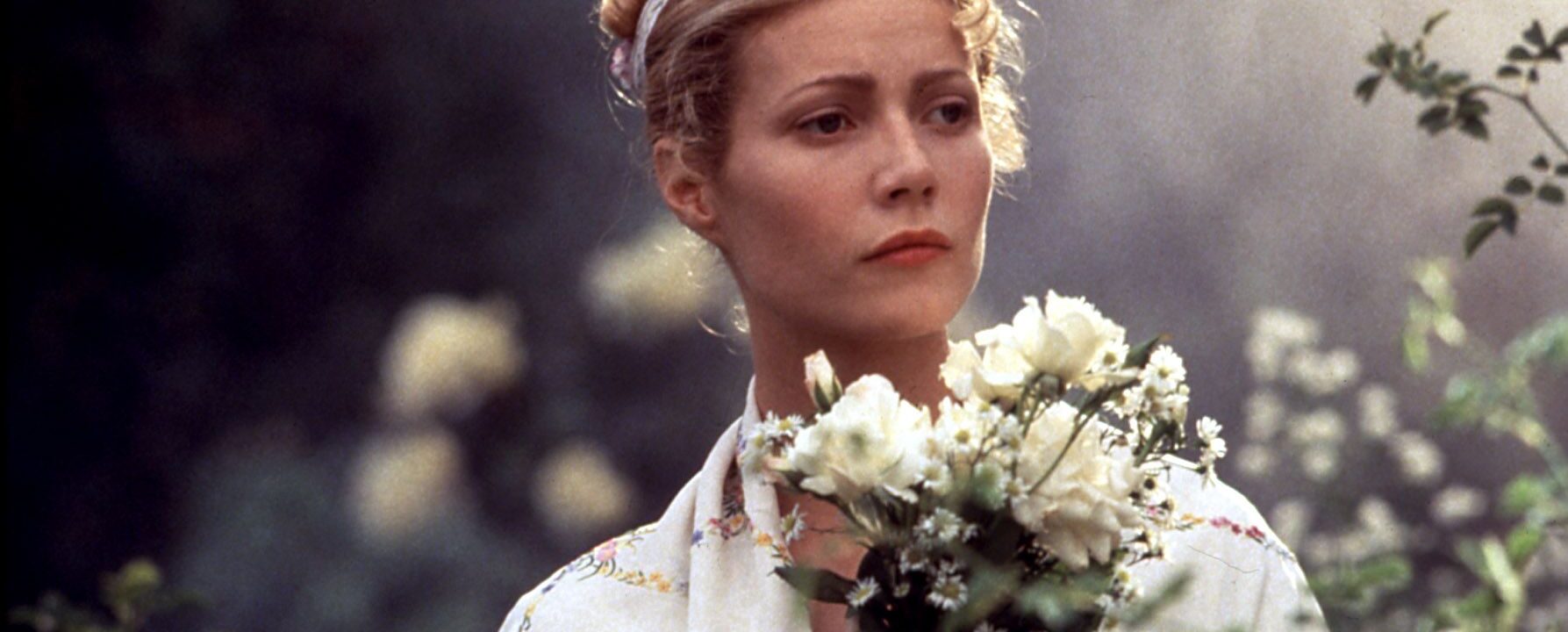
The best Austen adaptations fully embrace this carefree dreaminess: every single frame of Joe Wright’s 2005 Pride and Prejudice, starring Keira Knightley, is swoon-worthy, as are the playful liberties taken by the 1995 BBC version of the same novel. (Austen’s Mr. Darcy certainly didn’t take a dip in the lake, but I’m very glad Colin Firth did.) The same goes for Emma Thompson and Kate Winslet’s poetic, Ang Lee-directed 1995 Sense and Sensibility, and the picture-perfect 1996 Emma with Gwyneth Paltrow, directed by Douglas McGrath—all visually stunning and emotionally gripping, with gorgeous stately home sets and incredible costumes, though some of the ’90s adaptations still have a slightly quaint, old-fashioned feel in their wardrobes.
That’s not the case for more recent Austen takes: Whit Stillman’s 2016 Love & Friendship, based on Lady Susan and starring Kate Beckinsale and Chloë Sevigny, is richly dressed and blisteringly funny; Autumn de Wilde’s 2020 Emma, with Anya Taylor-Joy and an ice-cream color palette, feels made for the Instagram era; and Carrie Cracknell’s 2022 Persuasion has Dakota Johnson delivering quips to the camera with Fleabag-style confidence, wearing outfits that nod to Patti Smith and Debbie Harry. These quirkier, sharper, more modern reimaginings show that Austen adaptations can—and do—change with the times, their looks evolving while their crowd-pleasing heart stays largely the same.
[Read More: Here’s Your First Look at Emma Corrin’s Elizabeth and Jack Lowden’s Darcy in Netflix’s Pride & Prejudice by Radhika Seth]
The two upcoming additions to this tradition fall somewhere between these earlier waves of Austen adaptations.These new versions aren’t as carefully polished as the ones from the 2010s and 2020s, nor as traditional as the ’90s and early 2000s adaptations. Instead, they seem to embrace a fresh sense of looseness and naturalism, with a tangible connection to the pastoral setting. In the first teaser for Netflix’s Pride and Prejudice, Emma Corrin’s Lizzy sits on her roof watching the sunset, runs her hand through tall grass, splashes through puddles, and dances with Jack Lowden’s Darcy, coming tantalizingly close. Similarly, in the new Sense and Sensibility trailer, Esmé Creed-Miles’s Marianne Dashwood lies sprawled in a field, her hair wild and damp, her cotton dress partly undone.
They feel perfectly suited for the moment—intimate, relaxed, and crucially, led by women behind the camera. Yet they also deliver everything we’ve always wanted and will continue to want from Jane Austen adaptations: joyful portrayals of sisterhood, irresistible will-they-won’t-they romances, richly detailed world-building, and the promise of a happy ending. In a very uncertain world, that’s surely something precious.
Frequently Asked Questions
Here is a list of FAQs about the timeless appeal of Jane Austen adaptations written in a natural tone with clear answers
BeginnerLevel Questions
1 Why are people still making movies and TV shows based on Jane Austens books
Because her stories about love money and social status are still relatable Plus the mix of witty dialogue and strong characters gives filmmakers a lot to work with
2 What makes an Austen adaptation feel familiar
The familiar parts are the core story a smart heroine a misunderstood hero meddling relatives and a happy ending We know the basic beats which is comforting
3 What makes an adaptation feel fresh
Freshness comes from a new setting a diverse cast or a new take on a character
4 Ive never read the books Can I still enjoy the adaptations
Absolutely The movies and shows are designed to stand on their own Youll get the full story without needing to know the book
5 Whats the best Austen adaptation to start with
For a modern twist try Clueless For a classic feel the 1995 Pride and Prejudice miniseries with Colin Firth is a great starting point
IntermediateLevel Questions
6 Why does Clueless work so well as an adaptation even though its set in a 1990s high school
It perfectly captures the spirit of Emma Cher is just as wellmeaning meddlesome and clueless as Emma Woodhouse The core themes of social ranking and matchmaking translate flawlessly
7 Whats the biggest complaint people have about modern adaptations
That they lose the Austen voicethe sharp ironic narration Some fans feel modern versions focus too much on romance and not enough on the social satire
8 Why is Mr Darcy such a popular character across all adaptations
Hes the ultimate brooding hero with a hidden soft heart Every adaptation gets to decide how prickly or how vulnerable to make him which keeps the character interesting
9 How do adaptations handle the issue of historical accuracy
Most blend accuracy cost