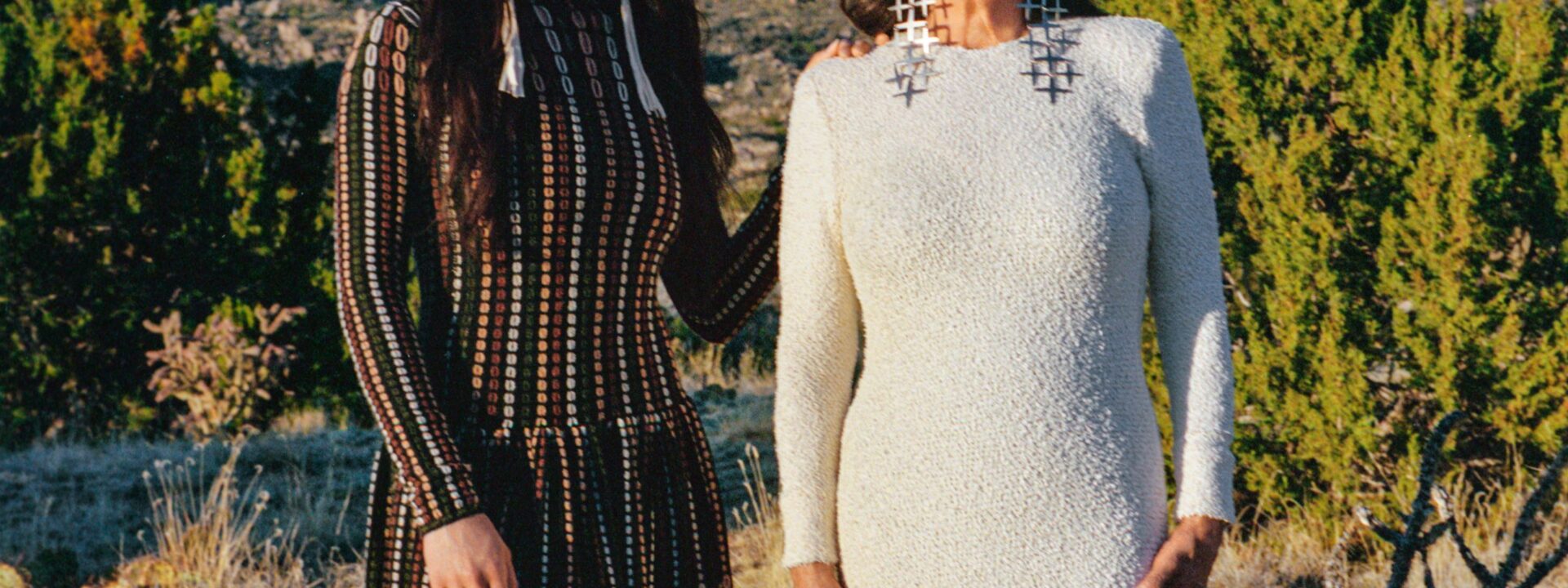
Every August, over a thousand Native American artists from more than 200 tribal nations come together at the Santa Fe Indian Market in New Mexico to sell their work. This weekend-long event also turns into a street style showcase, where community members wear their finest Native-made pieces—especially earrings, which have long been a powerful cultural symbol.
“Native people have always valued adornment, and in my community, people of all genders wear earrings,” says Keri Ataumbi, a Kiowa jeweler based in Santa Fe. She’s known for her striking earrings that blend traditional materials like feathers and porcupine hairs with precious elements such as diamonds or gemstones. “Adornment is a highly expressive way to share our beliefs and tell others about who we are.”
As the United States celebrates 250 years of independence this summer, showing off cultural pride through style feels especially fitting. Despite historic efforts to erase Native traditions—from 1883 to 1978, the Code of Indian Offenses banned certain Indigenous cultural and religious practices in the US—Native artists still use materials they’ve worked with for centuries, like porcupine quills, various beads, caribou hides, and sealskins.
“Native people have always kept our art alive during hard times, even when it was illegal,” says Joe Big Mountain, a Mohawk, Cree, and Comanche artist from Wisconsin’s Oneida Indian Reservation, known for his quillwork earrings. “As young people, we grow up learning these practices, and we pass them on. That’s what makes earrings so meaningful in the Native community.”
In Vogue’s summer 2026 issue, Deb Haaland—a member of New Mexico’s Laguna Pueblo tribe, former U.S. secretary of the interior, and now a candidate for governor of New Mexico—wears titanium star earrings by Pat Pruitt, a Laguna and Chiricahua Apache artist who has been a regular at the market for nearly twenty years. These earrings are more than just bold jewelry: Pruitt describes his designs as “markers of navigation, protection, and ancestral presence.”
Also full of meaning (and often seen at Indian Market) are the shoulder-length earrings made from layered dentalium shells by artist Jamie Okuma. She is Luiseño, Shoshone-Bannock, Wailaki, and Okinawan, and lives among California’s La Jolla Band of Mission Indians.
The long, tubular shells come from deep-sea mollusks and are paired with floral beadwork patterns—a tribute not only to her heritage but also to the beauty of the natural world. “There’s a natural connection you feel when you wear elements from nature on your body,” says Okuma. “It’s a traditional practice to keep moving forward.”
Frequently Asked Questions
Here is a list of FAQs about the deeper significance of earrings for Native artists written in a natural tone with clear concise answers
BeginnerLevel Questions
Q Why are earrings so special for Native artists Arent they just jewelry
A For many Native artists earrings are much more than decoration They can represent identity family history tribal affiliation and spiritual beliefs Each pair can tell a story or carry a prayer
Q What materials do Native artists traditionally use for earrings
A Common traditional materials include silver turquoise coral shell bone porcupine quills and natural seeds Modern artists also use glass beads brass and copper
Q I see a lot of earrings with a hogan or butterfly shape What does that mean
A The hogan shape is a common design It represents home family and protection The butterfly shape often symbolizes transformation and beauty These shapes connect the wearer to their culture
Q Do the colors in Native earrings have special meanings
A Yes often For example turquoise can represent the sky and water and is considered a protective stone Red coral might symbolize life blood or the earth Colors can also be tied to the four directions
Q Can I wear earrings made by a Native artist if Im not Native myself
A Yes its generally seen as a sign of respect and appreciation for the art and culture The key is to buy directly from the artist or a reputable source and to wear them with understanding and respect for their meaning not as a costume
AdvancedLevel Questions
Q How do earrings function as a form of identity marker for specific tribes or clans
A Specific designs patterns and materials are often unique to a tribe or even a family For example a certain beadwork pattern might only belong to the Crow or Lakota people This tells others who you are and where you come from without saying a word
Q What is the spiritual significance of the sound of earrings