For the past 20 years, big global brands and retailers have been releasing high-low collaborations, using the prestige of luxury names and fresh fashion newcomers to their advantage. These more affordable capsule collections have often been marketed as a way to make fashion more democratic, bringing products that were once out of reach to everyday shoppers. But a recent wave of collaborations goes a step further by partnering with brands known for their commitment to sustainability.
“It’s a credibility swap between the two sides,” says Shivam Gusain, a lifecycle analyst and founder of the consultancy Decypher. This comes with both risks and rewards.
For larger brands that find it hard to communicate their sustainability efforts in a believable way, teaming up with brands that have a strong ethical reputation is a smart move to show good intentions. However, it can also expose the gap between their main product lines and true sustainability. For the smaller partner, working with a more established brand offers a chance to grow their sustainability credentials using resources, expertise, and scale that are otherwise hard to achieve. But reactions to these recent collaborations have been mixed—some have faced criticism, while others have been praised. There’s a real reputational risk for sustainable brands when they align with the mass market, which could alienate their core customers.
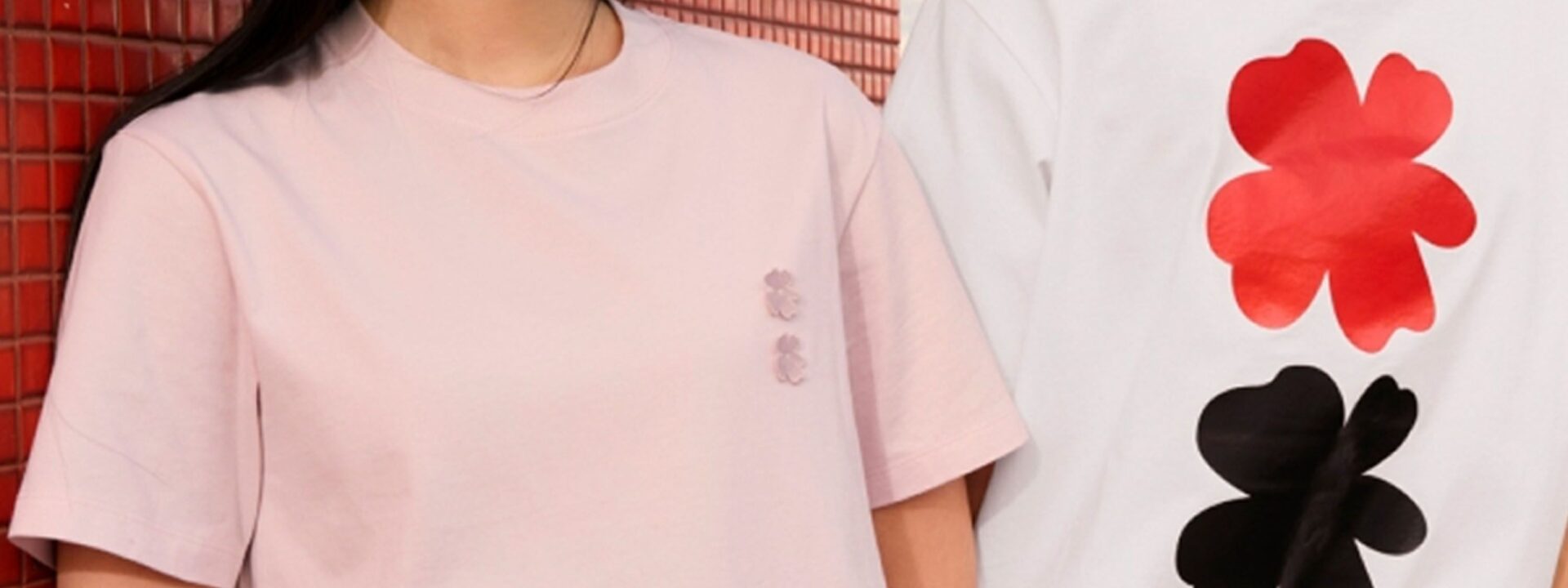
Danish designer Cecilie Bahnsen’s new collection with Uniqlo, launched today, makes her work more affordable: her independent brand’s pieces often cost over $1,300, while the Uniqlo collection ranges from $25 to $50. Some see this as a win for democratizing fashion, but others have called it a money grab. Meanwhile, H&M and Stella McCartney’s collection has received both excitement and accusations of greenwashing. (Uniqlo responded by saying the collaboration was “built on a shared commitment to craftsmanship and elevated design,” while H&M stated that the Stella McCartney collection “prioritizes certified, recycled, and innovative materials,” in line with its long-term sustainability strategy.) On the other hand, when British Nigerian designer Tolu Coker released a capsule collection with high-street brand Topshop in early March, it was warmly received by customers of both brands.
So, how can a brand built on craftsmanship, upcycling, responsible materials, or ethical manufacturing successfully partner with a mass-market brand without damaging its reputation?
Choosing the right fit
How well a collaboration is received by consumers starts with how much sense the two brands make together. A purely fashion-focused collaboration can get away with being completely unexpected (think Christopher Kane x Crocs, or Vetements x DHL Express), but when sustainability and ethics are involved, the brands need to share similar values for the partnership to feel genuine.
“We check the ethics of any potential collaborator,” says Saeed Al-Rubeyi, co-founder of London-based brand Story Mfg, which has worked with major brands like Reebok, Crocs, and Asics. The husband-and-wife-run brand follows a positive product manifesto, which includes keeping artisanal practices alive, never using animal products, making clothes that last, and being anti-racist. “We care about it, and our customers care about it. We try to address any ethical issues right away. It’s probably the number one reason a collaboration falls through.”
However, the kind of public information small brands can access doesn’t always give the full picture. It can take NGOs or regulators months of investigation to uncover problems in a brand’s supply chain. Without that level of insight, potential partners can be exposed to hidden risks that could quickly damage their hard-earned credibility by association. Gusain calls this “risk asymmetry.”When a smaller brand that’s built on sustainability makes a misstep, it can hurt its reputation more. Personal stories also matter here. Coker, a finalist for the LVMH Prize, said her first job was at Topshop when she was 16. So when she later teamed up with the brand for an 18-piece capsule collection, it felt “personal” — like coming full circle. But since she mostly makes clothes from recycled materials, she was careful to avoid criticism for working with a fast-fashion brand. “I believe the positive future of our industry lies in collaboration,” she said in a statement. “When brands like Topshop share their reach and resources with young designers who bring fresh ideas and rigor, that’s how we can really change how we design.”
Many designers say one big benefit of collaboration is tapping into a larger brand’s resources. “People think we’re bigger than we are. We’re actually very small. We’ve been small for a long time, and that limits what we can create,” says Mike Eckhaus, co-founder of the cult New York brand Eckhaus Latta. They’re releasing a capsule collection with Spanish retailer Mango in June. “Getting the chance to work with a brand that has so much infrastructure and resources to bring ideas to life is like being a kid in a candy store.”
An exercise in trust
To make the most of a mass-market partner’s resources and produce enough volume, independent brands often have to plug into their supply chain. This raises many questions, especially when that supply chain is complex and hard to track. In many cases, the smaller brand has to trust that its partner has proper safeguards in place.
Eckhaus Latta tried to stay true to its values in the Mango collaboration by bringing in its own suppliers, but that didn’t work at the scale needed. “Some things had to be dropped, so we ended up plugging into their system,” says Eckhaus. Even so, he points out that through Mango’s network, Eckhaus Latta got to work with craftspeople they wouldn’t normally have access to. For example, the bags from the collaboration are handwoven by Indian artisans using traditional methods.
When big brands are willing, they also have more resources to meet regulations, improve supply chain transparency, and invest in sustainability overall. Mango’s womenswear creative director, Justicia Ruano, points to the brand’s Crafting Responsible Fashion framework, which focuses on four areas: materials and innovation, circularity, decarbonization, and people. “We don’t fully understand every step from A to Z,” says Eckhaus, “but there’s been great conversation throughout the process — working with Mango’s design teams as we source materials and figure out how they handle where things are made.”
Story Mfg’s own suppliers are often very small family or community businesses that produce low volumes. They aren’t certified because the process is expensive and requires resources many artisan companies don’t have. “We use heirloom cottons that are good for the soil, good for the local area, and non-GMO, but they’d never get certified as organic. They don’t fit the system,” says Al-Rubeyi. Working with a bigger brand gives Story Mfg access to more expensive, certified materials that have minimum order quantities an independent brand usually can’t meet. This also lets them experiment with more recycled and technical materials that are normally out of reach, he explains.
A collaboration definitely boosts the smaller brand’s reach and gives it much more access to resources. But the power imbalance and the need to work within the larger brand’s system can be challenging.A larger supply chain makes it hard to drive change from within. “As a smaller brand, you really don’t have much power other than saying no, but that’s very difficult to do. I think being honest about your values without being confrontational is the best approach. We’ve had quite a few brands shower us with attention only to disappear when we restate our values,” says Al-Rubeyi.
According to Gusain, the real opportunity for change comes after the collaboration. If it’s successful, the brand might be encouraged to use similar materials or adopt a comparable sustainability story in its own collections. “If they do it and it works, it’s a clear market signal to keep moving in that direction,” he says.
Brand authenticity
While brands may have to hand over operational control, they want to stay firmly in charge of design and storytelling. With its gingham pattern, Story Mfg’s collaborative sneakers with Asics fit neatly into the brand’s homespun DIY style. And its co-founders always lead how the collaboration is marketed. The 2025 joint campaign featured the dyers, weavers, and makers the brand works with in Thailand as models. Similarly, Tolu Coker’s line for Topshop showcases the designer’s distinctive architectural tailoring, while longtime collaborators, including her brother, were involved in both the collection and the campaign.
For Eckhaus Latta, the collaboration with Mango was more of a give-and-take. The Mango team guided how many styles to produce; the design duo started the design process with silhouettes, patterns, materials, and mood boards; and Mango responded in turn. The resulting collection clearly belongs in the Eckhaus Latta world, says Eckhaus. “It’s full of exciting textures and silhouettes that feel very much like what our customer is drawn to. Nothing feels out of place to me—it’s something that speaks to our brand.” What sets it apart is the price, which Eckhaus says was handled by the Mango team, and the entry into the European market.
Ultimately, audiences have unspoken expectations for the brands they shop with, and it’s up to the brands to navigate these invisible boundaries. The key is being able to clearly explain why you entered that partnership at that moment, and the common thread is the desire to bring their sustainability message to a wider audience. “If you can’t make it accessible, there is no sustainability,” says Gusain.
Frequently Asked Questions
Here is a list of FAQs for sustainable brands considering partnerships with high street retailers
BeginnerLevel Questions
1 What exactly is a high street retailer
A high street retailer is a large mainstream store you find in shopping centres or town centres They focus on selling high volumes of products to a broad audience
2 Why would a sustainable brand want to partner with a big retailer
Its the fastest way to scale It gives your brand massive visibility access to customers who dont shop at niche ecostores and the credibility of being on a major shelf
3 Wont selling in a cheap fastfashion store hurt my sustainable image
It can if you arent careful But it can also be a powerful move if the retailer is making genuine efforts to improve The key is to be transparent about why you chose the partnership and ensure the deal doesnt force you to compromise your values
4 Whats the first thing I should do before approaching a retailer
Get your house in order You need proof of your sustainability claims a clear story and the ability to produce stock at scale A retailer will audit your supply chain
Advanced Strategic Questions
5 How do I negotiate a deal without being forced to lower my prices or quality
Focus on your value proposition Explain that your premium price is due to ethical sourcing not greed Ask for a test run in a few stores rather than a national launch Offer to do instore education for their staff so they can explain why your product costs more
6 What are the biggest red flags to look for in a potential retail partner
A big red flag is a retailer that wants to create a cheap copy of your product for their own private label Also watch out for vague sustainability goals without any thirdparty verification or a clear timeline
7 How do I handle the greenwashing risk if the retailer is known for unsustainable practices
Be proactive Make sure your contract includes a right to exit clause if the retailer is involved in a major environmental scandal Also use your own marketing to tell your story