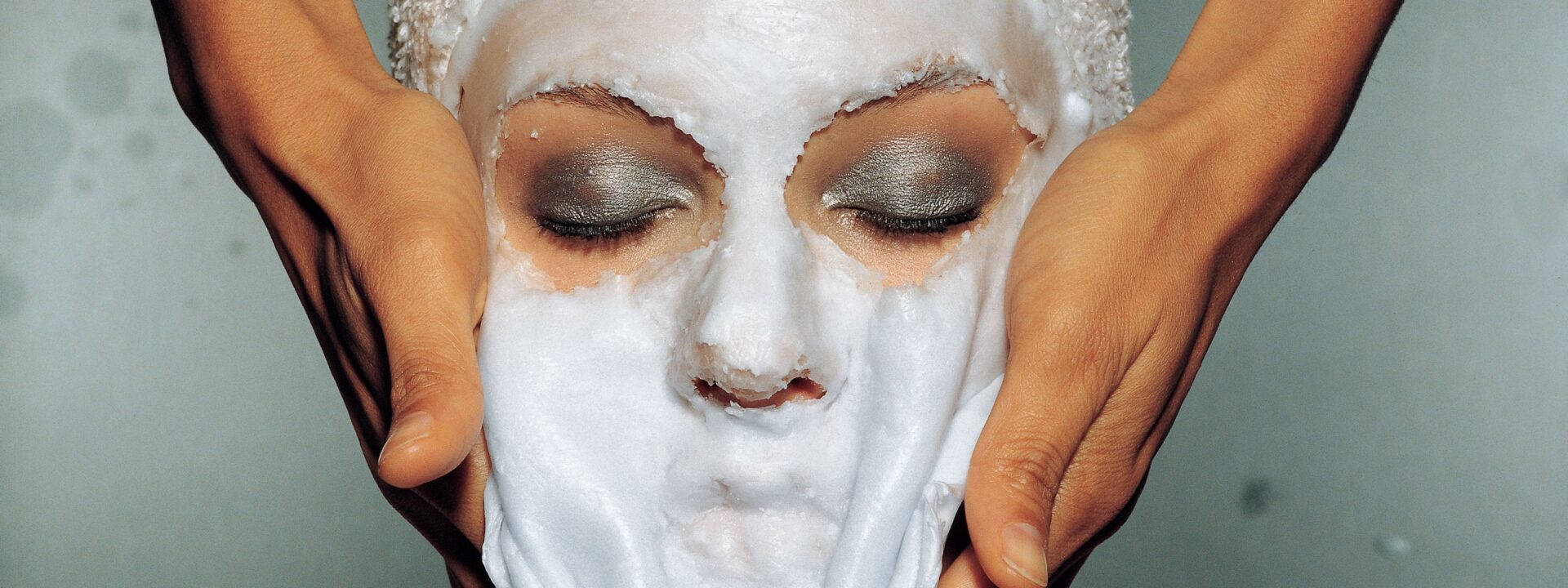
When the internet tells you to slather your face with a thick layer of zinc oxide, it’s hard not to wonder why. This heavy white cream has long been skincare’s last resort for everything from rashes and acne to sun protection. It’s never been glamorous, but it can work. In true TikTok style, the ingredient has now been rebranded as an overnight beauty ritual. Creators are applying opaque layers of the chalky paste, hoping to wake up with calmer, clearer, and supposedly glowier skin. But is it worth the hype? Here’s what the experts say.
As trichologist and medical practitioner Dr. Zeba Umar explains, zinc is a skin-friendly mineral known for its calming, healing, and anti-inflammatory properties. In skincare, it’s commonly used to control oil, reduce acne, soothe irritation, and support the skin barrier. “Traditionally, zinc oxide has been used in everything from diaper rash creams to sunscreens because it protects and calms the skin really well. That’s why it’s still a staple in dermatology and aesthetic skincare today,” she says.
Zinc PCA vs. zinc oxide
Oculoplastic surgeon Dr. Maryam Zamani says that zinc most often appears in skincare as zinc oxide or zinc PCA, each with different roles. “Zinc oxide is a mineral compound that forms a protective layer on the skin, reflecting UV rays and reducing damage from the environment. It’s long been used in dermatology for its calming, barrier-strengthening, and wound-healing properties,” she explains.
“Zinc PCA is more bioactive. It helps control sebum and balance microbes. Traditionally, zinc has been linked to repair, protection, and control, especially in irritated or reactive skin. It’s not a transformative ingredient in terms of looks, but it’s key for stabilizing skin function.”
Why zinc?
First, let’s look at the benefits. According to experts, zinc is one of the most underrated skincare ingredients—it does a lot without making a fuss. “Its benefits come from its ability to restore balance,” says Dr. Zamani. It’s anti-inflammatory, has antimicrobial properties, regulates oil production, and much more.
Zinc oxide also offers broad-spectrum physical sun protection, which is essential for protecting collagen. “In short, zinc doesn’t directly create radiance. It creates the conditions for healthy skin to work at its best,” she says.
The appeal of this “overnight” trend lies in its instant results. After just one use, skin can look calmer, less red, and more even—an immediate payoff that fits our fast-paced world. “I think the trend caught on because people are moving toward skin recovery instead of harsh skincare,” notes Dr. Umar. Still, she warns that “more isn’t better.” While a thin layer can help the skin barrier, using thick zinc creams every day might feel too heavy for some skin types and could even clog pores in oily skin.
For Dr. Zamani, skin doesn’t respond well to one-size-fits-all solutions. She believes zinc works best when used with a purpose, not as a nightly habit for everyone. “Beautiful, healthy skin isn’t about silencing everything overnight. It’s about supporting the skin so it works better over time,” she adds.
Potential side effects
The downside of using zinc cream like an overnight face mask is that the same thing that calms your skin can also cause problems underneath. “Using thick layers of zinc creams too often can clog pores, feel too heavy, or trigger breakouts, especially in oily or acne-prone skin,” says Dr. Umar. She notes that some formulas, especially those with added acids or fragrance, can also irritate sensitive skin. After all, these creams were originally meant as short-term fixes for inflamed skin, spots, or diaper rash.
Plus, repeated overnight use can trap heat, sweat, and dirt against your skin.Over time, this can lead to clogged pores and a rough texture. “What looks calmer on the surface isn’t always healthier at a cellular level,” explains Dr. Zamani. She warns that relying too much on zinc creams can interfere with the skin’s natural ability to regulate and repair itself.
When used correctly, zinc can be genuinely helpful for irritated, sensitive, or acne-prone skin—just apply a thin, targeted layer. Experts say it works best as a short-term treatment, not as an all-over nightly routine, especially for oily or acne-prone skin. People with dry, congestion-prone skin should avoid it, because thick layers left on overnight can quickly go from soothing to suffocating.
Safer alternatives
“The goal isn’t to do more—it’s to be precise,” advises Dr. Zamani. “Instead of following occlusive trends, I’d recommend formulas that work with your skin’s biology and use targeted solutions.” Ingredients like ceramides, cholesterol, and essential fatty acids help restore the skin barrier, calm inflammation, support healing, and strengthen the skin—without being too heavy or clogging.
Niacinamide can also reduce inflammation and boost resilience, while vitamin A (when introduced properly) remains the gold standard for long-term collagen health and cell renewal. Finally, azelaic acid can gently reduce redness and breakouts without disrupting the skin’s natural balance. “Compared to thick layers of zinc, these options are more balanced for daily use,” says Dr. Umar. “You still get soothing and recovery benefits, but with less risk of clogging or overwhelming the skin.”
Frequently Asked Questions
Here is a list of FAQs about the trend of applying zinc oxide to the face before bed written in a natural tone with clear simple answers
BeginnerLevel Questions
Q Why are people suddenly putting zinc oxide on their face at night
A Its a trend called zinc sleep mask or diaper cream facial People use it because zinc oxide is great at calming redness killing acnecausing bacteria and protecting the skin barrier while you sleep
Q Isnt zinc oxide just for sunscreen or baby diaper rash
A Yes its the same ingredient Its a gentle mineral that works as a physical barrier Because its nonirritating and antiinflammatory it works wonders for sensitive or acneprone skin not just babies bottoms
Q Can I use any diaper cream on my face
A Technically yes but look for a cream that lists zinc oxide as the main ingredient and has few other additives Avoid creams with fragrances essential oils or cod liver oil as those can clog pores or irritate your face
Q How do I apply it before bed
A Start with a clean face Apply a thin even layer of zinc oxide cream all over your face or just on problem spots It will look white and pasty Sleep with it on then wash it off in the morning with a gentle cleanser
Q Will it clog my pores
A For most people no Zinc oxide is noncomedogenic meaning it doesnt block pores In fact its often used to treat acne However if the cream contains heavy oils or butters it might feel greasy Stick to simple formulas
Intermediate Advanced Questions
Q How does zinc oxide actually help acne
A It works in three ways 1 Its a mild antiinflammatory so it calms red angry pimples 2 It has antibacterial properties that fight acne bacteria 3 It forms a protective seal that keeps moisture in and irritants out helping your skin heal faster
Q Is it safe to leave on all night
A Yes its very safe Zinc oxide is an inert mineral that sits on top of the skin and doesnt absorb into the bloodstream