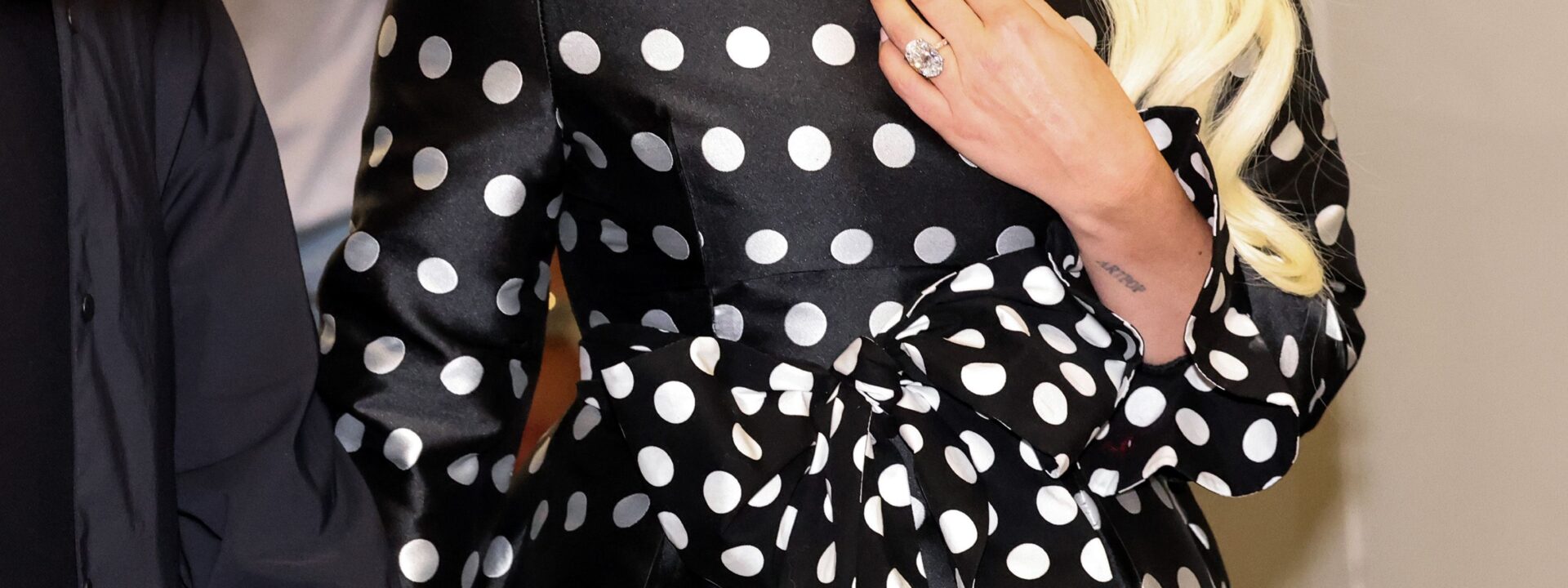
Oval engagement rings have earned their status as a modern classic. This versatile diamond cut—named for its elongated, rounded shape—offers a timeless beauty that can also feel strikingly contemporary. It’s no surprise that style icons like Lady Gaga, Phoebe Tonkin, Hailey Bieber, and Kourtney Kardashian have all chosen this shape. If you’re considering an oval diamond for an engagement ring, understanding its unique qualities is key.
Here, we explore everything you need to know about oval engagement rings, from evaluating the diamond itself to choosing the perfect setting.
What Is an Oval Diamond?
An oval diamond is a fancy-shaped stone known for its rounded edges and flattering, elongated silhouette. Like a round brilliant cut, it features a brilliant faceting style that maximizes sparkle and light reflection. However, its longer length-to-width ratio allows it to appear larger on the finger.
What Makes Oval Cuts Special?
“An oval has all the sparkle of a classic round diamond, but with a little more attitude,” says Jenny Chung Seeger, founder of Eliette and No.3 Fine Jewelry. “They have a softer, more directional silhouette that elongates the hand in a really flattering way. The shape has a sense of movement—it feels both romantic and modern.”
While elongated diamond shapes have existed for centuries, the modern oval cut was refined in the late 1950s by master cutter Lazare Kaplan. He engineered a brilliant faceting pattern that gave the oval its signature sparkle, creating a cut that blends historic craftsmanship with mid-century innovation.
Oval cuts are also popular in colored gemstones for a less traditional look. A famous example is Princess Diana’s oval sapphire ring, now worn by Kate Middleton.
How to Evaluate Oval Cuts Using the 4Cs
When shopping for a diamond, the GIA’s 4Cs—cut, color, clarity, and carat—determine its quality and price. For ovals, visual balance and symmetry are crucial. “GIA doesn’t provide a cut grade for fancy shapes, so it’s all about looking for even sparkle,” explains Chung Seeger.
To get the best value for your budget, she offers this advice: “Color can be slightly more noticeable in elongated shapes, so I suggest going just a step higher than you might with a square shape. Clarity tends to be forgiving, and the carat weight often feels amplified because the shape has such generous surface area. If I had to choose, I’d prioritize carat weight over clarity.”
How to Choose a Style and Setting
The setting defines the ring’s overall style. “Ovals are incredibly versatile,” notes Chung Seeger. “A minimal solitaire feels fresh and modern, while sculptural settings can highlight the stone’s movement.”
Your personal taste will guide the choice. An oval can be set vertically on a simple band for a clean, classic look, or flanked by side stones for added width and brilliance. Other popular options include encircling the center stone with a halo of diamonds or securing it within a sleek bezel setting of gold or platinum.Oval diamonds set horizontally are also popular for a modern look.
Other Tips and Considerations
Not every oval diamond is the same, so it helps to know your preferences before shopping. For a traditional oval shape, the GIA recommends an ideal length-to-width ratio between 1.4 and 1.5. A lower ratio will make the diamond appear rounder. “The length-to-width ratio shapes the diamond’s personality,” explains Chung Seeger. “More elongated ovals feel dramatic, while slightly fuller proportions look softer and more classic.”
You should also consider how to minimize the bow-tie effect in an oval diamond for an engagement ring. This effect occurs when light reflection is partially blocked, creating a dark, bow-tie-shaped area across the center. While it can’t be fully avoided, a well-cut stone will reduce it. Chung Seeger advises clients to observe how the stone moves in the light. “The right oval has a kind of quiet brilliance you notice immediately,” she says.
Deciding between a lab-grown or natural oval engagement ring? From a cutting standpoint, both can be crafted beautifully. The difference lies in availability and intention. “Lab-grown diamonds allow cutters to experiment more freely with proportions because the rough material is more predictable, so you’ll often see a wider range of shapes and larger sizes,” says Chung Seeger. “Natural diamonds, however, are shaped according to the original crystal to account for inclusions and minimize waste. There’s less control over specific qualities compared to lab-grown.” She adds, “For most clients, the choice comes down to personal values—whether they prioritize rarity and geological history or design flexibility and size.”
Our Favorite Oval Engagement Ring
When considering celebrity oval engagement rings for inspiration, Serena Williams’s 14-carat ring from her husband, Alexis Ohanian, immediately comes to mind. Designed by XIV Karats, it features a large oval center stone flanked by two trapezoid side stones. For her New Orleans wedding, she added a curved band with three pear-shaped stones for extra glamour. While the ring’s carat weight and budget are above average, this stunning stone is perfect for the tennis legend.
Frequently Asked Questions
FAQs Oval Engagement Rings
Basics Definition
What is an oval cut diamond
An oval cut is a modified brilliant cut with an elongated elliptical shape It combines the sparkle of a round brilliant with a unique elongated silhouette
Why are oval engagement rings so popular
They offer a classic yet distinctive look Their elongated shape creates the illusion of longer slimmer fingers and they often appear larger for their carat weight compared to round diamonds
Is an oval cut a fancy shape
Yes any diamond shape other than round is classified as a fancy shape and the oval is one of the most popular fancy cuts
Benefits Considerations
What are the main advantages of an oval diamond
Key advantages include excellent brilliance a flattering elongated shape and often a better pricepercarat than a round brilliant of similar quality
Do oval diamonds have any common problems to watch for
Yes the main one is the bowtie effecta dark bowtieshaped shadow across the center of the stone if its cut poorly A wellcut oval should minimize or eliminate this
Do oval diamonds look bigger than round ones
Generally yes Because they are spread out over more surface area a 1carat oval can look larger in size than a 1carat round diamond
Choosing Buying Tips
What should I look for in a wellcut oval diamond
Look for a symmetrical pleasing shape with no prominent bowtie Check the lengthtowidth ratio and ensure the sparkle is even across the entire stone
What is a good lengthtowidth ratio for an oval
This is personal preference A ratio of 135140 is more rounded while 145150 is more elongated View different ratios in person to see what you prefer
What setting works best for an oval ring
Popular settings include solitaires halos and threestone settings Prongs are common to secure the elongated shape A bezel setting can also protect its edges
Are oval diamonds more fragile
They are durable for daily wear However like any elongated shape