Words and Images by Tirtha Rabin Lawati
Tirtha Rabin Lawati
Leo Bidhan, one of the boys I was documenting for The Boys of the Blue City, invited me to the Sakela event at his school, United Gurkha Academy. After meeting the principal and getting a pass, we walked around to explore the classrooms, hallways, and school grounds.
Tirtha Rabin Lawati
When I took out my camera, the kids looked curious. Soon, I was surrounded, and before long, a line formed—everyone wanted their portrait taken.
Tirtha Rabin Lawati
Tirtha Rabin Lawati
It was easy to joke around with the bhais and bahinis. They weren’t shy at all, cheering excitedly or trying to catch my attention to signal it was their turn.
Arrow
Arrow
Sakela is usually expressed through dance, music, group rituals, and by worshipping nature. It is one of the biggest festivals for the Kirat Rai community.
Tirtha Rabin Lawati
In Dharan, it highlights the city’s diversity by bringing people from different castes together in harmony to celebrate this important festival through friendship, participation, and shared experiences.
Tirtha Rabin Lawati
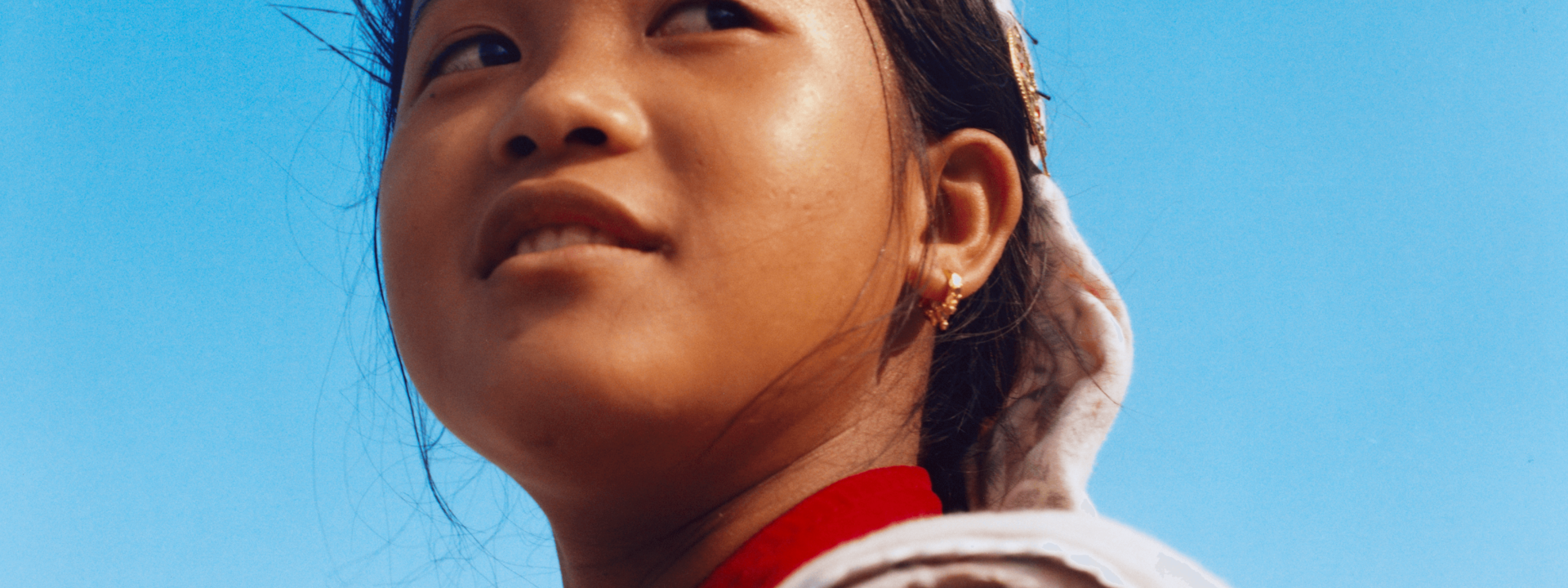
As a Kirati Limbu, it was fascinating to see the young students genuinely express their culture and traditions through their clothes and jewelry. I wanted to capture their pride—from their confidence in full traditional attire to their enthusiastic involvement in the event.
Tirtha Rabin Lawati
The series Sakela at United Gurkha Academy is a project about cultural inheritance. It looks at how traditions aren’t just kept alive by performing ceremonies but are lived, learned, and passed on to future generations through everyday exposure from childhood.
About the artist
Tirtha Rabin Lawati is a British-Nepali photographer and filmmaker based in the UK. Working mainly with analogue photography, his practice explores youth culture, diasporic identity, and changing landscapes. Known for his intimate, documentary-style approach, Lawati’s work is rooted in nostalgic storytelling, tracing stories from his hometown in East Nepal to the evolving realities of diasporic family life in Britain.
Frequently Asked Questions
Here is a list of FAQs based on the provided description of growing up with Sakela The questions are designed to feel natural ranging from basic curiosity to deeper cultural understanding
BeginnerLevel Questions
Q What exactly is Sakela
A Its a traditional festival and dance of the Kirat community in Nepal especially the Rai and Limbu people Its a way to honor nature ancestors and the harvest
Q Why do you say its like a second language
A Because you dont learn it from a book You learn it by watching your elders feeling the rhythm and moving your body Its a way of communicating with your community and your history without using words
Q Is Sakela just a dance or is it something more
A Its much more than a dance Its a prayer a social gathering a historical record and a celebration of life all rolled into one The dance steps often mimic daily life activities like planting rice or hunting
Q Do you have to be a certain religion to participate
A It is tied to the Kirat religion which is natureworshipping However the festival is so central to the culture that people from many backgrounds join in the celebration out of respect and community spirit
AdvancedLevel Questions
Q How does growing up with Sakela change your sense of identity
A It gives you a deep visceral anchor You dont just know you are Kirat you feel it in your body The rhythm becomes part of your muscle memory so you feel a sense of belonging and responsibility to your ancestors that goes beyond just intellectual knowledge
Q What are the quiet weights of tradition you mentioned
A The quiet weight is the unspoken pressure to uphold the culture Its the knowledge that you are a keeper of this flame It can be a heavy burden especially if you live far from the homeland because you feel you must learn it perfectly to pass it on to the next generation
Q Is Sakela a static tradition or does it change